








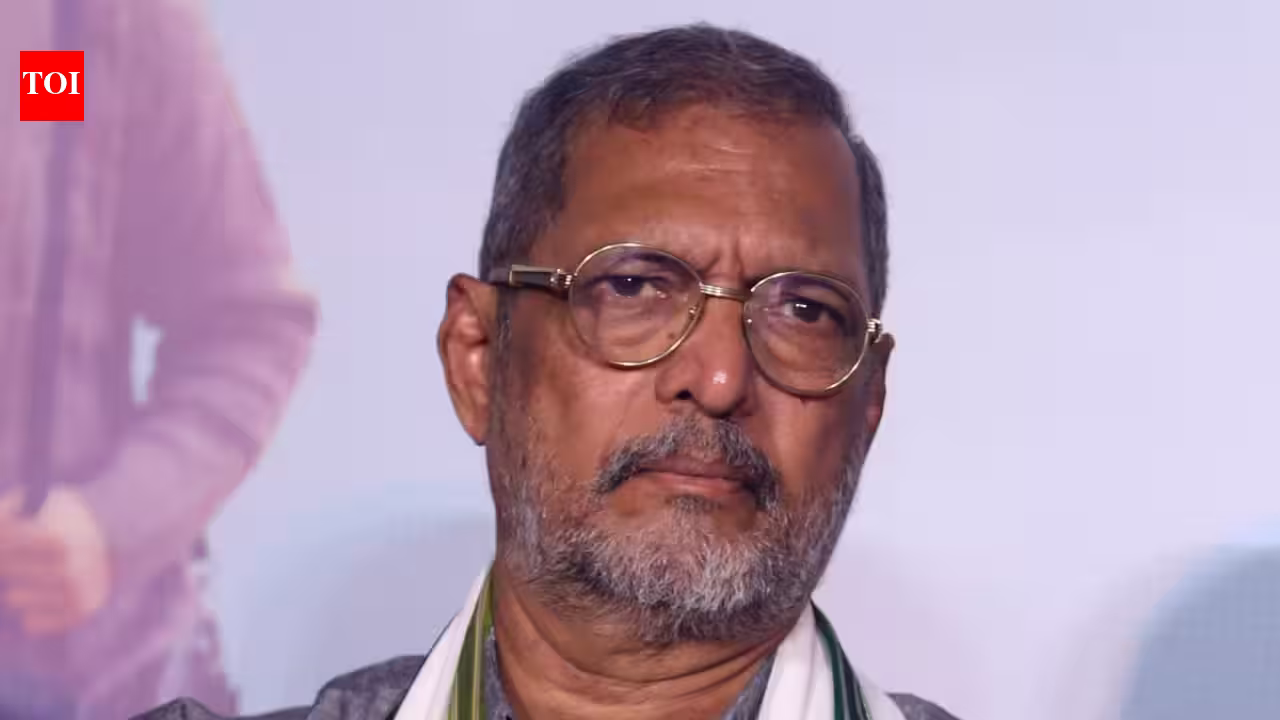
The Indian film industry is reeling from the sudden and shocking loss of one of its most enigmatic icons, Nana Patekar. The veteran actor, celebrated for his intense screen presence, distinctive dialogue delivery, and immense versatility, passed away early Thursday morning in Goa. While the initial reports point toward a cardiac event, the administrative and legal proceedings surrounding his death have drawn significant public attention, as the Goa Police have formally registered an “Unnatural Death” (UD) case to ensure a thorough investigation into the circumstances of his passing.
A Sudden Silence in Dona Paula
According to official updates, the 73-year-old actor was rushed to Manipal Hospital in Bambolim, Goa, after a medical emergency at his residence in Ocean Park, Dona Paula. Despite the best efforts of the medical staff, who reportedly administered CPR for approximately 45 minutes in a desperate bid to revive him, Patekar was declared dead at 5:20 a.m.
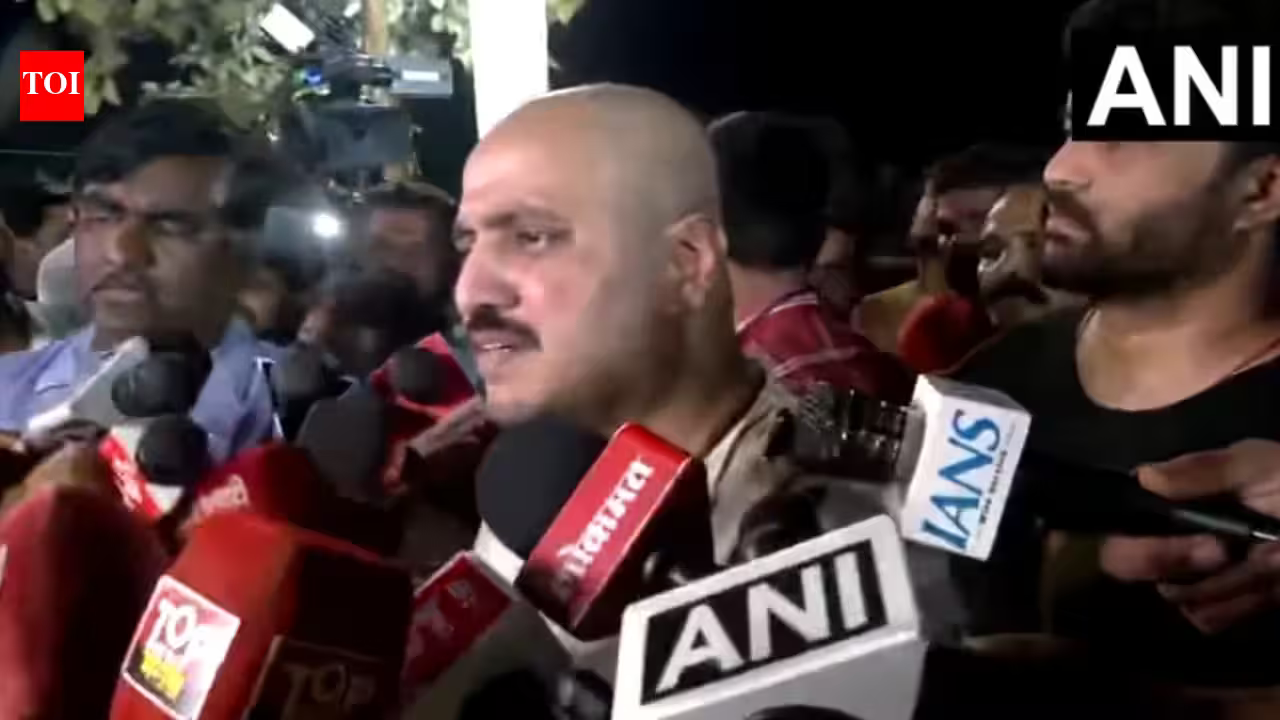
Dr. Shekhar Salkar, Chief of the Oncology Department at Manipal Hospital, provided a somber briefing to the media shortly after, confirming the tragedy. “We tried here to our maximum, but he was brought dead,” Dr. Salkar stated. He further noted that while the actor had a known history of cardiac issues and was actively managing his health with medication, the immediate cause required further clinical verification. Given the nature of his arrival at the hospital, medical protocol necessitated the registration of a police case, standardizing the transition from a clinical crisis to a legal inquiry.
The Legal Process: Why an ‘Unnatural Death’ Case?
In the immediate aftermath of the announcement, the Goa Police initiated an inquiry under Section 194 of the Bharatiya Nagarik Suraksha Sanhita (BNSS). PSI Nitin Naik has been tasked with overseeing the proceedings. While the term “Unnatural Death” might sound alarming to the general public, legal experts clarify that it is a procedural necessity under Indian law whenever a person dies outside of a controlled, long-term medical environment or without a clear, documented medical cause signed off by a physician at the moment of expiration.
The inquiry serves as a safeguard. The police have been tasked with conducting a formal inquest, which involves recording statements from family members and those present at his Goa residence. The primary objective is to rule out any foul play or extraneous circumstances. If the post-mortem examination and witness statements confirm that the death was indeed due to the suspected cardiac arrest, the file will be closed as a natural passing. However, the rigor of this process ensures that no stone is left unturned, honoring the stature of the man by treating the investigation with absolute transparency.
Remembering a Cinematic Force of Nature
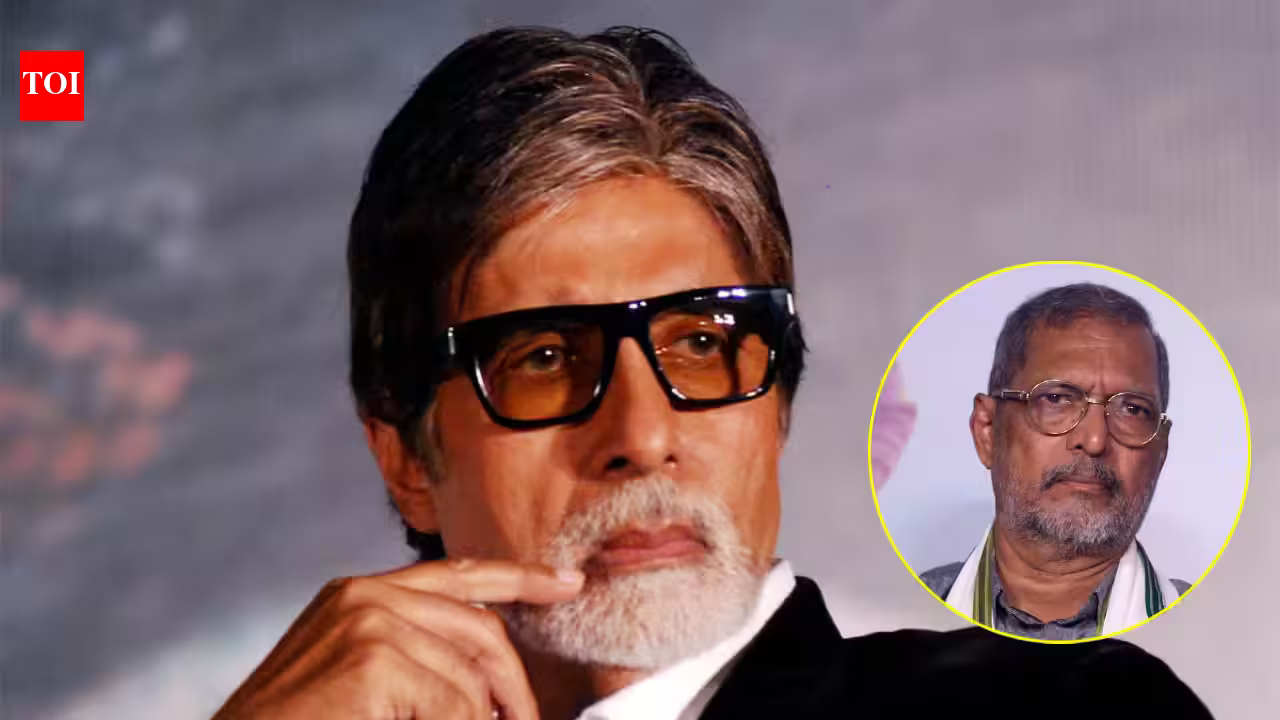
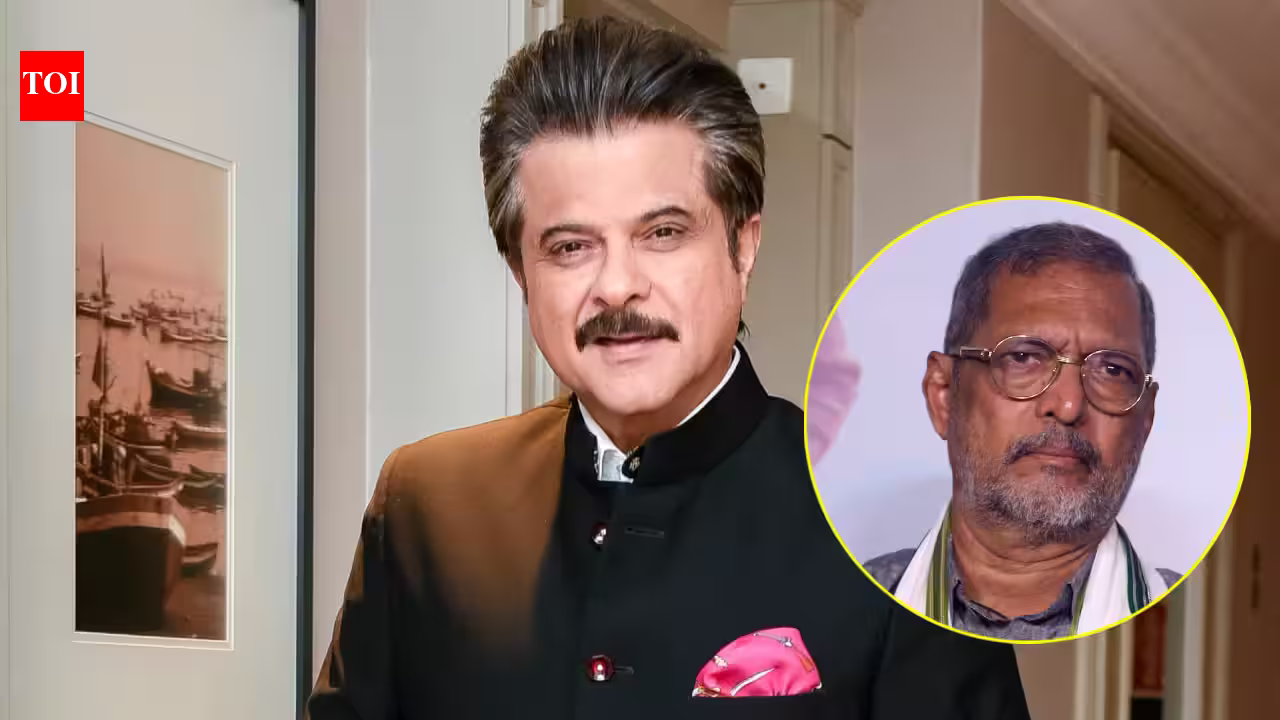
Nana Patekar was not merely an actor; he was an institution. Known for his jagged intensity and a rare ability to ground even the most melodramatic scripts with a sense of raw, dangerous realism, he redefined what it meant to be a protagonist in Indian cinema. From his breakout performance in Parinda to the haunting complexity of Khamoshi: The Musical and the visceral impact of Ab Tak Chhappan, Patekar possessed a magnetism that few could replicate.
He was a man of contradictions—often reclusive and fiercely private, yet deeply engaged in social activism, particularly through his foundation dedicated to aiding farmers suffering in the drought-stricken regions of Maharashtra. His colleagues have long spoken of his discipline, his improvisational brilliance, and his insistence on perfect diction. Even in his later years, he remained a formidable force, choosing roles that challenged him rather than resting on the laurels of his decades-long career. The industry has lost a performer who viewed acting as a craft to be honed, rather than a commodity to be traded.
The Final Journey: A State Farewell
Following the completion of the mandatory post-mortem at the Goa Medical College (GMC), the process for the final rites was expedited to allow the family their space to grieve. By Thursday night, the actor’s mortal remains were transported to his farmhouse in Donje, near Pune—a place he famously cherished for its tranquility and connection to the soil.
In recognition of his monumental contributions to the arts and his public service, the state government arranged for his cremation to be conducted with full state honors. A 3-gun salute echoed through the night air in Donje as the actor was laid to rest, a final, somber tribute to a man who spent his life commanding the attention of millions.
A Legacy Beyond the Screen
As the investigation into his passing concludes, the focus of the nation shifts from the clinical details of his death to the vast archive of his work. Fans across the country have been sharing clips of his most iconic monologues, remembering a man who could make a scene vibrate with nothing more than a whisper or a sharp glance.
While the police investigation into the “unnatural” circumstances of his passing is a matter of administrative duty, the memory of Nana Patekar remains untarnished by the suddenness of his departure. He leaves behind a void in Indian cinema that is unlikely to be filled. His career, marked by three National Film Awards and a devotion to both the screen and the farmers of his homeland, serves as a testament to a life lived with unwavering intensity. Whether or not the inquiry provides further clarity, the legacy of the man who breathed life into so many complex characters is already etched into the cultural history of the nation. For now, the screen has gone dark, but the echoes of his performances remain, ensuring that the “angry man” of Indian cinema will not be forgotten.
Disclaimer: This content is auto-generated for informational purposes only.
Source: Read Original News