








Supreme Court Upholds Hanging as Method of Execution, Rejects "Less Painful" Alternatives
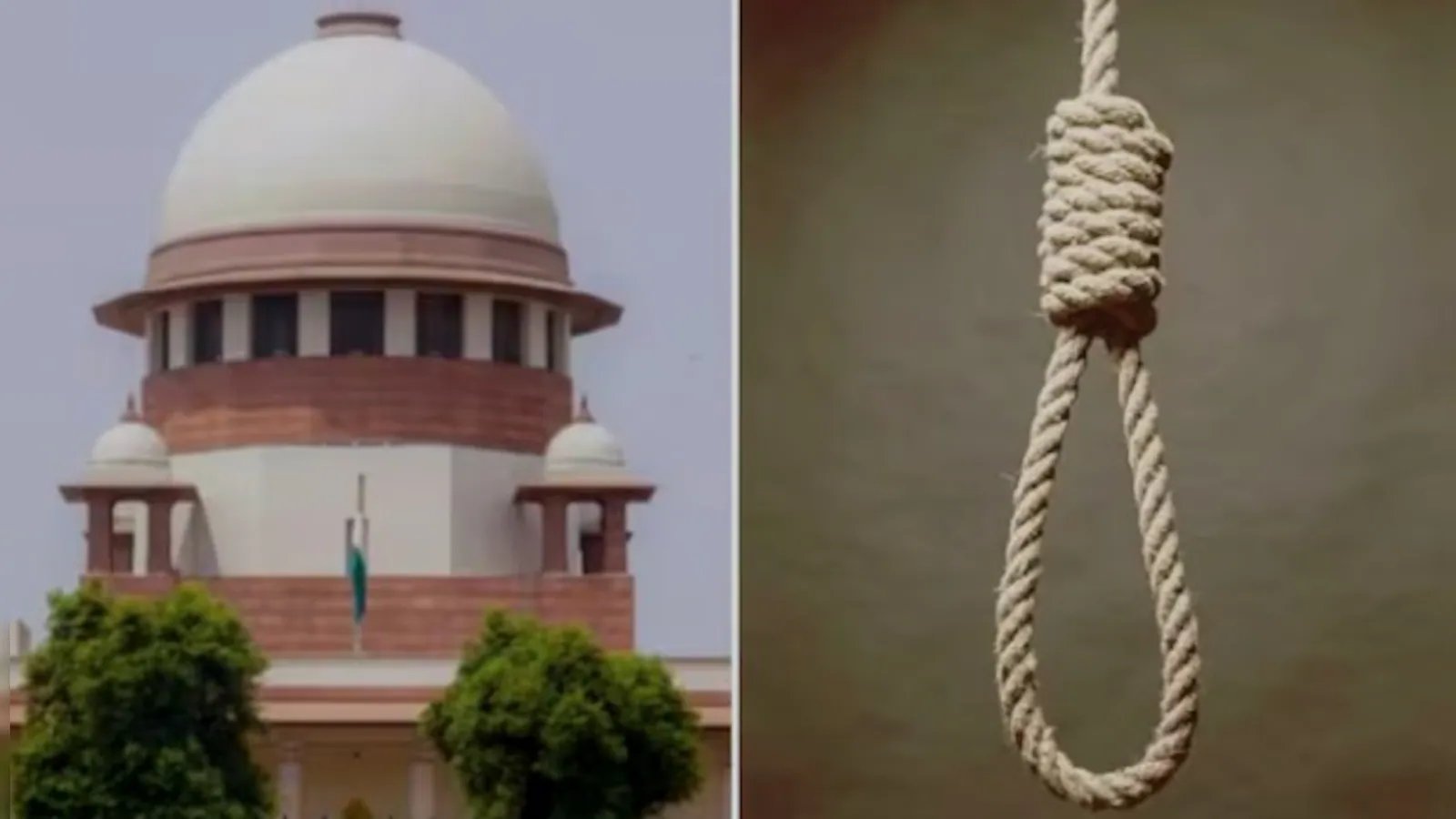
New Delhi, India – In a significant ruling, the Supreme Court of India has reaffirmed death by hanging as the constitutional method of capital punishment, rejecting a petition that sought to replace it with "less painful" alternatives such as lethal injection. The decision, delivered by a bench of Justices Vikram Nath and Sandeep Mehta, maintains the long-standing practice while leaving the door open for future re-evaluation based on compelling scientific evidence.
The court dismissed a petition filed by lawyer Rishi Malhotra, which argued for the adoption of methods like lethal injection, shooting, electrocution, or gas chambers, contending they inflict less pain and uphold the convict’s dignity. Malhotra’s petition characterized hanging as "extremely painful, inhuman, and cruel," asserting that it takes approximately 40 minutes for death to be declared after hanging, in stark contrast to the estimated five minutes for methods like shooting or lethal injection.
The petitioner had also urged the court to declare death by hanging under Section 354(5) of the CrPC as unconstitutional and to recognize the right to a dignified death as a fundamental right under Article 21 of the Constitution. Additionally, Malhotra cited a United Nations resolution advocating for the least possible suffering where the death penalty is imposed.
Crucially, the Supreme Court also declined to refer three earlier judgments on the issue to a larger bench, stating there was no sufficient basis to do so. This effectively solidifies the legal precedent supporting hanging as the primary method of execution.
Despite its ruling, the court clarified that its judgment is not the "final word" on the subject. It indicated that future constitutional scrutiny could be initiated if "compelling scientific, medical, or empirical evidence" emerges that materially displaces the factual and scientific basis of previous decisions. The court further suggested that the Central Government, if it wishes, could form an expert committee to comprehensively review alternative methods of carrying out the death penalty.
This suggestion echoes earlier discussions where Attorney General R Venkataramani, representing the Central Government, had informed the court about the formation of a committee to consider the matter. However, the Supreme Court had previously expressed displeasure at the government’s apparent reluctance to change the existing practice.
During a hearing on October 15, 2025 (sic, likely a typo for 2023 or 2024 given the context), the court had observed that the government did not seem willing to "evolve with time." There was even a suggestion to offer convicts an option between hanging and lethal injection, but the Centre deemed this "not practically feasible" in its affidavit. Senior counsel Sonia Mathur, representing the Centre, argued that the matter pertained to a policy decision, prompting an oral remark from the bench: "The problem is that the government is not willing to change… This is a very old procedure and things have changed with time."
The Supreme Court had reserved its verdict on the matter on January 22, leading to this latest pronouncement. While the immediate future sees no change in the method of execution, the court’s nuanced ruling leaves open the possibility of future legislative or judicial intervention if new scientific understanding challenges the current paradigm.