








India’s Export Strategy: Diversification Efforts Amidst Persistent US Dominance
New Delhi, India – Despite a year marked by punitive tariffs imposed by former US President Donald Trump and a proactive push by New Delhi to diversify its global trade footprint, India’s share of exports to the United States has remained remarkably stable, hovering around 20%. This resilience underscores the enduring strength of the US market as a primary destination for Indian goods, even as the nation strategically seeks new avenues for trade.
An analysis of trade ministry data for the 12 months ending July reveals that while the US at one point levied tariffs as high as 50% on Indian goods – later reduced to 18% in February and currently standing at 10% – the overall proportion of Indian exports reaching American shores has not significantly shifted. In fact, official data indicates a slight increase, with the US share growing from 17.4% in 2022-23 to nearly 20% currently.
This steadfast reliance on the US comes despite concerted efforts by Prime Minister Narendra Modi’s government to expedite free trade negotiations with other major global markets. In the past year alone, India has inked a trade deal with the United Kingdom, which came into effect in July, and secured agreements with the European Union, Oman, and New Zealand.
"The industry has become extremely cautious of the fact that they have to diversify as a strategy to de-risk," stated Ajay Sahai, director general of the Federation of Indian Export Organizations. He added, "And from that perspective, I think it’s a very good lesson the US tariff war taught us." Sahai acknowledged, however, that it would likely take two to three years for these diversification efforts to yield "meaningful results," reiterating that the US remains "the most attractive market."
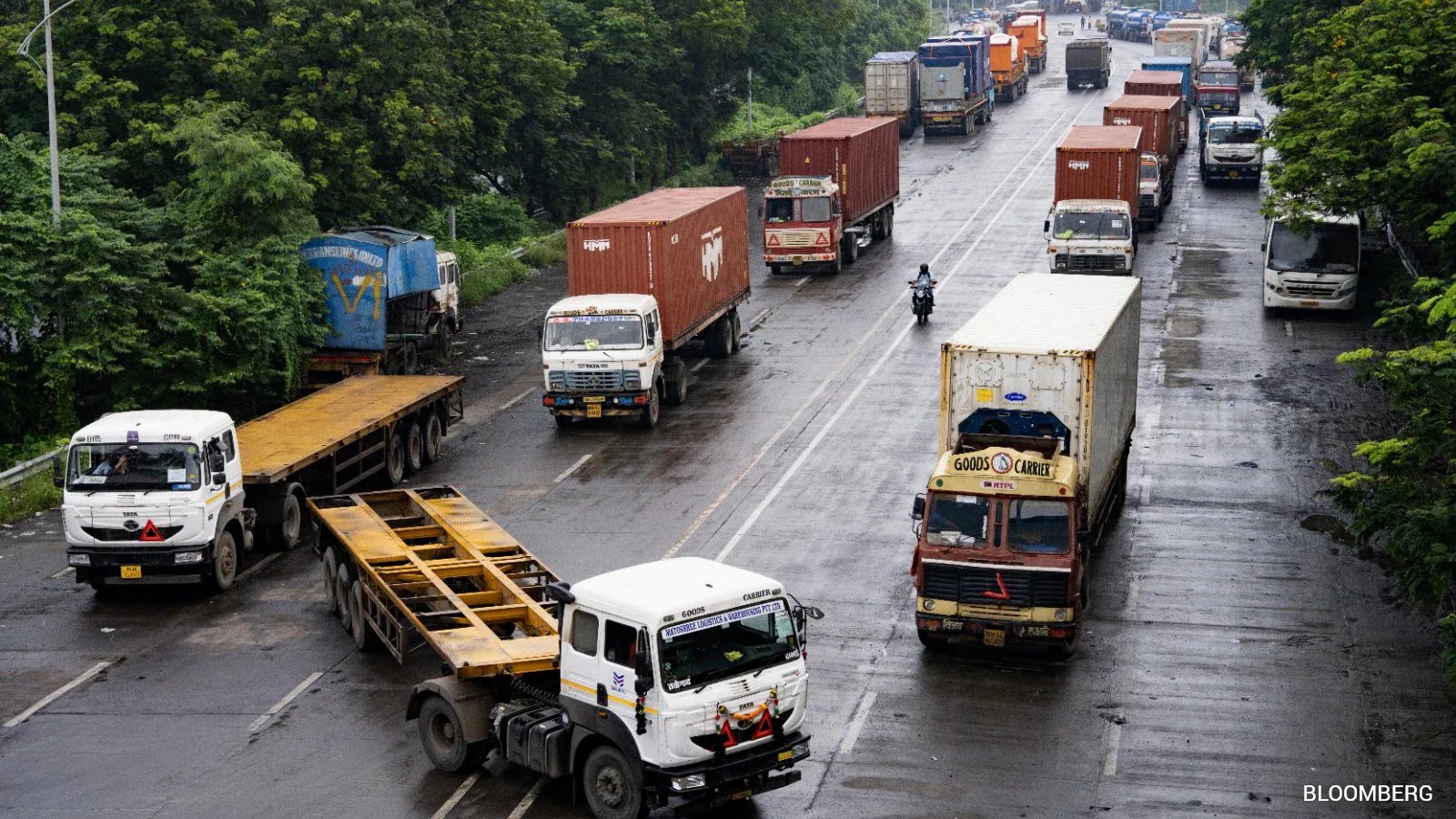
The sheer scale and diverse appetite of the US market for a broad range of Indian goods, particularly electronics, engineering goods, pharmaceuticals, gems and jewelry, and textiles, make it uniquely important. Despite months of high-level discussions, a comprehensive trade deal between the two countries has yet to be finalized.
In response to this global trade uncertainty and the strategic imperative to broaden its export base, Indian officials are actively working to expand the number of markets where its exporters can compete on favorable terms. This includes not only seeking new trade agreements but also broadening the range of goods sold overseas, with approximately 500 new product lines added, primarily in electronics, engineering, and marine products.
Commerce Secretary Rajesh Agrawal, in a recent interview with Bloomberg News, elaborated on the government’s strategy: "The focus is on engaging with economies that collectively account for over two-thirds of global GDP." He emphasized that Free Trade Agreements (FTAs) serve as "institutional anchors for trusted economic partnerships" in an environment of shifting trade patterns, aiming to reduce reliance on any single market and strengthen trade ties.
Recent initiatives underscore this proactive approach. Earlier this month, India signed terms of reference with the Southern African Customs Union to accelerate trade negotiations, with aspirations to extend this network across Latin America, the Middle East, and Africa.
Evidence of the potential payoff from existing trade agreements is already emerging. Australia has become one of India’s faster-growing markets, and the UAE emerged as India’s second-biggest export destination in the 12 months through July. Both countries signed trade agreements with India in 2022. Several smaller destinations, though starting from a smaller base compared to the US market, are also showing rapid growth, including Tanzania, Vietnam, South Korea, Sri Lanka, and Kenya.
Notably, exports to China have also seen a significant acceleration, surging 42% in the 12 months through July, according to Bloomberg calculations based on official figures. India shipped goods worth $21.5 billion to the Asian giant during this period, though this remains dwarfed by the $88.5 billion in exports to the US.
Pritam Banerjee, a trade analyst and former head of the think tank Centre for WTO Studies, suggests that free trade pacts could be a catalyst for shifting manufacturing away from China. However, he cautioned that India’s window of opportunity is narrow. Deeper integration with Group of 20 nations, which represent 85% of global GDP, alongside countries in Latin America, the Middle East, and Africa, would be crucial for India in this strategic shift.
India’s export landscape is clearly in a period of transition, grappling with the need to diversify its trade partners while acknowledging the undeniable pull of established markets like the US. The coming years will be critical in determining the effectiveness of these strategic pivots and India’s ability to forge a more resilient and globally integrated trade future.