








Wiltshire Council is pushing for enhanced protections and clearer guidance regarding the safety of the county’s rivers, following growing public concern over health risks for swimmers.
The initiative, which gained momentum in July when councillors passed a motion calling for improved monitoring across the Avon catchment, seeks to address the gap between public recreational use of rivers and official water quality oversight. Cllr Ian Thorn, leader of the council, has advocated for a policy shift, arguing that Wiltshire’s rivers “should by default be safe places to swim or bathe, not by exception.”
In a formal response received on October 9, the Government clarified its current stance on river management. It stated that while any location can apply to be officially designated as “bathing water,” such applications are subject to rigorous statutory assessments. Once a site is granted this status, the Environment Agency conducts regular water quality testing throughout the designated season—from May 15 to September 30—and publishes the results for public transparency.
However, the response from Whitehall highlighted a significant distinction in how the UK manages its waterways. “Rivers and other open water bodies that are not designated as bathing waters are managed primarily to protect fish and wildlife, rather than human health,” the Government noted. For non-designated sites, the Environment Agency focuses on ecological indicators, such as the health of plant and insect communities, rather than testing for pathogens that could pose risks to human bathers.
The issue has sparked intense debate, particularly regarding the role of water treatment infrastructure in maintaining river health. Addressing concerns raised by local councillors, the Government confirmed that inspections were carried out at the Ratfyn and Amesbury Water Recycling Centres in August. While investigators identified “several minor issues” and ordered Wessex Water to implement corrective measures, the Government noted that ultraviolet treatment, which councillors specifically requested as a way to mitigate contamination, is not a requirement under the current permits for these facilities.
Looking toward the future, the Government pointed to ongoing collaborative efforts with Wessex Water. Plans are in place to install continuous water-quality monitoring at treatment works in Amesbury, Pewsey, Ratfyn, and Downton by 2030.
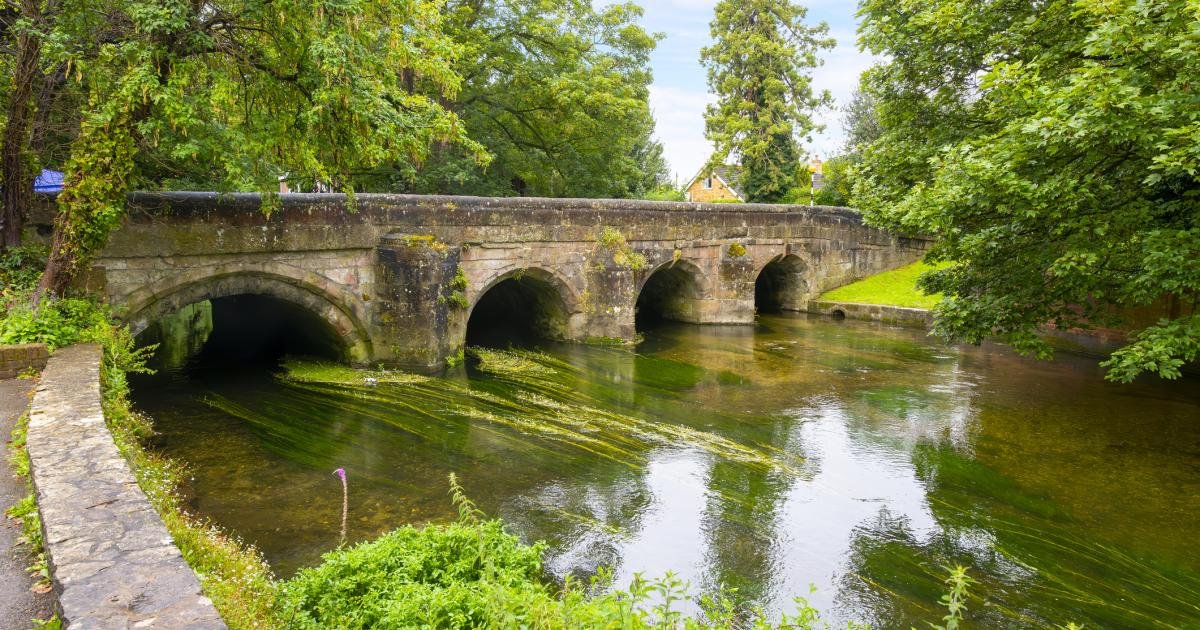
In the interim, more intensive monitoring is already underway as part of a broader investigation into the impact of sewage assets on the Hampshire Avon. This river, which originates at Upavon and travels through Amesbury and Salisbury, is currently the subject of testing for E. coli and intestinal enterococci. This data collection is intended to gauge the impact of discharge on existing designated bathing waters further south, near the Wiltshire border in Fordingbridge and Salisbury.
The ongoing developments and the contents of the Government’s response are expected to be discussed in detail when the Full Council convenes on October 20. For now, the divide between ecological protection and human health standards remains a central point of contention for local officials seeking to protect residents who use the county’s waterways for recreation.
Disclaimer: This content is auto-generated for informational purposes only.
Source: Read Original News