








MOGADISHU — The Third Disaster Resilience Congress (SDRC 2026) commenced in Mogadishu this Monday, marking a pivotal moment in Somalia’s ongoing battle against a cycle of climate-induced catastrophes. The two-day forum, organized by the Somali Disaster Management Agency (SoDMA) in partnership with Mogadishu University, has brought together government officials, academics, and international experts under the banner: “Moving from Recurring Disasters to Sustainable Resilience: A Path to a Better Future and Durable Recovery for Somalia.”
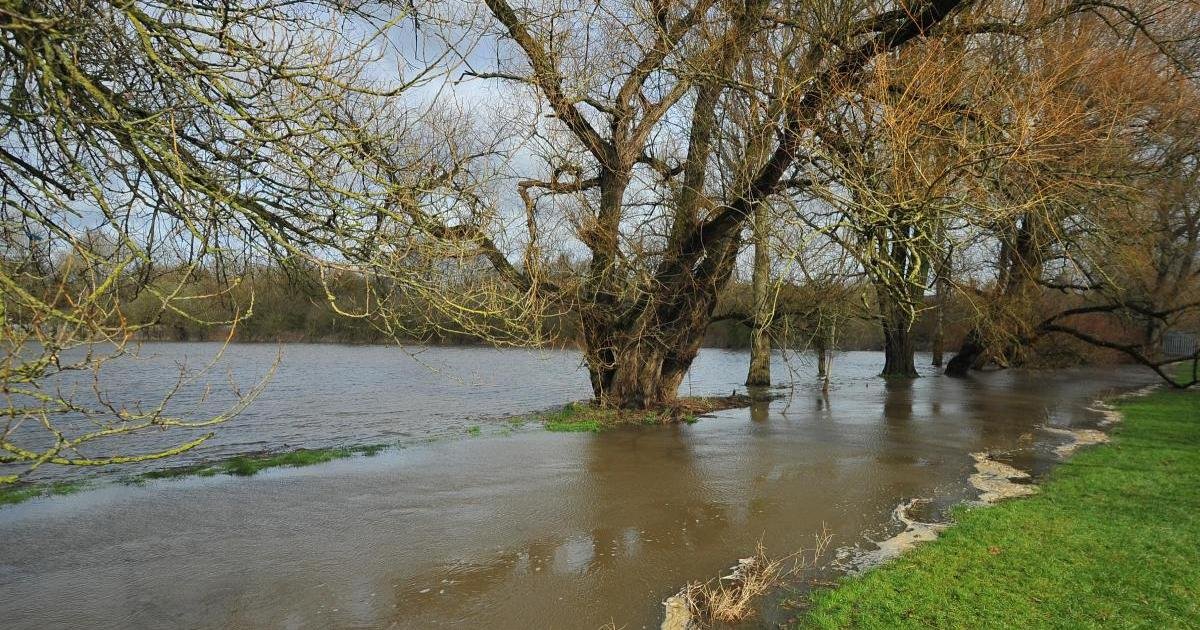
The urgency of the congress is underscored by the current environmental outlook. As the country enters the Deyr season, it faces the looming threat of Super El Niño conditions, which meteorologists warn could trigger severe riverine and flash flooding. Recent assessments by the Food and Agriculture Organization’s Somalia Water and Land Information Management (FAOSWALIM) project have identified 388 flood-prone sites along the Shabelle River, with 150 locations already reporting water breaching its banks. Estimates suggest that 2.5 to 3.5 million people in 29 districts across 14 regions are potentially exposed to these risks.
Major General Bashir Mohamed Jama, the Minister of Environment and Climate Change, opened the sessions by emphasizing that traditional reactive crisis management is no longer sufficient. He called for a shift toward science-led solutions, noting that climate change has become the primary driver of Somalia’s instability. “Genuine scientific research is the essential path to development,” Minister Jama stated, urging attendees to move beyond broad discussions to produce practical, actionable recommendations.
SoDMA Director Mohamud Moallim Abdulle echoed this sentiment, highlighting that Somalia’s history of humanitarian crises can only be broken through systematic planning and collective action. “We must move from the culture of reacting to emergencies to one of anticipating and preventing them,” Abdulle said.
The partnership with Mogadishu University signals a strategic attempt to integrate academic rigor into government policy. Dr. Ibrahim Mohamed Mursal, President of the university, noted that research is critical for mapping risks and designing infrastructure that can withstand the extreme weather patterns now plaguing the Horn of Africa. The university has pledged to deepen its collaboration with both the public and private sectors to bolster national resilience.
The congress occurs against the backdrop of significant recent policy movements, including the government’s approval of a National El Niño Preparedness Plan and a new two-year cooperation agreement between SoDMA and the World Food Programme (WFP). These initiatives aim to strengthen early warning systems, a crucial component for communities living along the fragile Shabelle River.
Despite these efforts, the shadow of previous failures looms large. While the congress theme—”sustainable resilience”—is widely viewed as the correct approach, experts note a persistent disconnect between policy dialogue and operational reality. Infrastructure such as river embankments, which have suffered from nearly four decades of neglect, remains in a state of disrepair. Furthermore, urban centers like Mogadishu face mounting drainage challenges exacerbated by unregulated construction, and national humanitarian funding remains at a decade-long low.
As the congress concludes, the real test for SoDMA and its partners will not be the caliber of the research presented, but the speed with which these findings are translated into concrete infrastructure improvements and community-level protections. For a nation weary of recurring displacement and famine, the outcome of this forum is not merely an academic exercise, but a necessary step in securing a future that is no longer held hostage by the next rainy season.
Disclaimer: This content is auto-generated for informational purposes only.
Source: Read Original News