








Protests Erupt Across India Over Alleged Systematic Voter Purge
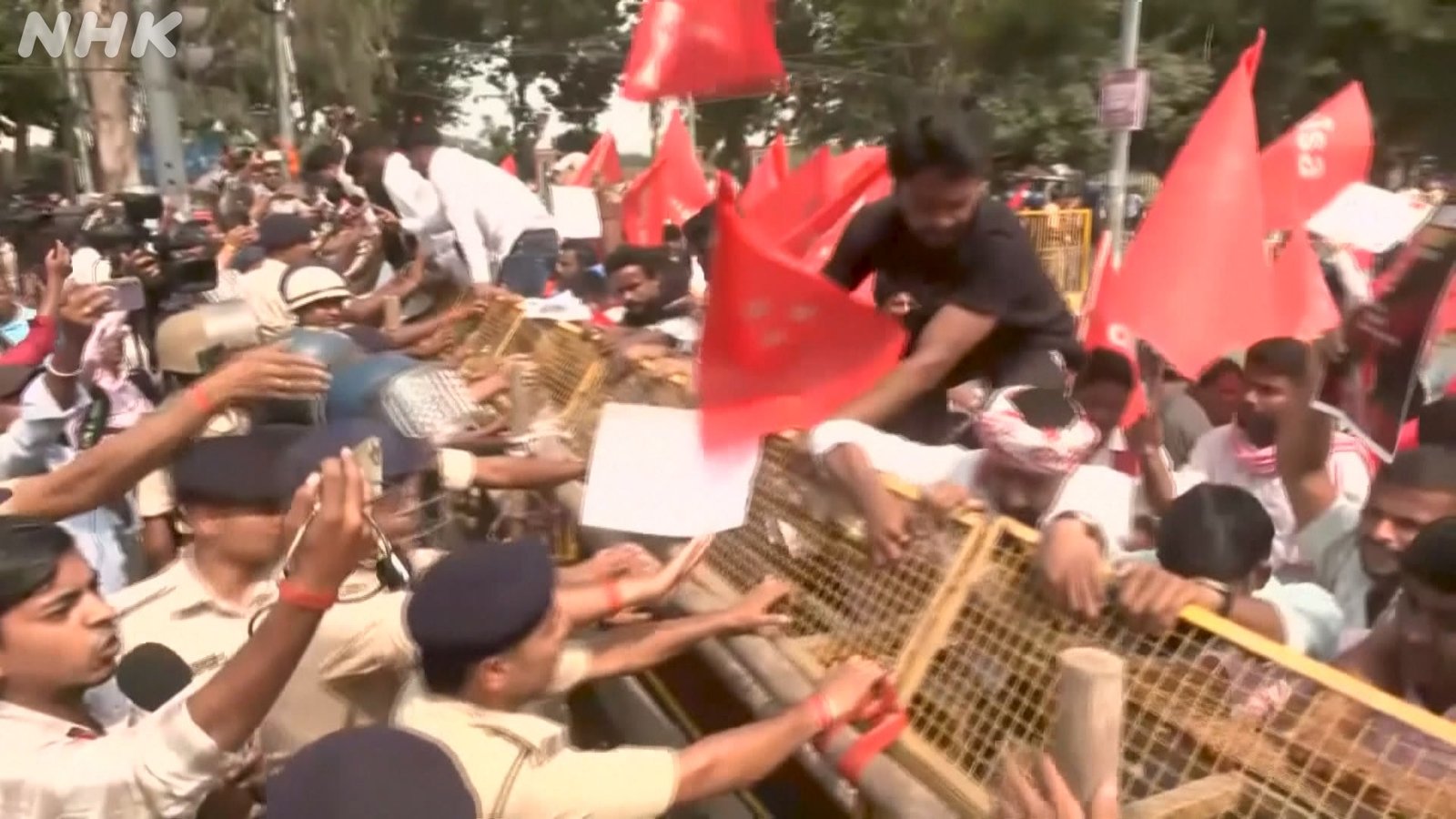
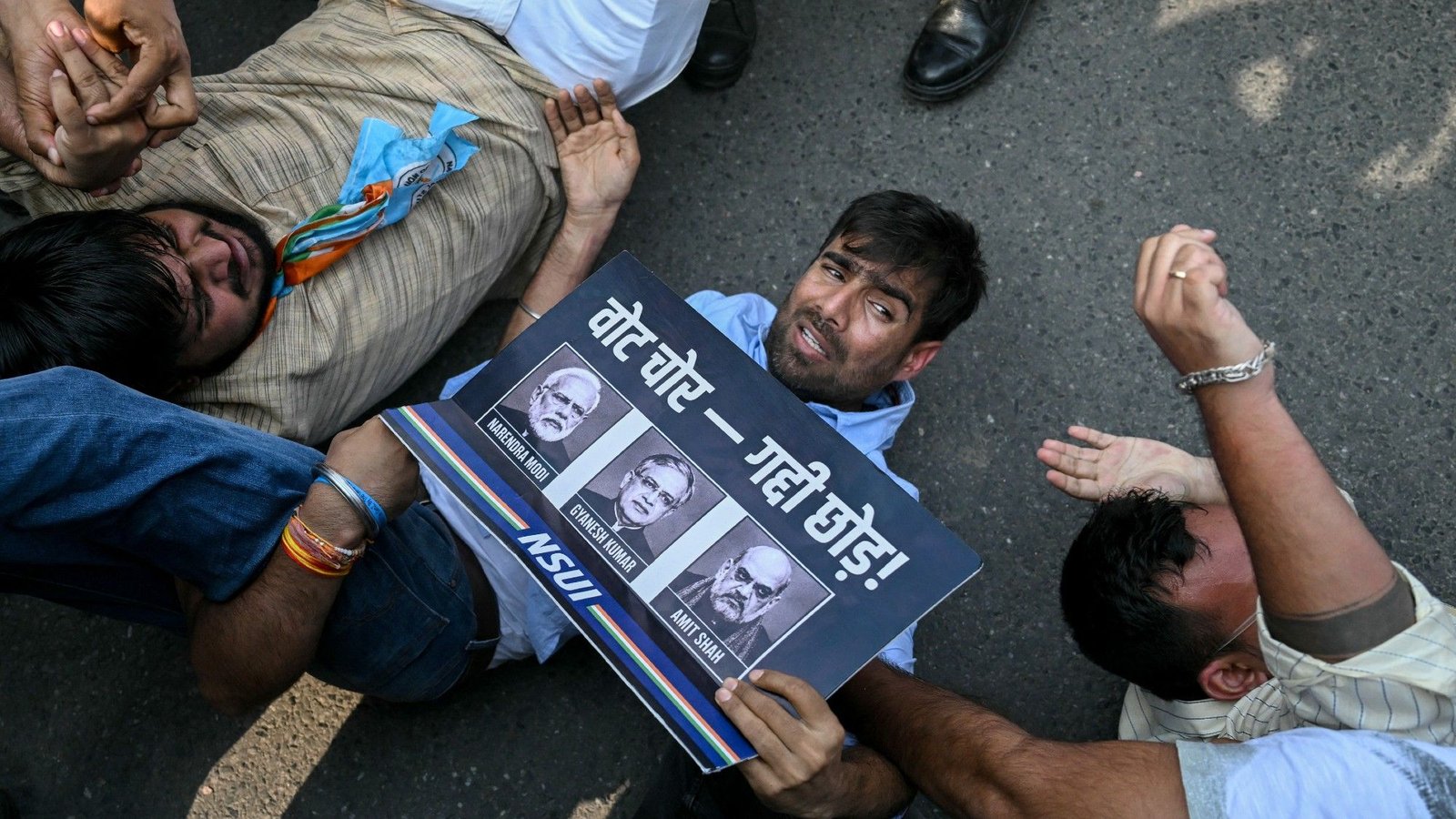
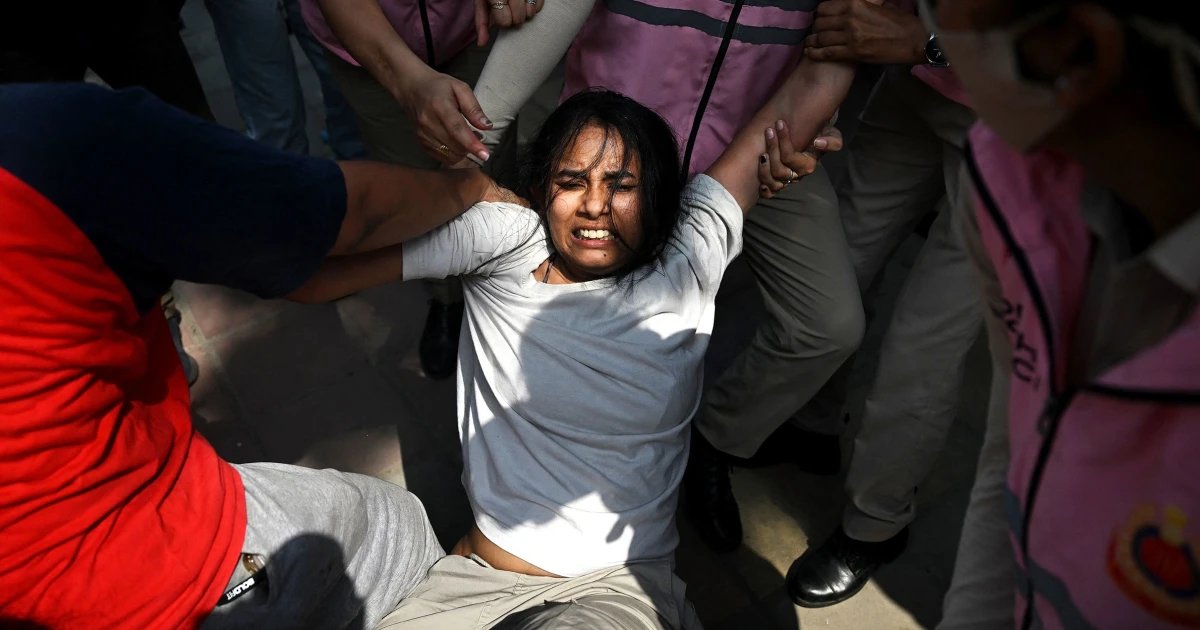
New Delhi — Tensions reached a boiling point in the national capital this week as thousands of demonstrators gathered outside the Election Commission of India (ECI) headquarters, demanding the immediate resignation of the country’s Chief Election Commissioner. The protest, which follows reports of 130 million names being struck from electoral rolls, has ignited a fierce political firestorm, with opposition leaders accusing the ruling Bharatiya Janata Party (BJP) of orchestrating a calculated effort to manipulate the democratic process.
Allegations of Widespread Disenfranchisement
The controversy stems from an independent data analysis suggesting that approximately 130 million voters have been removed from the electoral registers in recent months. Civil society groups and opposition activists claim that the deletions are not merely administrative updates but a targeted operation aimed at disenfranchising demographics historically critical of the current government.
“This is an unprecedented assault on the franchise of the Indian citizen,” said a spokesperson for the protesting coalition. “To have such a massive number of voters scrubbed from the lists without transparent verification is a subversion of democracy. We are witnessing a systemic attempt to ensure a favorable outcome for the incumbent party by making it harder for the opposition’s base to participate.”
The ECI has maintained that the removals were routine exercises aimed at purging duplicate entries, deceased individuals, and those who have changed constituencies. However, critics argue that the sheer scale of the deletions—occurring across multiple states ahead of crucial regional elections—defies logical explanation and suggests a political bias within the election body.
Political Stalemate and Demands for Accountability
The opposition bloc has moved to take the issue to the Supreme Court, filing a petition that demands an independent audit of the electoral rolls. They argue that the ECI has lost its institutional neutrality, transforming from an impartial arbiter into an extension of the state machinery.
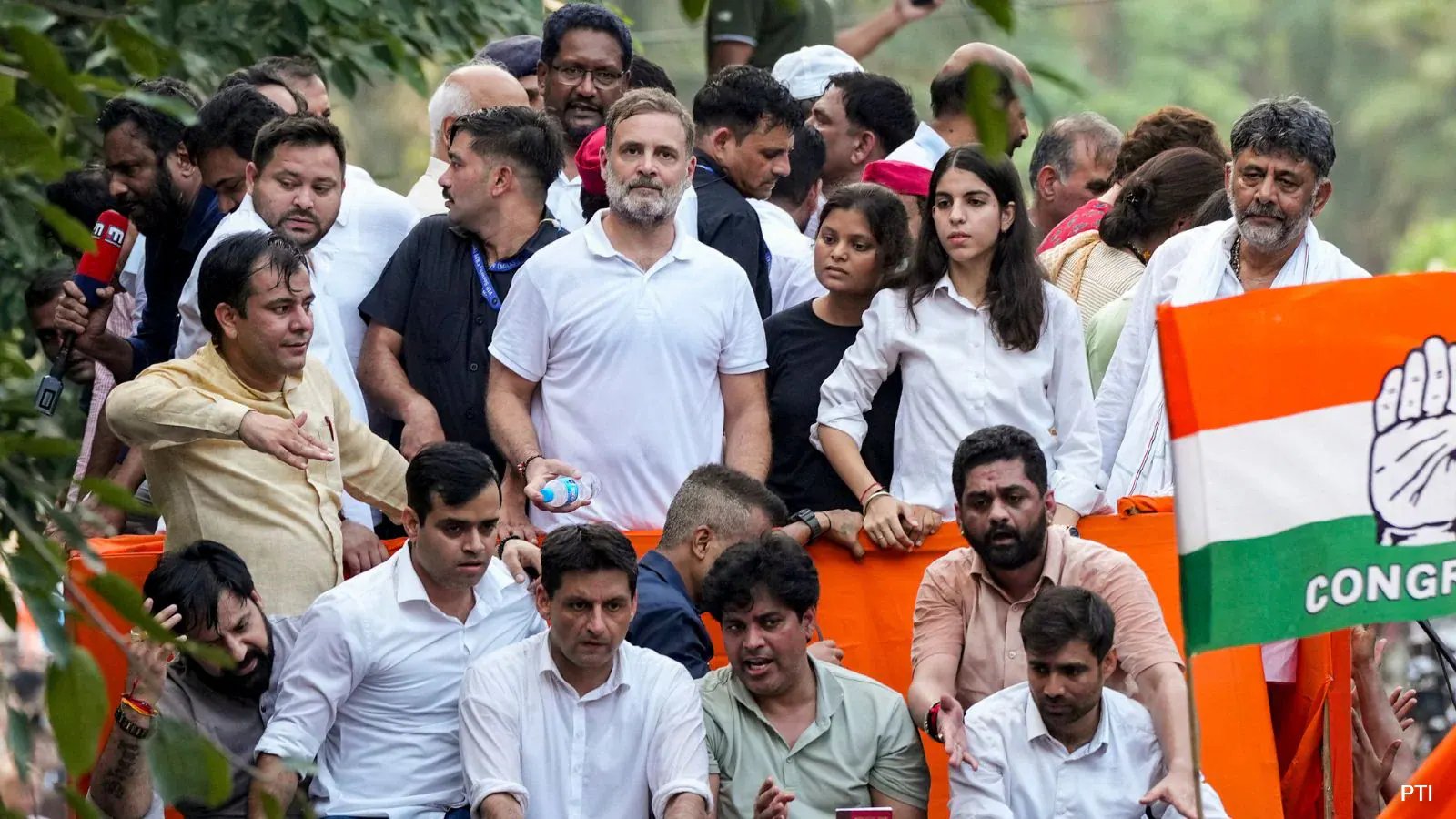
“The silence from the top is deafening,” stated a senior opposition leader addressing the crowd in New Delhi. “When 130 million voices are silenced, the Election Commission must explain why its processes appear to align so perfectly with the electoral requirements of the Prime Minister’s party. If they cannot guarantee the sanctity of the vote, they have no business overseeing the election.”
The BJP has dismissed these allegations as “politically motivated fear-mongering.” Government representatives have argued that the opposition is attempting to manufacture a narrative of systemic failure to excuse their own electoral weaknesses. They have reiterated their support for the ECI, urging the public to trust the established digital verification systems that replaced older, paper-based records.
A Democracy at a Crossroads
The protests, which have now spread to major urban centers including Mumbai, Bengaluru, and Kolkata, highlight a deepening polarization within the country. International observers have also begun to express concern, noting that the legitimacy of India’s electoral process—often lauded as the world’s largest democratic exercise—is currently facing its most significant stress test in decades.
As the standoff continues, the ECI faces mounting pressure to release granular data regarding the purged names and provide a clear timeline for rectification. With regional polls looming on the horizon, the ability of the commission to restore public trust may prove to be the most critical factor in the nation’s upcoming political landscape. For now, the streets remain filled with citizens who refuse to accept that their right to vote has been erased by bureaucratic fiat.
Disclaimer: This content is auto-generated for informational purposes only.
Source: Read Original News