








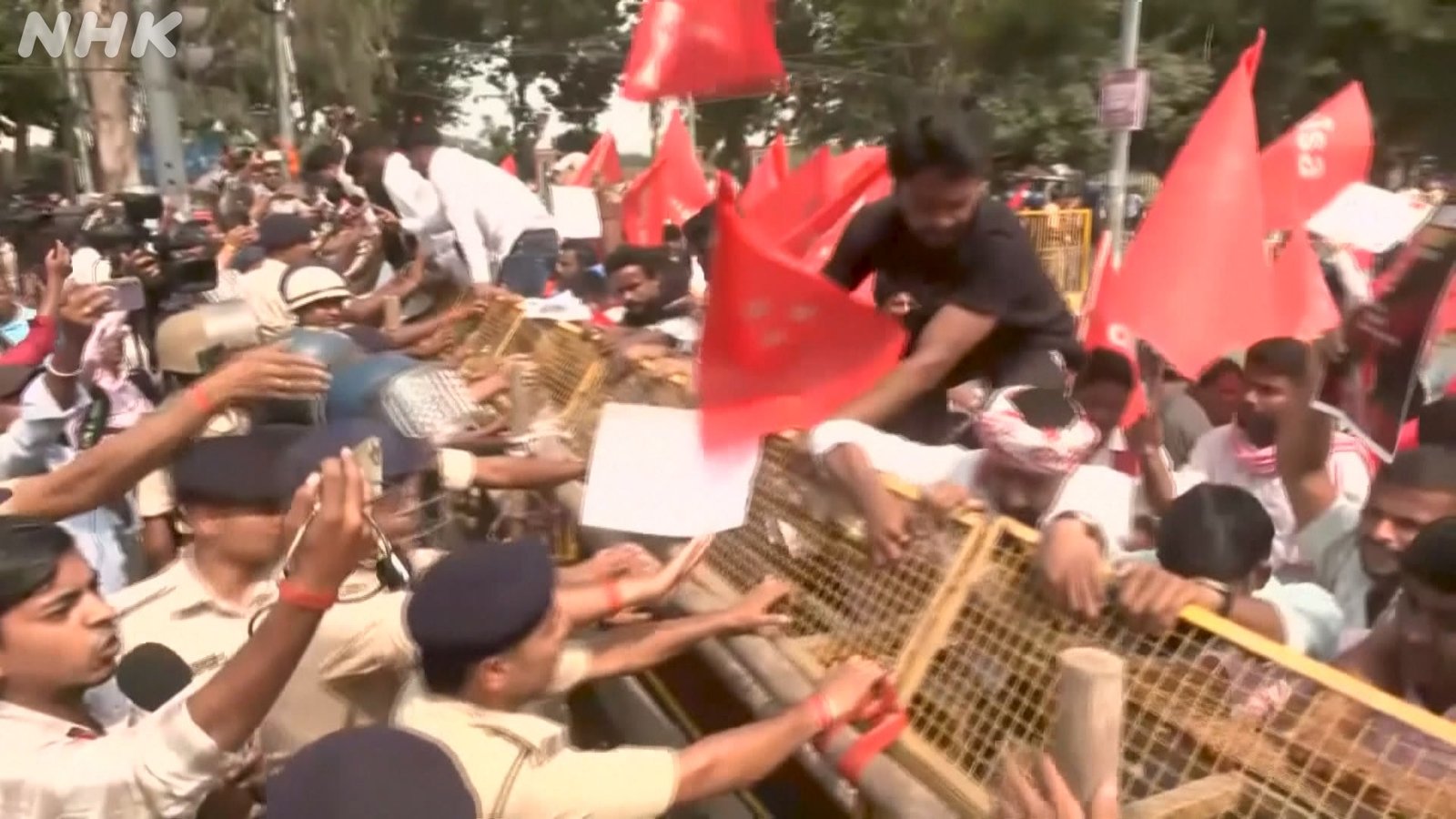
Nationwide Unrest Intensifies as Thousands March on Supreme Court Over Voter Roll Revisions
NEW DELHI — The heart of India’s capital witnessed a massive surge of dissent on Monday as thousands of citizens converged on the Supreme Court, escalating a week-long nationwide agitation against controversial modifications to the country’s electoral rolls. The demonstration, which brought central New Delhi to a standstill, serves as the latest flashpoint in a growing crisis that has posed one of the most significant political tests for Prime Minister Narendra Modi during his twelve-year tenure.
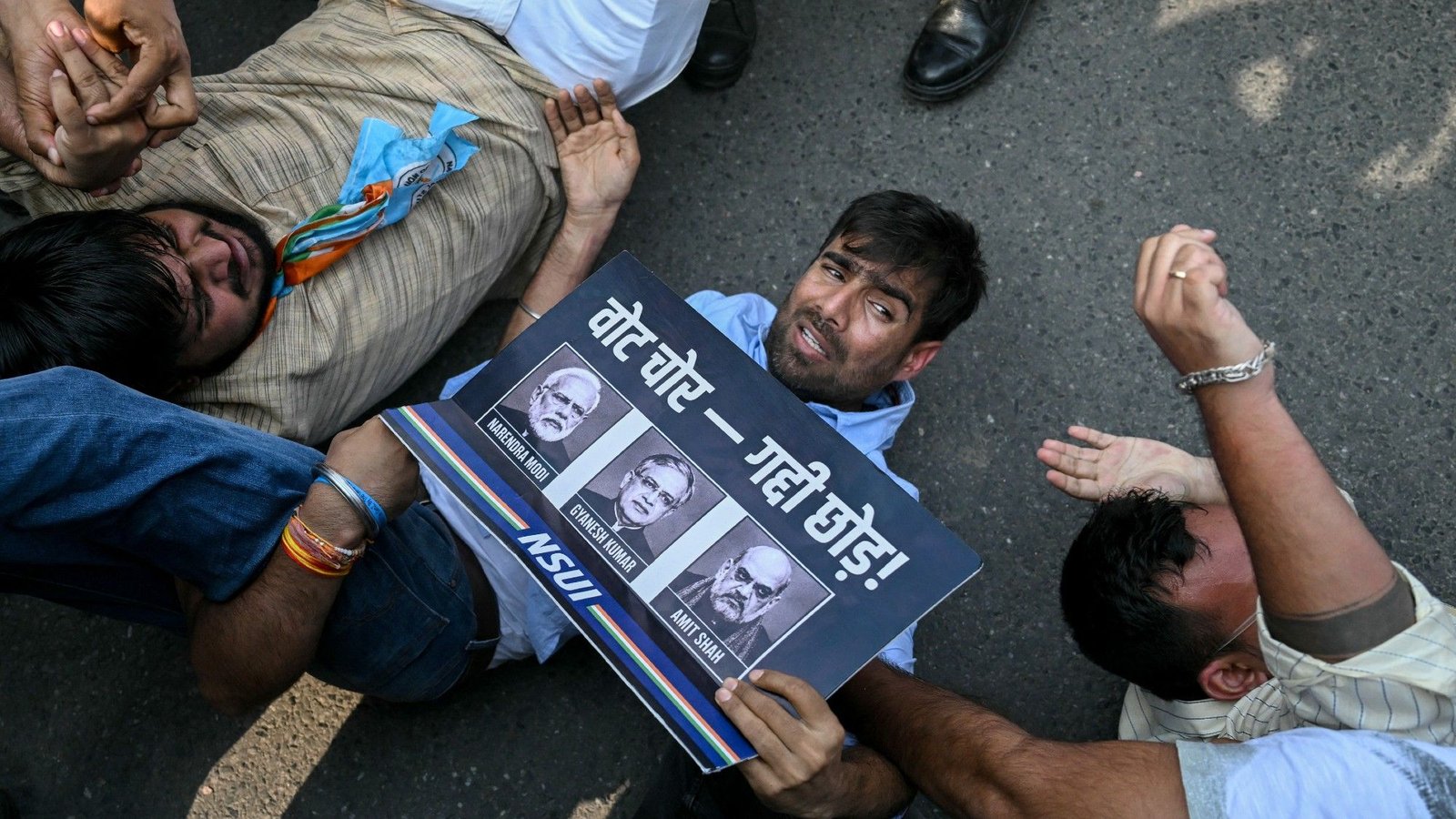
The march follows several days of widespread civil unrest across various states. Protesters, including a robust coalition of students and youth activists, are demanding an immediate cessation of the current voter-list revision process, which they claim is systematically disenfranchising eligible citizens.
Opposition Leaders Challenge Process in Highest Court
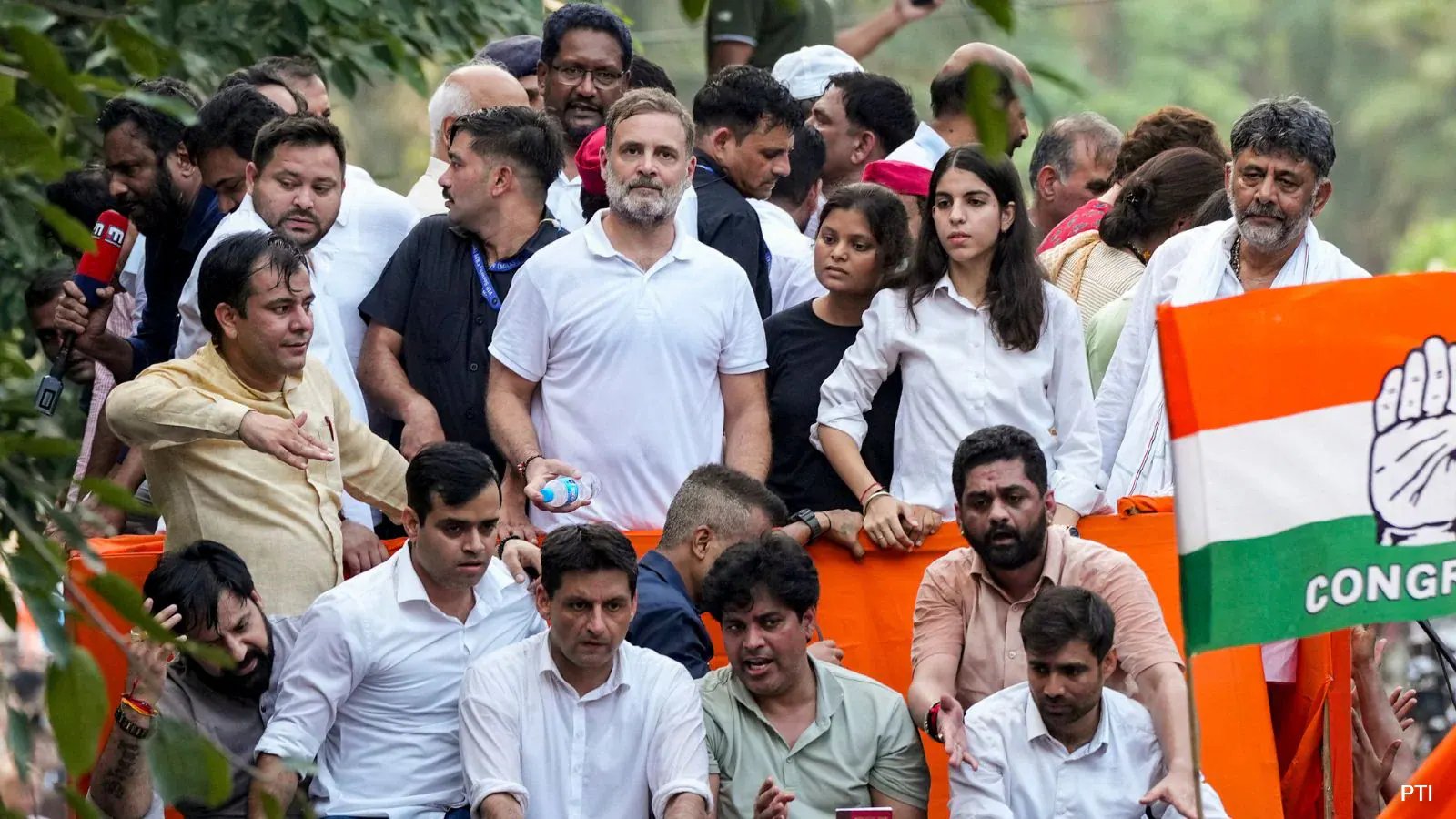
The legal battle reached the nation’s highest judicial authority as a delegation of senior opposition leaders, led by Rahul Gandhi, filed a formal petition challenging the integrity of the Election Commission’s (EC) recent initiatives. The petition alleges widespread irregularities and an opaque methodology in how names are being added to or removed from the voter registers.
Beyond the legal filing, the opposition has made the resignation of the Chief Election Commissioner a primary demand. Critics argue that the current revision process is not a routine administrative update but a strategic maneuver designed to benefit the Bharatiya Janata Party (BJP). By allegedly stripping voting rights from specific demographics, protesters claim the government is attempting to tilt the electoral landscape in its favor.
“The sanctity of our democracy rests upon the absolute transparency of our voter lists,” said one protest organizer outside the Supreme Court gates. “We are here to ensure that no citizen is silenced by bureaucratic manipulation.”
Heightened Tensions and Police Crackdown
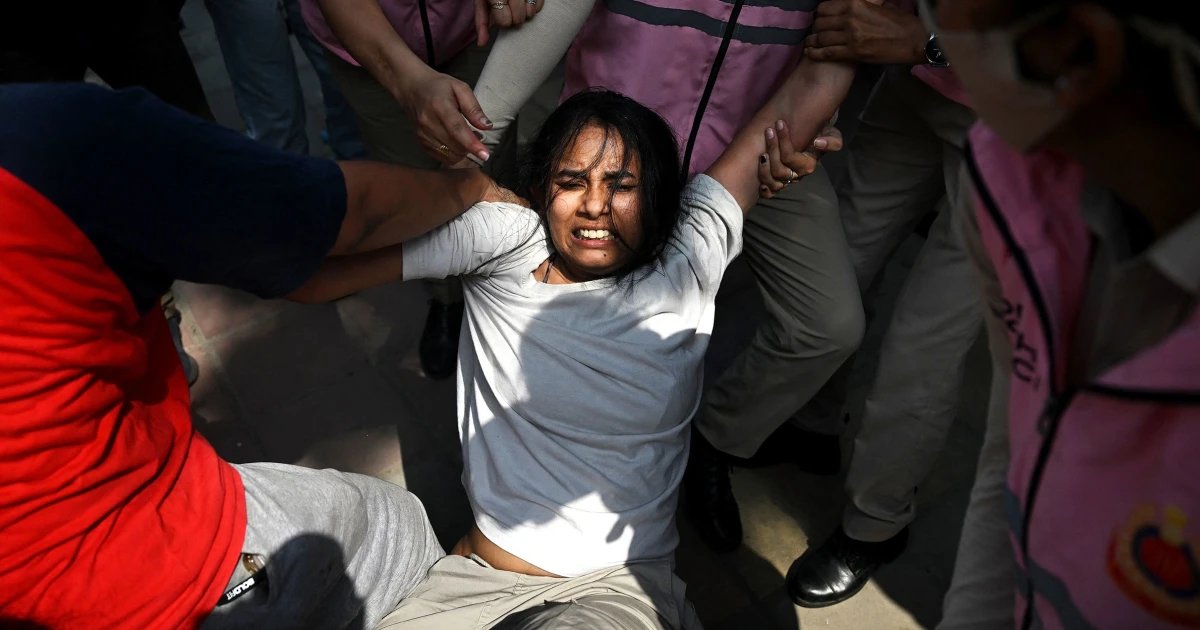
The atmosphere across the country has grown increasingly volatile over the past 48 hours. Authorities launched a significant crackdown over the weekend, resulting in the detention of thousands of protesters in various metropolitan hubs. Despite the heavy police presence and the use of barricades, demonstrators have remained undeterred, with the youth movement acting as a key driving force behind the sustained momentum of the protests.
In response to the growing allegations, both the Election Commission and the ruling BJP have issued categorical denials. Government spokespersons have dismissed the claims of manipulation as politically motivated misinformation, asserting that the revision process is a standard, tech-driven exercise aimed at updating records and removing duplicate entries. They argue that the opposition, sensing a weakening grip on public sentiment, is manufacturing a crisis to undermine the credibility of India’s democratic institutions.
As the Supreme Court prepares to review the petition, the political deadlock shows little sign of abating. The protests underscore a widening divide in the country, highlighting deep-seated concerns regarding institutional independence. With the national discourse dominated by these allegations, the coming days are expected to be critical as the judiciary determines whether to intervene in the electoral process, an outcome that could fundamentally alter the trajectory of India’s political climate.
Disclaimer: This content is auto-generated for informational purposes only.
Source: Read Original News