








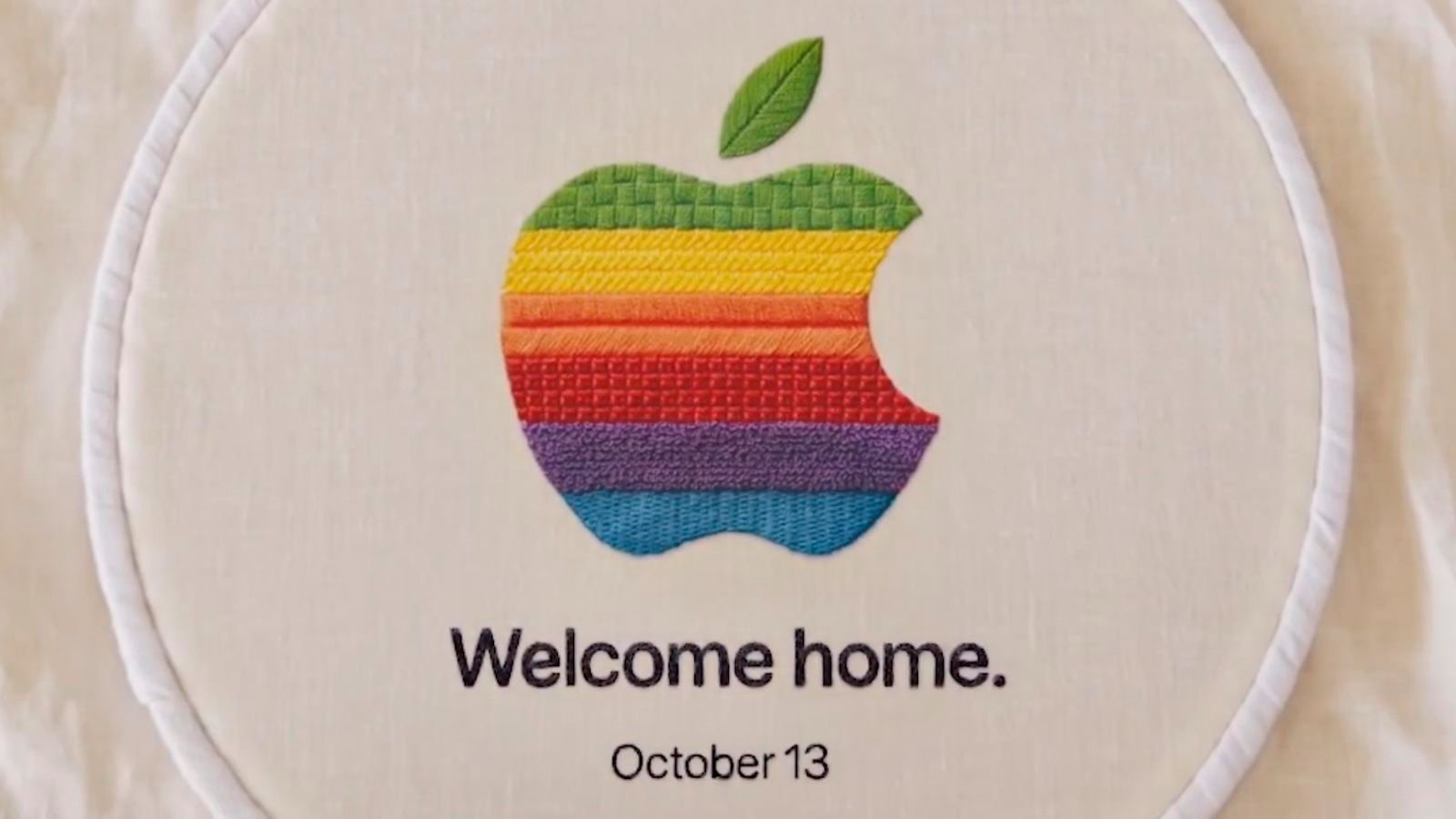
Apple has officially expanded its hardware ecosystem with the launch of the “Welcome home” product series. This mid-October reveal marks a significant shift in the company’s smart home strategy, anchored by the introduction of the HomeView hub, a redesigned HomePod mini, and a performance-focused iteration of the Apple TV 4K. By integrating specialized silicon and a dedicated operating system, Apple aims to consolidate its presence in the domestic environment.
The Emergence of HomeView and homeOS
The most notable announcement is the HomeView, a dedicated smart home hub that signifies the public debut of homeOS. Designed to act as the central nervous system of the household, the HomeView features a 6-inch square display optimized for high-density information delivery. The device will be released in two distinct form factors: a tabletop model featuring a premium metal speaker base and a wall-mounted variant designed for fixed installation.
At its core, the HomeView is powered by the A18 chip. This processor choice is calculated, providing the necessary overhead for Apple Intelligence and advanced local machine learning tasks. Rather than functioning as a general-purpose tablet, the HomeView is purpose-built for smart home management. It handles home security feeds, calendar synchronization, and media playback control through a widget-heavy interface. By restricting the device to a curated set of native apps and omitting a traditional App Store, Apple is prioritizing system stability and privacy, ensuring the hub remains a focused tool rather than a secondary computer.
Advanced Capabilities and Multi-User Integration
A critical feature of the HomeView is its native support for multiple users within a single household. Through the integration of Siri AI, the device can recognize individual voices and profiles, allowing for personalized calendar views, music playlists, and communication preferences. This capability is enhanced by the inclusion of FaceTime support, transforming the wall-mounted version into a communication station that remains permanently available for video calls.
The aesthetic design aligns with Apple’s current industrial standards. The tabletop version will be available in Gray, Silver, Starlight, and Rose, allowing it to integrate into various interior design schemes. The wall-mounted version will focus on the more minimalist Gray and Silver finishes. These devices are intended for high-traffic areas such as kitchens, bedrooms, and living rooms, effectively replacing manual controls with automated, voice-activated, and touch-screen interfaces.
Expanding the Home Ecosystem
To complement the HomeView, Apple is launching the “Apple Home Collection.” This suite of accessories, developed in partnership with established manufacturers such as LG and Schneider Electric, ensures that the new hub has a robust catalog of hardware to control from launch day. The collection includes smart doorbells, deadbolt locks, thermostats, and a variety of security cameras, including outdoor floodlight models. By collaborating with external hardware developers, Apple is positioning the HomeView as a comprehensive command center that extends beyond its own manufactured peripherals.
Performance Upgrades for the HomePod mini 2
The HomePod mini line is receiving a necessary technical refresh. Moving from the S5 chip found in the original 2020 model to the S10 processor—the same silicon architecture utilized in the Apple Watch Series 10—marks a substantial leap in onboard processing power. This shift suggests that the new HomePod mini will handle local Siri commands with reduced latency and improved audio processing capabilities. The physical design remains familiar, though the device will introduce new pink and green colorways, providing aesthetic parity with other current hardware lines. This update is designed to improve the reliability of the speaker as an AirPlay node and a Thread border router.
Next-Generation Connectivity with Apple TV 4K
The updated Apple TV 4K focuses on raw performance and peripheral convenience. Upgraded with the A19 chip, the device is positioned to handle intensive spatial computing tasks and high-fidelity media rendering. Beyond the core processor, the integration of an Apple-designed N1 chip provides native support for Wi-Fi 7, ensuring that bandwidth-heavy 4K streaming and low-latency gaming are prioritized on modern home networks.
Perhaps the most practical improvement is the revision of the Siri Remote. Incorporating a built-in speaker, the remote can now be located using a ping functionality, addressing one of the most common user pain points in the living room environment. By pairing this hardware update with enhanced Siri AI capabilities, Apple intends to make the Apple TV 4K the primary engine for home entertainment, bridging the gap between passive content consumption and active smart home interaction.
The new HomePod mini and the refreshed Apple TV 4K are scheduled for consumer availability on October 30, with the HomeView hub following shortly after in mid-November. Collectively, these updates suggest a long-term roadmap where the home is managed not by disparate gadgets, but by a unified, intelligent, and highly communicative network of devices.
Disclaimer: This content is auto-generated for informational purposes only.
Source: Read Original News