







TURMOIL in the ranks: India’s Aichi-Nagoya Asian Para Games campaign faces a chaotic final countdown as selection disputes, administrative gridlock, and coaching controversies threaten to derail the nation’s medal ambitions. With less than a week remaining before the opening ceremony, the serene focus required for elite athletic performance has been replaced by the high-stress atmosphere of government offices and courtroom corridors.
The latest friction point emerged Monday at the Sports Authority of India (SAI) headquarters in New Delhi, where a delegation of nine elite para shooters arrived to confront officials. The central grievance? The shocking omission of chief coach J P Nautiyal and armourer/assistant coach Shivam Tyagi from the official contingent destined for Japan.
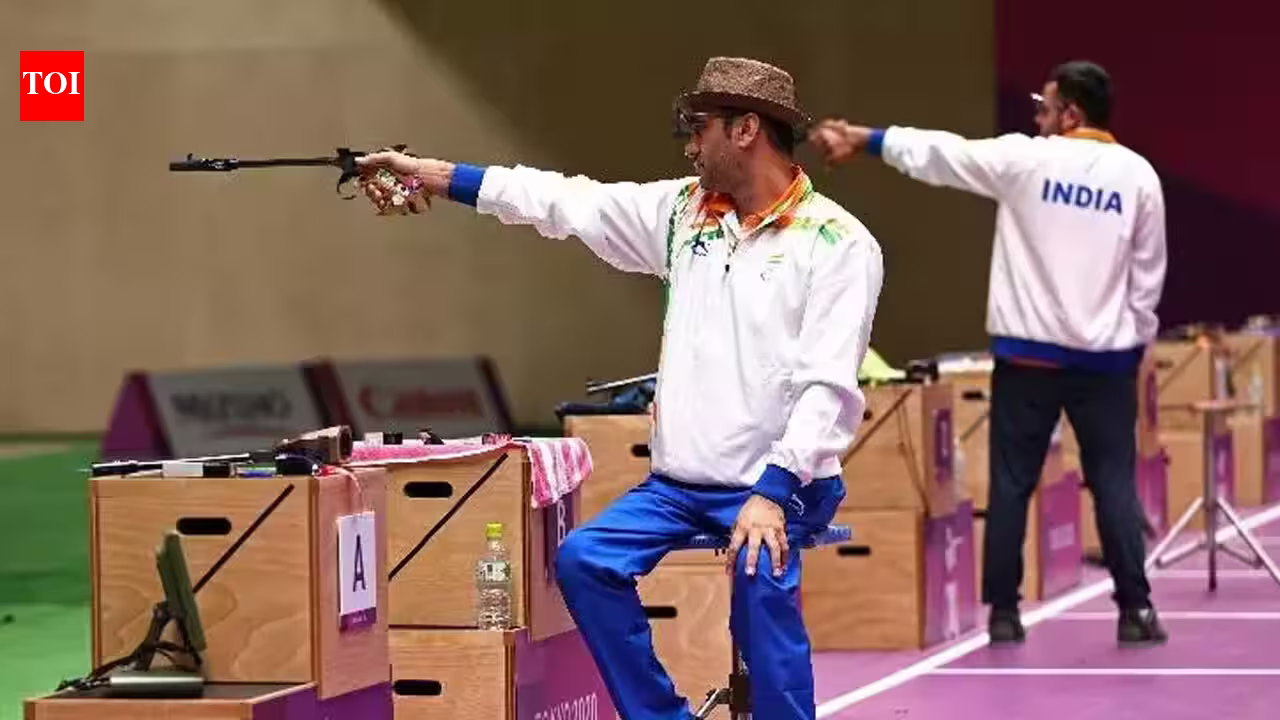
For athletes who have spent years honing their craft under Nautiyal’s tutelage, the exclusion is more than an administrative oversight—it is a competitive disadvantage. The roster of disgruntled athletes reads like a “who’s who” of Indian shooting excellence, featuring Paralympic gold medalist Manish Narwal, Mona Agarwal, Nihal Singh, Shrishti Arora, Swaroop Mahavir Unhalkar, Rakesh Nidagundi, Sumedha Pathak, and Bhakti Sharma.
The emotional toll of the uncertainty was palpable. Bhakti Sharma, a deaf and non-speaking shooter who relies on a highly specialized system of communication developed with her coaching staff, reportedly broke down during the meeting. Others, such as Sumedha Pathak, openly voiced doubts about their ability to compete effectively without their primary technical mentors on the ground in Nagoya.
## Last-Minute Clearances and Administrative Chaos
While the Ministry of Youth Affairs and Sports finally provided the long-awaited clearance for several pending disciplines late Monday evening, the damage caused by weeks of delay is significant. The late green light came just hours before the para badminton and table tennis teams were slated to depart for Japan, forcing athletes to scramble through logistics that should have been finalized weeks ago.
This administrative bottleneck extended to the very basics of the athletes’ requirements: their kit. On Monday afternoon, several athletes arrived at the Paralympic Committee of India (PCI) office to collect their official ceremonial and competition gear, only to leave empty-handed as final approvals remained in limbo. The absurdity of the situation was previously highlighted during the October 8 send-off event, when flag-bearer and badminton star Pramod Bhagat was forced to wear a kit borrowed from teammate Sukant Kadam simply because his own lacked a proper fit.
For a high-performance athlete, the final week before a major international competition should be reserved for acclimatization, mental preparation, and final equipment tuning. Instead, India’s representatives are dealing with poorly fitted uniforms and the logistical headache of last-minute travel arrangements.
## The Clock is Ticking for Paddlers and Cyclists
The impact of these delays is not uniform, but it is universally disruptive. In the sport of table tennis, where the competition window opens on October 16 following classification checks on October 15, the narrow margin for error is razor-thin. Wheelchair athletes, in particular, require time to adjust their equipment and physical positioning to the specific climate and conditions of the host venue. With the team arriving just hours before official processes begin, the risk of technical non-compliance or physical fatigue is elevated.
Furthermore, the “cleared” status of the contingent is not as comprehensive as it initially appears. Sources indicate that several notable names remain in limbo, including para badminton players Chirag Baretha, Manisha Patel, Shashank Kumar, Ammu Beulah Mohan, and Rachna Patel. Additionally, the secretary of the Table Tennis Association of Baroda, Kalpesh Thakkar, has yet to receive clearance, further complicating the administrative structure of the traveling squad.
## Courtroom Battles Overshadow Potential
Perhaps the most distressing narrative involves the para cycling team. Five athletes, who qualified through legitimate sporting channels, have taken their fight to the Delhi High Court, citing violations of Articles 14 and 21 of the Constitution. The petitioners are challenging the decision to slash the cycling contingent to a single representative, despite six athletes meeting the recommended benchmarks for inclusion.
As the court prepares for an interim decision this Tuesday, the five excluded cyclists remain in a state of professional paralysis—neither fully included nor officially resigned to watching the Games from home.
## A Call for Stability
As the nation waits to see if the Indian contingent can overcome these internal hurdles to perform on the international stage, the mood remains somber. These athletes, who have overcome immense personal and physical challenges to reach the elite level, deserve better than a backdrop of litigation and bureaucratic neglect.
Whether the Ministry and the PCI can bridge the gap between the administration and the athletes remains to be seen. However, for those already on the plane to Nagoya, the focus must now shift from the offices of New Delhi to the shooting ranges and courts of Japan. The hope remains that despite the disarray of the pre-Games phase, the resilience that defines these para-athletes will ultimately shine through, silencing the discord with success on the field of play.
Disclaimer: This content is auto-generated for informational purposes only.
Source: Read Original News