









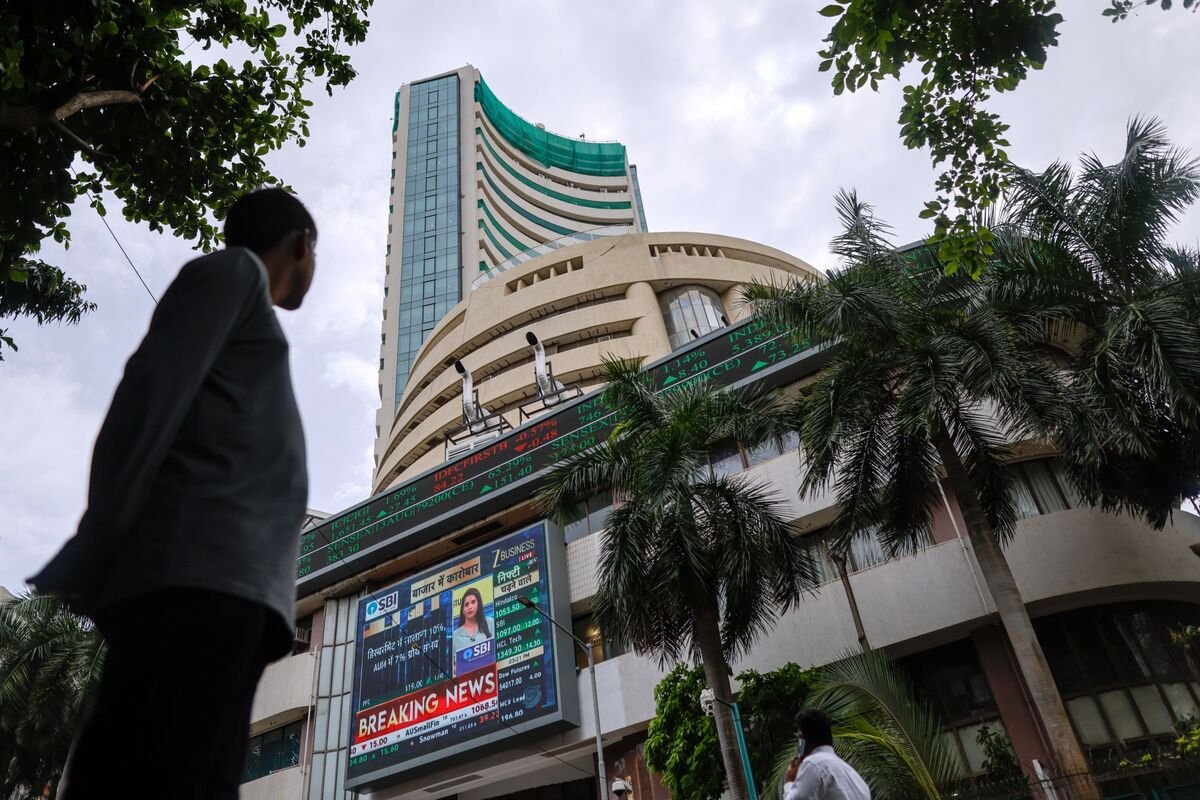
India Delivers Stern Warning: JPMorgan Unit Barred Over Alleged Market Manipulation
MUMBAI – August 20, 2026 – India’s capital markets have sent a clear message regarding the integrity of its nascent auction-based share price discovery system. The Securities and Exchange Board of India (SEBI), the nation’s market regulator, has imposed a ban on a Mauritius-based unit of JPMorgan Chase & Co. from participating in the country’s capital market. The unprecedented move comes amidst serious allegations of manipulative trading practices within the newly introduced mechanism designed to enhance transparency and efficiency in share price determination.
The ban, effective immediately, marks a significant escalation in SEBI’s efforts to safeguard the fairness and trustworthiness of its financial markets, particularly as it embraces new methodologies for price discovery. While the specific details of the alleged manipulative activities remain under investigation, sources close to the regulator indicate that the irregularities were identified during the initial stages of the auction system’s implementation.
The auction-based system for share price discovery was launched with much fanfare earlier this year, aimed at providing a more robust and transparent mechanism for price formation in certain segments of the Indian market. Its introduction was intended to foster greater investor confidence and reduce the potential for price distortions. However, the reported actions of JPMorgan’s Mauritius-based entity have cast a shadow over this initiative.
SEBI has not yet publicly disclosed the full extent of its findings or the evidence that led to the ban. However, the regulator’s decisive action suggests a strong commitment to maintaining a level playing field for all market participants. This swift response is likely to be viewed as a signal that any attempts to exploit or distort new market mechanisms will be met with severe penalties.
For JPMorgan, a global financial giant with a significant presence in India, this ban represents a considerable reputational blow and a potential disruption to its operations within the Indian capital market. While the ban specifically targets the Mauritius-based unit, the implications could reverberate throughout the firm’s broader activities in the South Asian nation.
Market analysts are closely watching the developments, anticipating further details from SEBI regarding the scope and duration of the ban, as well as any potential follow-up investigations or penalties. The incident serves as a stark reminder to all international financial institutions operating in India that adherence to regulatory norms and ethical trading practices is paramount, especially as the nation continues to evolve and modernize its financial infrastructure.
The Indian government and SEBI have consistently emphasized their commitment to fostering a fair and transparent financial ecosystem. This latest action against a prominent global institution underscores that commitment and reiterates India’s determination to protect the integrity of its rapidly expanding capital markets.