









Google’s PhotoScan: A Revolutionary Step Towards At-Home Body Composition Analysis Using Selfies
MOUNTAIN VIEW, CA – In a significant stride towards making comprehensive health insights more accessible, Google Research has unveiled "PhotoScan," an innovative system that promises to deliver highly accurate body composition estimates and even predict insulin resistance using nothing more than a series of smartphone selfies. This development could revolutionize how individuals understand and manage their health, offering a non-invasive alternative to complex and often expensive clinical assessments.
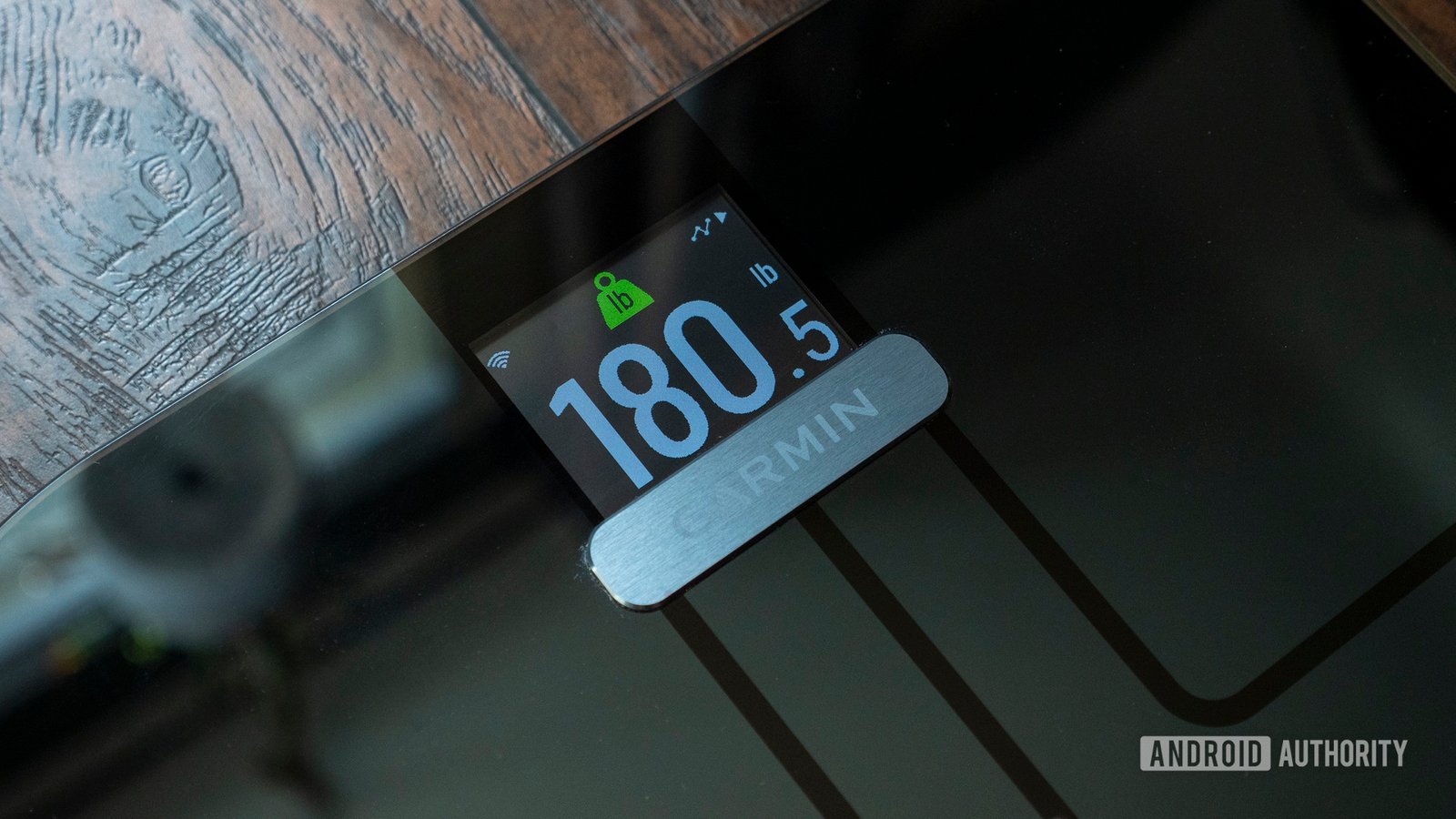
The initiative comes at a crucial time, with the National Institutes of Health (NIH) reporting that nearly three-quarters of American adults are overweight or obese. While traditional scales offer a basic weight measurement, they fall short of providing a holistic picture of body composition, a vital indicator of overall health. Existing accurate methods, such as dual-energy X-ray absorptiometry (DXA) scans, require specialized equipment and medical appointments. Smart scales and wearables, equipped with bioelectrical impedance analysis (BIA) sensors, offer more data points like estimated body fat, but their accuracy can be inconsistent, and they lack the ability to differentiate between various fat types.
PhotoScan: Leveraging AI and Existing Data for Unprecedented Accuracy
Google Research’s PhotoScan system is a testament to the power of artificial intelligence in healthcare. The core of its technology lies in its sophisticated training process. Researchers initially fed the AI model with data from actual DXA scans, which provided precise measurements of overall body fat levels. Crucially, it also captured vital ratios such as the android-to-gynoid (A/G) ratio, indicating the distribution of core versus waist/leg fat, and the visceral-to-subcutaneous (V/S) ratio, distinguishing between organ and under-the-skin fat. These intricate details are often missed by consumer-grade devices.
Further enhancing its capabilities, the system integrated body data from Magnetic Resonance Imaging (MRI) scans. The final crucial step involved fine-tuning the model with a fresh dataset of actual smartphone photos, allowing the AI to learn how to interpret and analyze 2D images for body composition.
The results are promising. Google Research reports that PhotoScan demonstrates a higher degree of accuracy in visually estimating body fat compared to the BIA sensors found in many popular wearables. Moreover, its ability to accurately estimate A/G and V/S ratios sets it apart, offering insights that BIA sensors simply cannot provide.
Beyond Body Composition: Predicting Insulin Resistance
The ambition of PhotoScan extends beyond just detailing body composition. Google Research also explored its potential in predicting conditions like insulin resistance. This aligns with Google’s growing focus on preventative health, as evidenced by upcoming features like the "Insulin Resistance Trends in Health Guardian" on the Pixel Watch. By identifying individuals at risk through a non-invasive method, PhotoScan could empower users to make proactive lifestyle changes and seek early medical intervention.
The Road Ahead: Privacy and User Engagement
While the research is undoubtedly groundbreaking, several challenges remain before PhotoScan can become a widely adopted consumer product. The most significant hurdle will likely be user acceptance of sharing potentially "unflattering" full-body photographs for analysis. Even with robust privacy policies in place, convincing individuals to submit such personal imagery will require careful consideration and transparent communication from Google.
Furthermore, the fundamental question of how to motivate users to act on the data remains. Providing detailed health insights is one thing; prompting serious dietary and lifestyle changes is another, much more complex endeavor. However, tools like PhotoScan, by offering clear and personalized data, could be a vital first step in empowering individuals to take control of their health journeys.
Currently, Google has not announced any immediate plans to launch PhotoScan as a commercial product. Nevertheless, given its alignment with the company’s expanding health initiatives, it would not be surprising to see this technology eventually integrated into future Google Health offerings, providing users with an accessible, accurate, and potentially life-changing tool for understanding their bodies.