








Here’s a high-quality news article based on the provided content:
Evergrande Founder Faces Legal Reckoning as Property Crisis Deepens
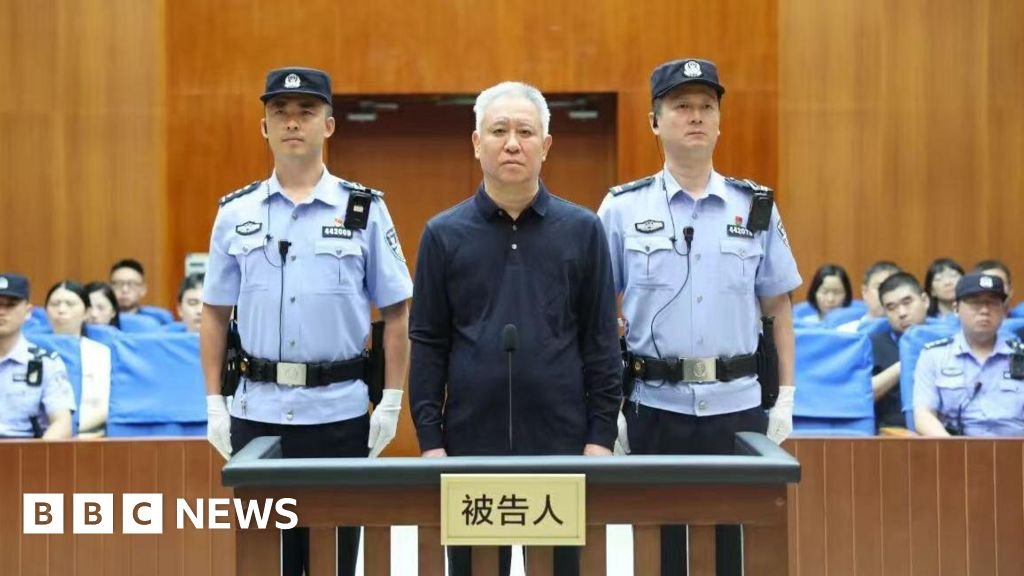
Beijing, China – The dramatic downfall of China Evergrande Group, once a titan of the nation’s real estate sector, has reached a critical juncture with the impending sentencing of its former chairman and founder, Hui Ka Yan. This pivotal legal development signals a significant moment in the ongoing fallout from Evergrande’s collapse, a crisis that has sent shockwaves through China’s economy and beyond.
Hui Ka Yan, also known as Xu Jiayin, presided over what was once China’s second-largest property developer, a company whose rapid expansion and vast debt accumulation eventually led to its spectacular implosion. The image of Hui, a once-revered figure, now facing legal repercussions, encapsulates the profound shift occurring within China’s property market.
Sources indicate that the sentencing of Hui marks a key moment in the aftermath of Evergrande’s collapse. This event is not merely about one individual; it symbolizes the Chinese government’s tightening grip on financial risk and its determination to address the systemic issues that allowed such a colossal debt bubble to inflate. The property sector, a cornerstone of China’s economic growth for decades, has been grappling with immense challenges, including widespread developer defaults, unfinished projects, and a crisis of consumer confidence.
Evergrande’s woes began to unravel in 2021, when it became clear the company could no longer service its staggering debts, estimated at over $300 billion. The subsequent default triggered a ripple effect across the Chinese economy, impacting suppliers, homeowners, and investors alike. The government, initially adopting a cautious approach, has since intensified its efforts to stabilize the market and hold accountable those deemed responsible for the crisis.
The sentencing of Hui Ka Yan is expected to send a strong message across the business community in China, emphasizing the increased scrutiny on corporate governance and financial responsibility, particularly within the highly leveraged real estate industry. While details of the charges against Hui remain under wraps, it is widely believed they relate to financial misconduct and the mismanagement that precipitated Evergrande’s downfall.
This development comes amidst a broader effort by Beijing to deleverage the property market and foster a more sustainable growth model. The government has introduced a series of policies aimed at supporting viable developers and ensuring the completion of pre-sold homes, attempting to restore faith among homebuyers.
However, the path to recovery for China’s property sector remains fraught with challenges. The long-term implications of Evergrande’s collapse, coupled with the legal proceedings against its founder, are expected to continue shaping the landscape of Chinese real estate for years to come. The world will be watching closely to see how this legal fallout impacts future corporate behavior and the broader economic stability of the nation.