








India Removes Encroachments Outside Pakistan High Commission in Reciprocal Move
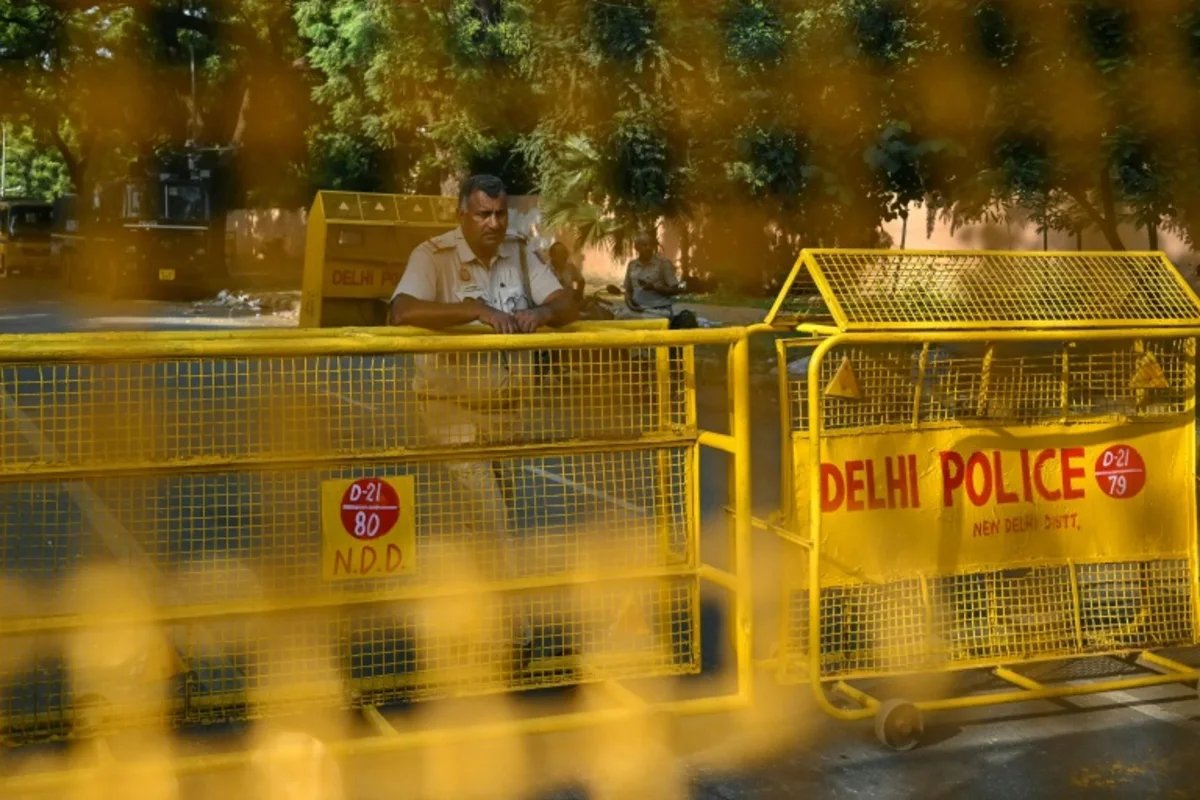
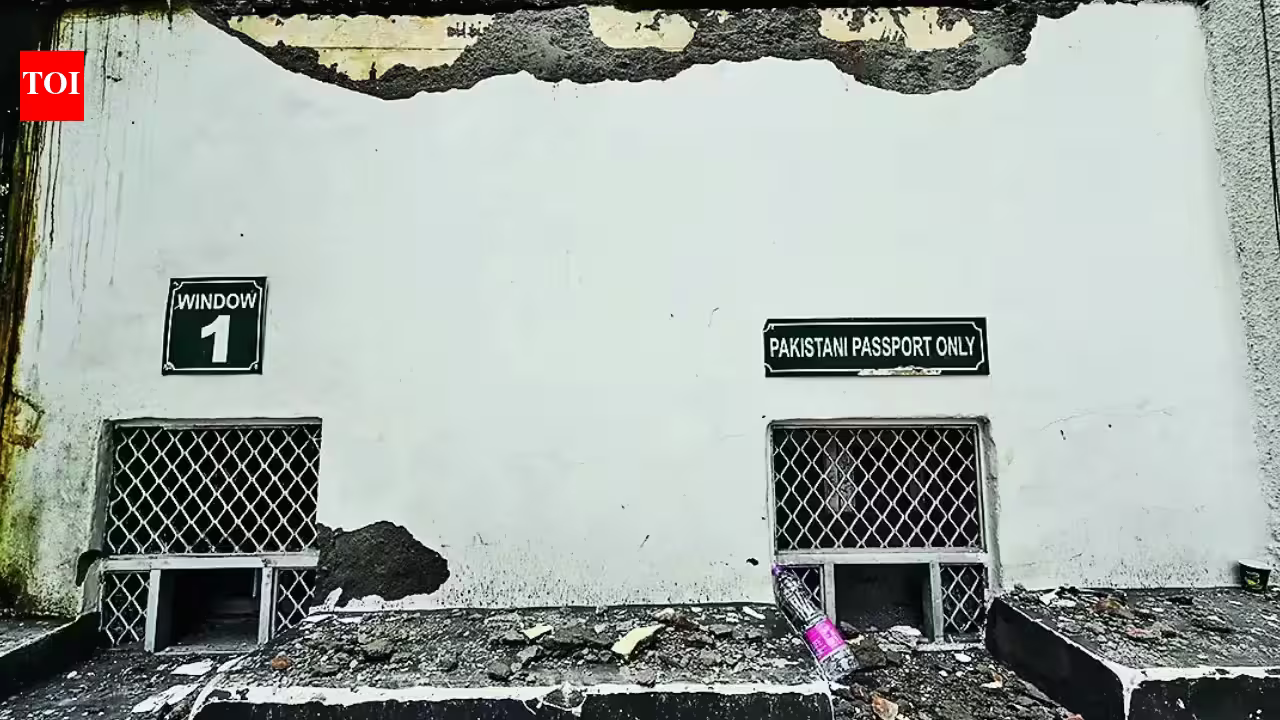
NEW DELHI: In a calibrated diplomatic signal, Indian authorities moved on Wednesday to dismantle queue liners and various encroachments located along a lane outside the Pakistan High Commission in New Delhi. The action, which left the immediate area strewn with debris and construction rubble, serves as a direct response to similar measures taken against the Indian High Commission in Islamabad earlier this week.
A Proportional Response
According to official sources, the removal process targeted unauthorized infrastructure in a side lane adjacent to the mission’s boundary rather than the main entrance itself. The move is being viewed by New Delhi as a "proportionate response" to the recent removal of parking poles and security barricades outside the Indian High Commission in Pakistan.
While the main gate of the Pakistani mission—characterized by its distinct white walls and domed architecture—remained untouched, the surrounding area was left with twisted metal frames, broken roofing sheets, and scattered concrete, marking a visible shift in the status quo outside the diplomatic compound.
Government officials emphasized that India hopes the incident marks the end of this particular dispute. However, they maintained a firm stance, noting that New Delhi remains prepared to respond further should Pakistan choose to escalate the situation.
Strained Bilateral Ties
This episode occurs against the backdrop of long-standing diplomatic tension between the two nuclear-armed neighbors. Relations have remained effectively frozen for years, a state of affairs further exacerbated by a series of border and security incidents. Last year, in the wake of the Pahalgam terror attack, India mandated a significant reduction in the staffing levels of diplomatic missions, slashing the strength of both High Commissions from 55 to 30 personnel.
Despite the deep freeze in formal diplomatic relations, the two nations continue to maintain functional channels for communication. These limited, necessary engagements include:
- Director General of Military Operations (DGMO)-level talks.
- The pre-notification of ballistic missile flight testing.
- Periodic exchanges of lists detailing nuclear installations and prisoners held in each other’s custody.
Furthermore, Indian authorities have categorically dismissed reports or speculation regarding any "Track-2" diplomacy or back-channel negotiations currently taking place with Islamabad.
The recent event serves as a sharp reminder of the fragile nature of the current India-Pakistan diplomatic landscape, where even minor administrative actions are interpreted as significant statements of intent by both capitals.