







India Slams UN Human Rights Bodies Over ‘Politicisation’ and Unsubstantiated Reports
UNITED NATIONS | In a firm assertion of sovereignty, India has called upon United Nations human rights mechanisms to abandon “politicisation and selectivity,” urging international bodies to respect the unique cultural and historical contexts of member states. The statement was delivered by Anuj Swarup, First Secretary at India’s Permanent Mission, during the 81st session of the UN General Assembly’s Third Committee on Monday.
A Call for Impartiality
Mr. Swarup emphasised that for the UN to function as an “impartial moral compass,” it must move away from the double standards that often plague its human rights assessments. While reaffirming India’s commitment to collaborating with the UN High Commissioner for Human Rights in a spirit of partnership, he underscored that such cooperation must be rooted in mutual trust rather than external interference.
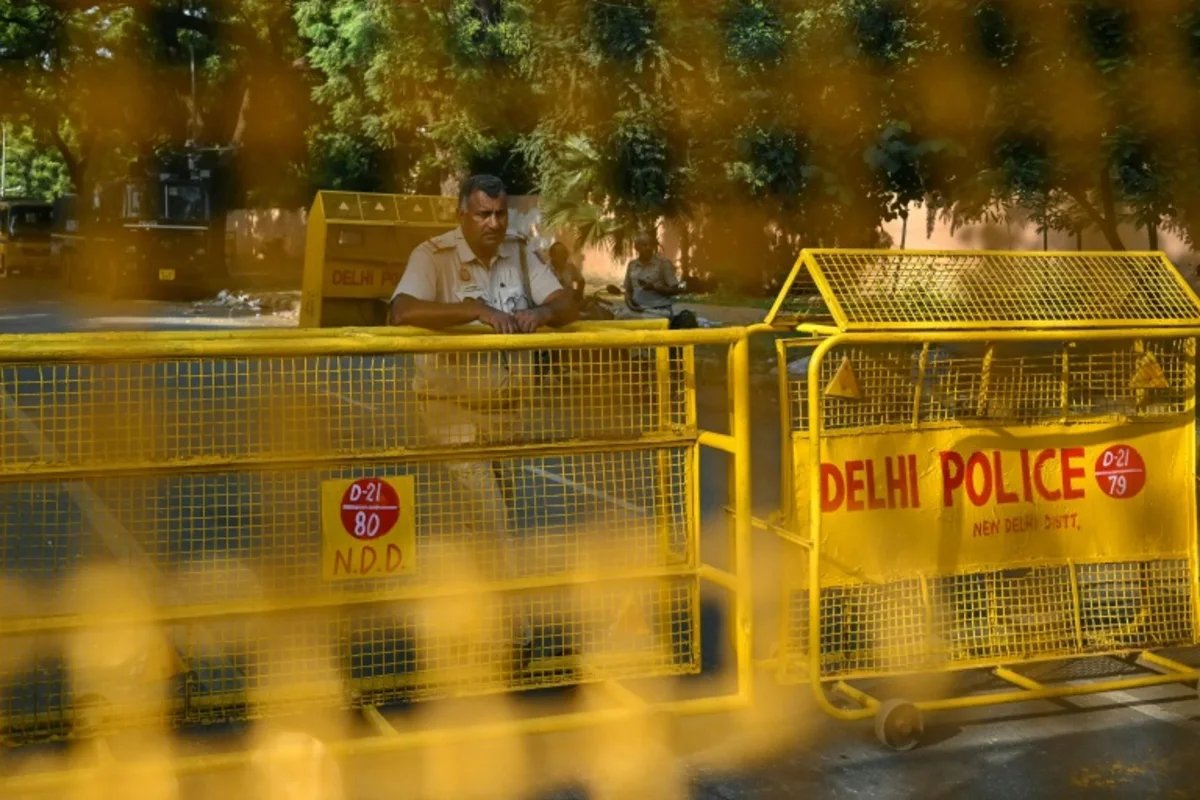
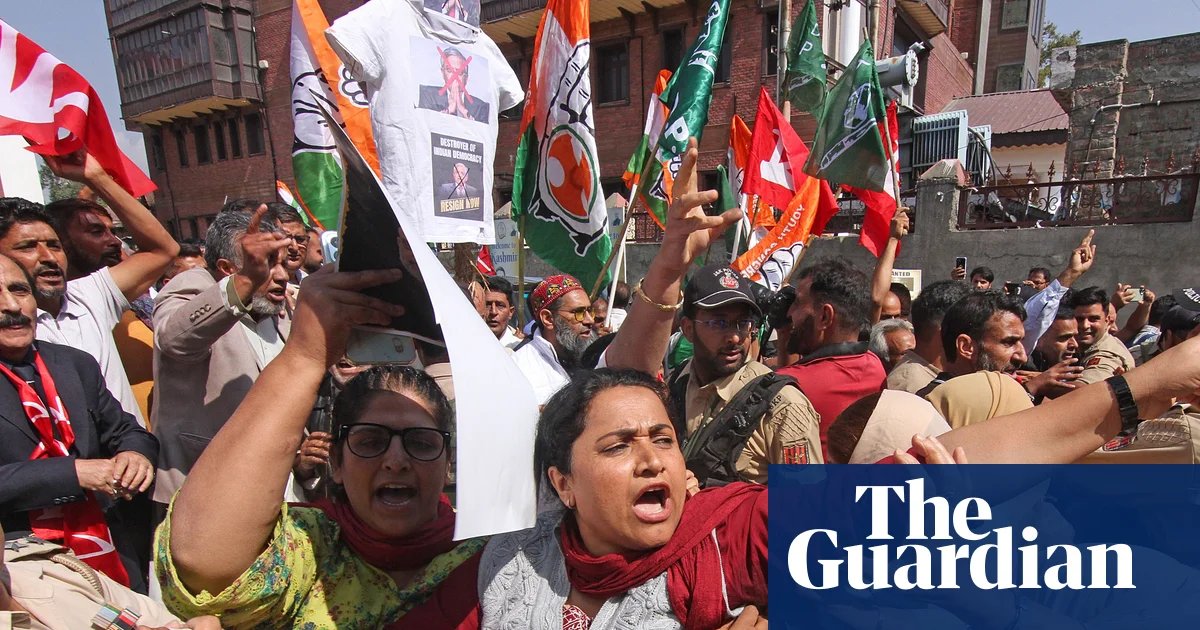
This address comes on the heels of a diplomatic pushback from New Delhi, which recently labeled comments from the Office of the High Commissioner regarding protest-related detentions in the national capital as an “unwarranted” and “unacceptable” breach of its internal affairs. India has consistently maintained that its internal law-and-order mechanisms are managed by the robust, democratic institutions of the world’s largest democracy.
Development and Human Rights
Defending India’s domestic record, Mr. Swarup highlighted that the nation’s human rights framework is deeply embedded in its civilisational ethos of pluralism and coexistence. He argued that true human rights progress in India is evidenced by its ambitious, people-centric development model.
“Over the last decade, we have lifted more than 250 million people out of multidimensional poverty,” Swarup noted. He pointed to extensive social safety nets, including free food grain distribution for 800 million citizens, healthcare access for 600 million, and the financial inclusion of 320 million women through bank accounts, as proof of a governance model that prioritizes the dignity and welfare of every citizen.
Challenging Selective Reporting
Beyond the general critique of UN mechanisms, India took direct aim at a recent report submitted by the Special Rapporteur on the rights of Indigenous Peoples, Albert Barume. The report claimed that a substantial number of land claims under India’s Forest Rights Act remained unresolved.
Mr. Swarup strongly rejected this assessment, calling it an example of “selective reliance on unverified input.” He criticized the report for basing its claims on a single submission rather than official, verified statistics. Contrasting the report’s narrative with government data, Swarup stated that out of 5.4 million claims filed, over 80% have already been processed, with 2.5 million titles successfully distributed.
“Such reliance on unverified submissions calls into question the rigour and objectivity of the report,” he remarked, while offering to provide the Special Rapporteur with updated official data to correct the record.
As India prepares to engage with a newly elected cohort of the Human Rights Council for the 2027-2029 term, its message remains clear: the country will continue to advocate for a global human rights dialogue that is objective, credible, and free from the bias of external politicisation. India reiterated its dedication to inclusive growth, asserting that it will continue to ensure that no community is left behind in its developmental journey.
Disclaimer: This content is auto-generated for informational purposes only.
Source: Read Original News