








Electoral Purge: 130 Million Voters Stripped from Indian Rolls Amid Allegations of Political Engineering
India is grappling with a profound constitutional crisis as a massive voter registration exercise, known as the Special Intensive Revision (SIR), has resulted in the deletion of 130 million names from the nation’s electoral rolls. The scale of the removal—surpassing the entire population of Japan—has sparked nationwide protests, paralyzed the capital, and cast a shadow over the integrity of the world’s largest democracy.
The Narendra Modi-led government defends the SIR as a necessary effort to “purify” electoral records by removing deceased and duplicate entries. However, the process has drawn fierce condemnation from opposition leaders, civil society, and former election officials, who argue that the exercise is being used as a targeted weapon to disenfranchise Muslims, lower-caste communities, and the poor—demographics that historically do not favor the Bharatiya Janata Party (BJP).
From Citizen to Stateless: The Human Toll
The human consequences of the mass deletion are exemplified by the case of Shahida Fakir, a 38-year-old migrant worker from West Bengal. Despite holding birth certificates and land records dating back to 1962, Fakir discovered her name had been purged from the electoral list in April.
Shortly after her exclusion, she was detained by police on allegations of being an illegal immigrant. Within weeks, she was deported to Bangladesh—a country to which she has no connection. “I have all the documents to prove I am an Indian citizen,” she stated during a phone call from a border village where she is now seeking refuge. “I begged them not to send me away, but they pushed me over the border.” Her case, now pending before the Supreme Court, highlights the terrifying reality for millions: the potential to be rendered an alien in one’s own land.
Erosion of Independent Institutions
Critics contend that the politicization of the Election Commission (EC) is the root cause of the current volatility. In 2023, the government modified the appointment process for election commissioners, granting the ruling party majority control over the selection panel. The subsequent appointment of Gyanesh Kumar as chief election commissioner has become a flashpoint.
Reports indicate that two other members of the commission raised 14 distinct objections regarding the methodology of voter exclusions, only to be unilaterally overruled by Kumar. Former Chief Election Commissioner S.Y. Qureshi has characterized the move as “national harassment” designed to target minority voters, while observers like Ronojoy Sen of the National University of Singapore warn that the independence of a once-credible institution has been severely degraded.
Rising Unrest and Demands for Accountability
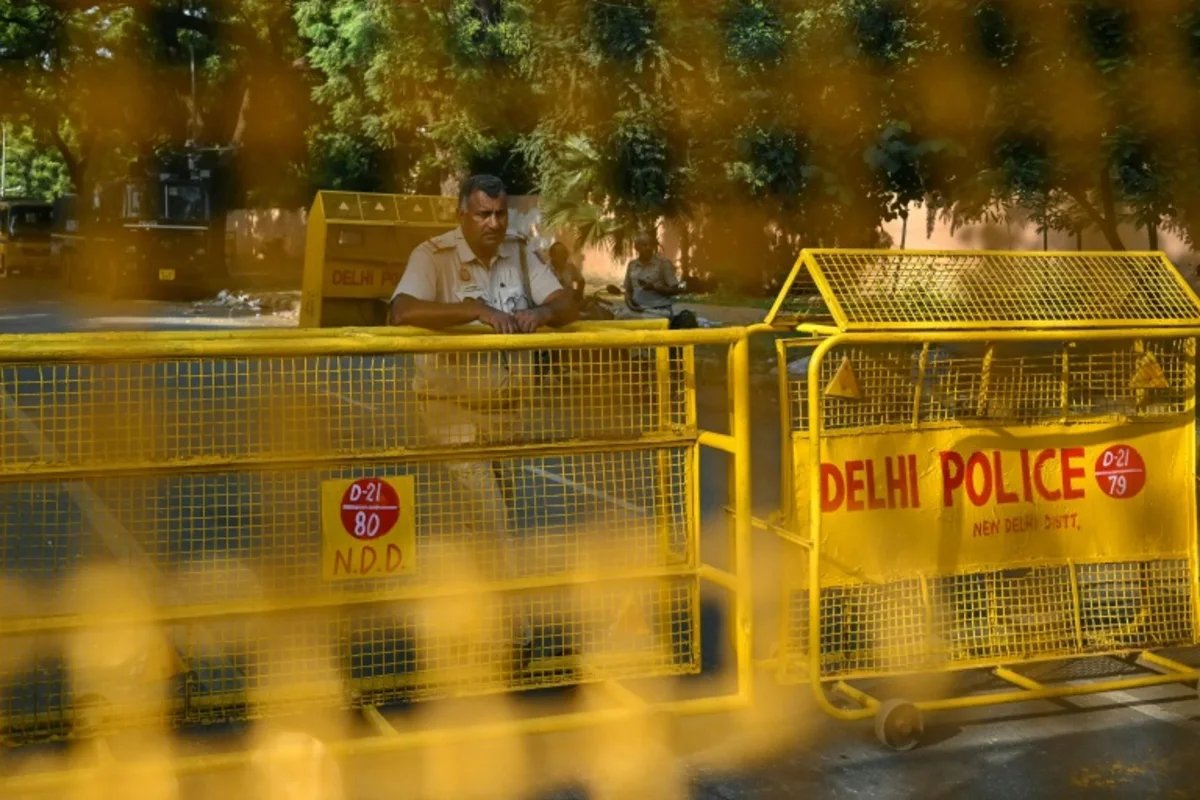
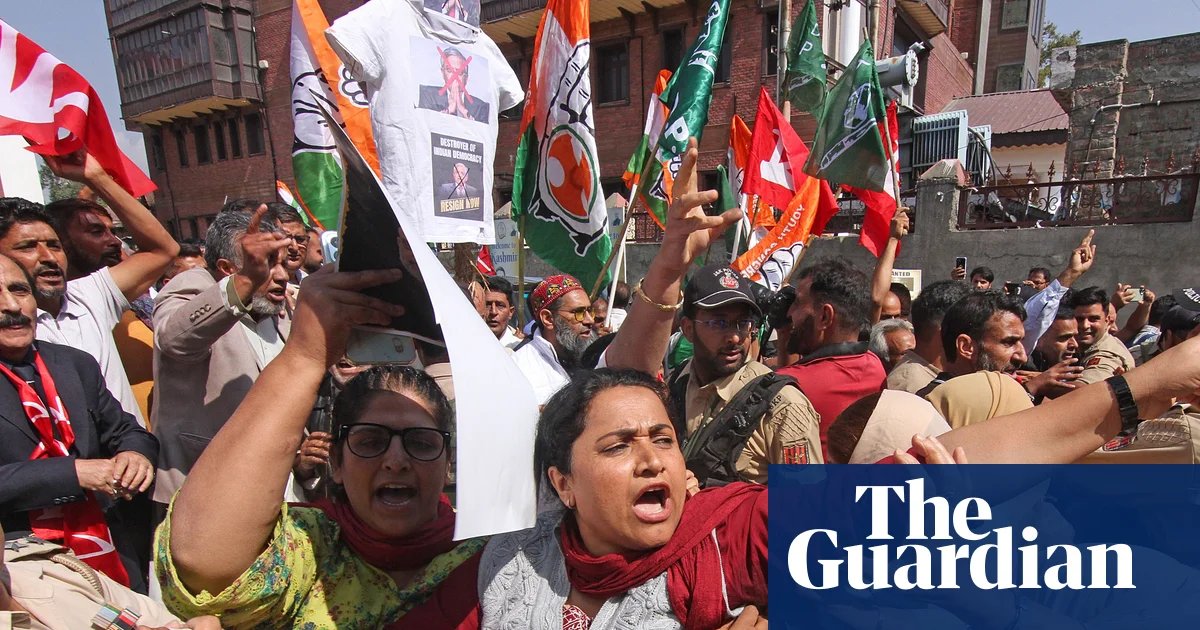
The fallout from the SIR has transcended political rhetoric, manifesting as a youth-led protest movement. The “Cockroach Janta Party” (CJP) has led rallies in Delhi, resulting in widespread arrests and the shuttering of key city infrastructure by police. The protesters are demanding the immediate resignation of Gyanesh Kumar, accusing the commission of acting as an arbiter of citizenship—a mandate well beyond its legal scope.
While the BJP maintains that the exercise is transparent and that affected citizens can simply re-enroll, the opposition insists that the damage is systemic. As the Supreme Court weighs petitions challenging the legality of the mass deletions, the political atmosphere remains charged. For millions of Indians like 80-year-old Mohammad Hedayet Ullah Siddiqui—whose family has served India for generations—the loss of a vote is more than a bureaucratic error; it is a profound humiliation and a source of constant, existential terror in a country they have called home for a lifetime.
Disclaimer: This content is auto-generated for informational purposes only.
Source: Read Original News