








The End of an Era: Jantar Mantar Stripped of Status as Delhi’s Protest Hub
For more than three decades, the historic stretch of road beside the 18th-century Jantar Mantar observatory has served as the heartbeat of Indian democracy. It was the place where the disenfranchised, the aggrieved, and the hopeful converged to hold the corridors of power accountable. However, that legacy now faces an abrupt end after Delhi Police officially de-notified the site as an authorized venue for public demonstrations.
The sudden order, issued this Monday, provides no specific rationale for the move. Coming on the heels of mounting tensions between authorities and the youth-led “Cockroach Janta Party” (CJP) movement, the decision has sent shockwaves through the activist community, sparking a fierce debate over the shrinking space for dissent in the world’s largest democracy.
A Symbol of Resistance Under Threat
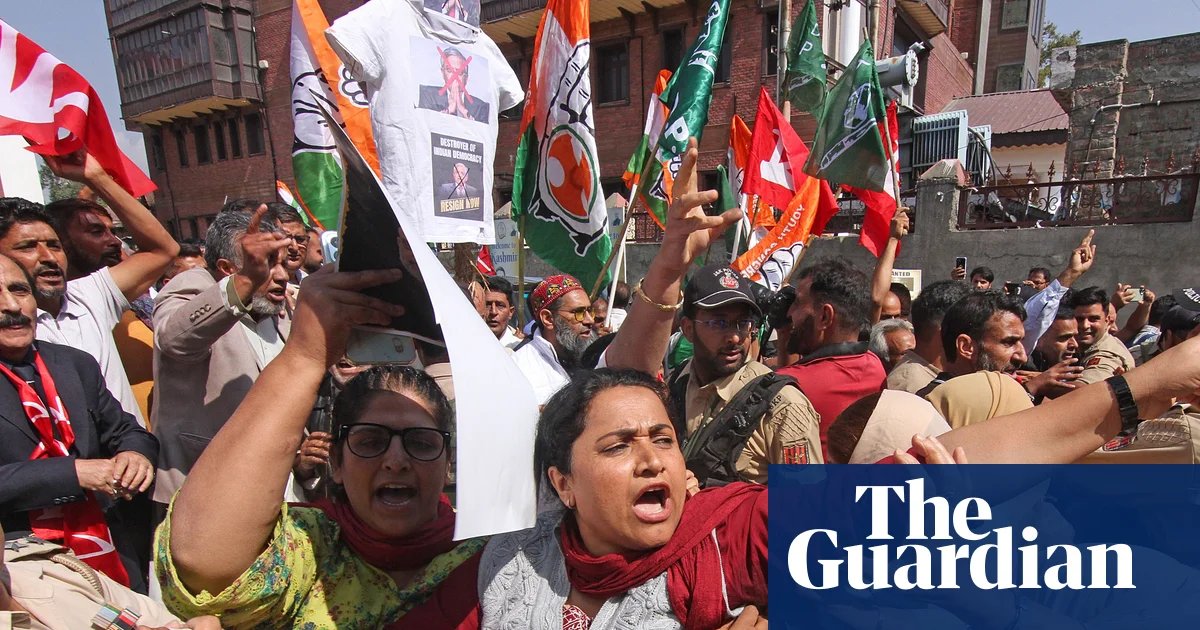
The Jantar Mantar stretch gained its reputation as the “protest capital” of India in 1993. Since then, it has witnessed thousands of demonstrations ranging from retired military veterans demanding pension reforms to student activists fighting for educational integrity. Most recently, the CJP movement transformed the site into a vibrant hub of Gen-Z activism, fueled by anger over alleged irregularities in national exams and controversial revisions to electoral rolls that many fear will lead to mass voter disenfranchisement.
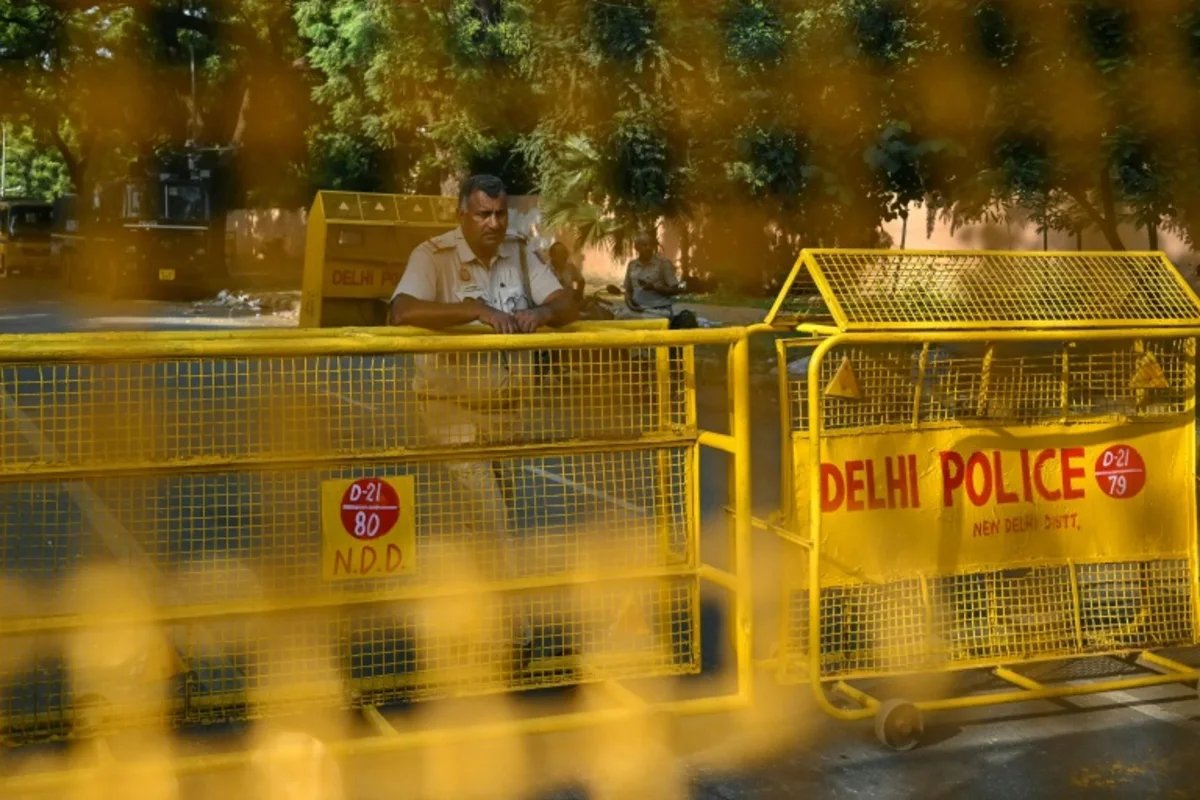
The government’s decision to shut down the site follows a series of confrontations. When CJP activists attempted to march toward the parliament earlier this month, they were met with rigid police barricades. By Tuesday, the site’s status as a prohibited area was enforced by the detention of protestors attempting to “reclaim” the space, marking the beginning of what activists call a dangerous shift in state policy.
The Geography of Democracy
While the Delhi Police have offered alternative locations on the city’s outskirts and at the more distant Ramlila Maidan, human rights campaigners argue that location is inseparable from the right to protest.
“Jantar Mantar is at the centre of the town; it is connected and sits adjacent to the seat of power,” explains activist Shabnam Hashmi. “Moving protests to the periphery is a calculated move to curb dissent by ensuring that the voices of the people are neither seen nor heard by those in government.”
Critics of the ban point out that moving demonstrations to remote areas significantly raises the cost of attendance for protesters traveling from distant states and minimizes media coverage. By isolating dissent, they argue, the government effectively silences the very grievances that are supposed to inform public policy.
A Polarized City
The move has drawn mixed reactions from Delhi residents. For some, the order is a long-overdue return to order. Local residents have frequently cited the noise, mounting garbage, and constant road blockades caused by long-term protests as a disruption to their daily lives. Former Delhi Police commissioner Kiran Bedi echoed these sentiments, suggesting that while democratic expression is vital, the “sensitive” nature of the Jantar Mantar area makes it an unsuitable location for sustained public agitation.
However, for those on the frontlines of activism, the “spirit of resistance” attached to the observatory cannot be relocated by a government order. As CJP founder Abhijeet Dipke asserted, the site is not merely a geographic location but a symbol of the democratic compact. Despite the threat of detention and the heavy presence of security forces, some activists have vowed to continue their civil disobedience, promising to return to the site that has defined the rhythm of Indian political life for over thirty years.
Disclaimer: This content is auto-generated for informational purposes only.
Source: Read Original News