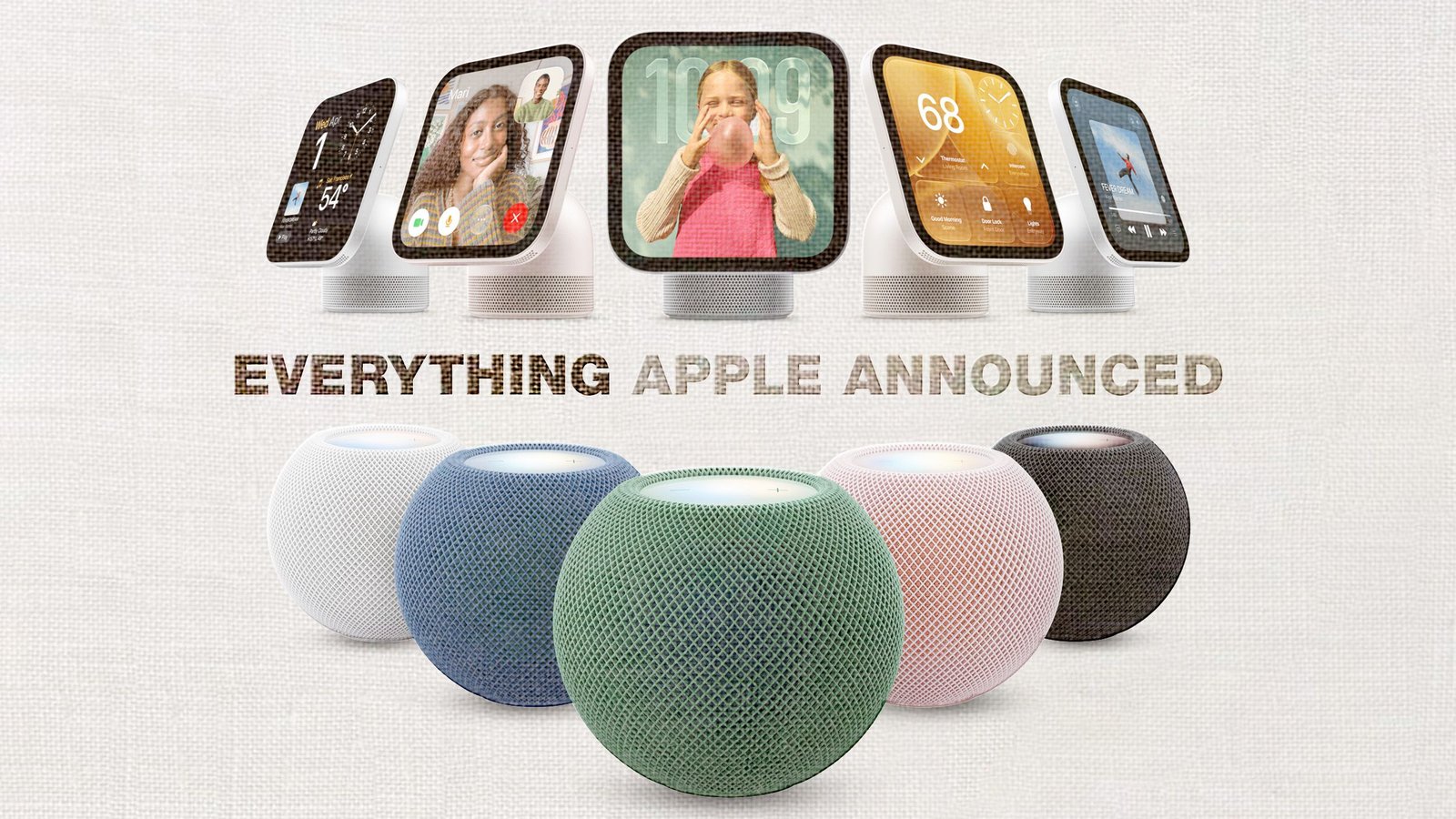









The technology landscape is bracing for a significant shift as Apple prepares to round out its October release schedule. Following the debut of the HomeView smart home hub and a refreshed Apple TV 4K, the company is reportedly readying a secondary wave of hardware announcements slated for late October. This series of updates covers everything from mobile communications to professional-grade computing power, signaling a comprehensive refresh of the hardware ecosystem.
The iPhone Duo and Mobile Connectivity
A primary point of interest for the consumer market is the upcoming iPhone Duo. With pre-orders scheduled to commence on October 16 and a full market launch following on October 23, this device represents the latest iteration in Apple’s smartphone lineup. The rollout strategy includes an initial launch phase followed by expansion into additional international markets by October 30.
The iPhone Duo serves as a critical bridge in the current mobile product cycle, integrating closely with the accompanying iOS 27.2 software update. While technical specifics regarding the hardware architecture remain a focus for analysts, the rollout timeline suggests a deliberate pace to ensure supply chain stabilization across global regions. Following the October 23 launch, the device will be scrutinized for its performance efficiency and its integration with the recently announced Siri AI features, which are becoming a standard requirement for the current generation of Apple hardware.
Revolutionizing the MacBook Pro with OLED and Touch
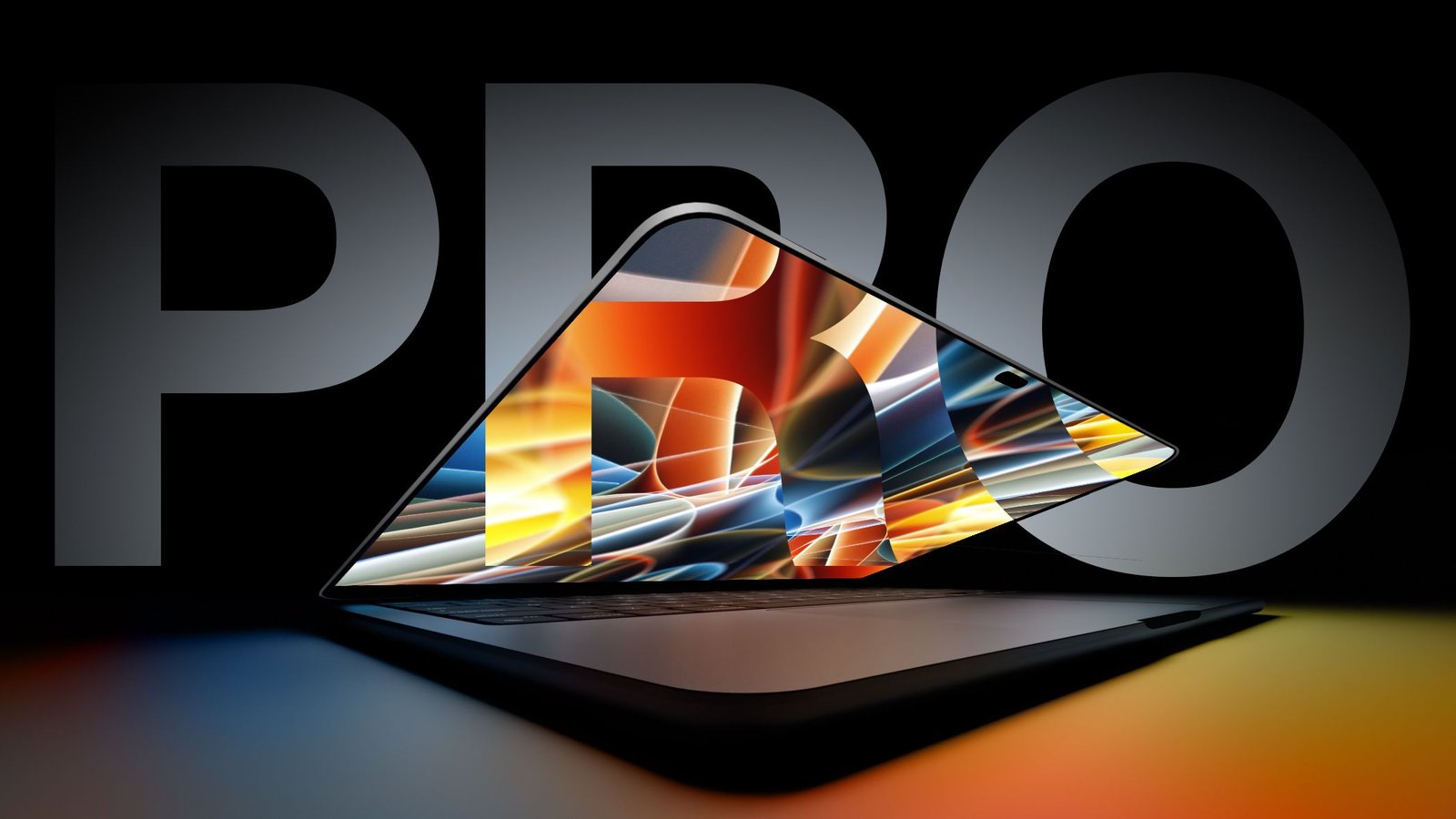
Perhaps the most anticipated hardware announcement is the upcoming OLED MacBook Pro. Scheduled for a potential unveiling on October 27, this device marks a departure from traditional display technology within the Mac line and signifies the first major redesign of the MacBook Pro chassis since 2021.
The integration of an OLED touchscreen display is a technological milestone for the company. OLED technology offers superior contrast ratios, deeper blacks, and improved power efficiency compared to standard LCD or mini-LED panels. By introducing touch functionality to the Mac, Apple is signaling a shift in how professionals interact with high-performance desktop software. Under the hood, the new models will transition to M5 Pro and M5 Max silicon. These chips are engineered to handle heavy creative workloads, including high-bitrate video editing and real-time 3D rendering. The hardware is expected to be physically lighter than its predecessors, addressing previous user feedback regarding the portability of the Pro line.
Strategic Hardware Updates for Desktop and Tablet
The October 27 event is not limited to portable computing. The hardware roadmap includes updates to the iMac, which will likely adopt the M6 chip, and a significant refresh to the iPad mini. The new iPad mini will transition to an OLED display, providing a more refined visual experience for tasks ranging from digital art to document management.
Furthermore, for high-end workstation users, a new configuration of the Mac Studio is expected to arrive in late October. This model will feature a massive 512GB of unified memory. This capacity increase is aimed specifically at developers, researchers, and professional content creators working with large language models or complex machine learning datasets that require massive memory bandwidth. These updates reflect a strategy of segmenting the user base into distinct categories: general consumers, creative professionals, and computational researchers.
Software Integration and Ecosystem Synergy
The hardware launches are heavily supported by a synchronized software rollout. By October 30, users can expect the public release of iOS 27.2, iPadOS 27.2, and macOS 27.2. These updates are intended to provide the necessary firmware support for the new hardware, particularly regarding AI-driven features and advanced hardware-to-hardware connectivity.
The integration of Siri AI is the central theme of this software generation. Across the new Apple TV 4K, HomeView hub, and the upcoming M6-series computers, these software versions are designed to provide consistent, cross-platform voice and task-automation capabilities. For the developer community, these OS updates provide new APIs that leverage the increased overhead of the M6 and A19 chips, allowing for more localized processing of intensive workloads, which reduces dependency on cloud-based computation and improves data privacy.
Content Creator Sessions and Market Impact
To demonstrate the capabilities of the new Mac line and the OLED iPad mini, Apple is reportedly hosting specialized content creator sessions in Los Angeles on October 27 and 28. These events serve as a technical demonstration platform rather than a traditional keynote. By providing members of the media and influential creators with early hands-on time, Apple aims to showcase the real-world utility of the new touchscreen interface and the performance gains provided by the M5 and M6 chipsets.
The decision to stagger the releases—announcing the products in late October while delaying shipping until early November—indicates a manufacturing rhythm designed to build momentum. With potential shipping dates starting as early as November 6, the company is positioning these products to dominate the final fiscal quarter of the year. As the ecosystem continues to coalesce around high-performance custom silicon and AI-assisted workflows, the combination of hardware-level hardware changes and software-driven intelligence marks a pivotal period for the company’s enterprise and creative product lines. Professionals who have been waiting for a hardware cycle to update their workstations will likely find the combination of massive memory configurations and new display technology to be a compelling upgrade path.
Disclaimer: This content is auto-generated for informational purposes only.
Source: Read Original News