








Beyond the Rallies: Rahul Gandhi Shifts Political Strategy to Capture Gen Z and Women Voters
In a departure from traditional, grand-scale campaign rallies, senior Congress leader Rahul Gandhi is spearheading a refined political approach designed to resonate with India’s youngest voters. By prioritizing intimate town halls and high-engagement digital interactions, the Congress leader is attempting to bridge the disconnect between mainstream politics and the daily realities of Gen Z and women.
A Pivot to Grassroots Issues
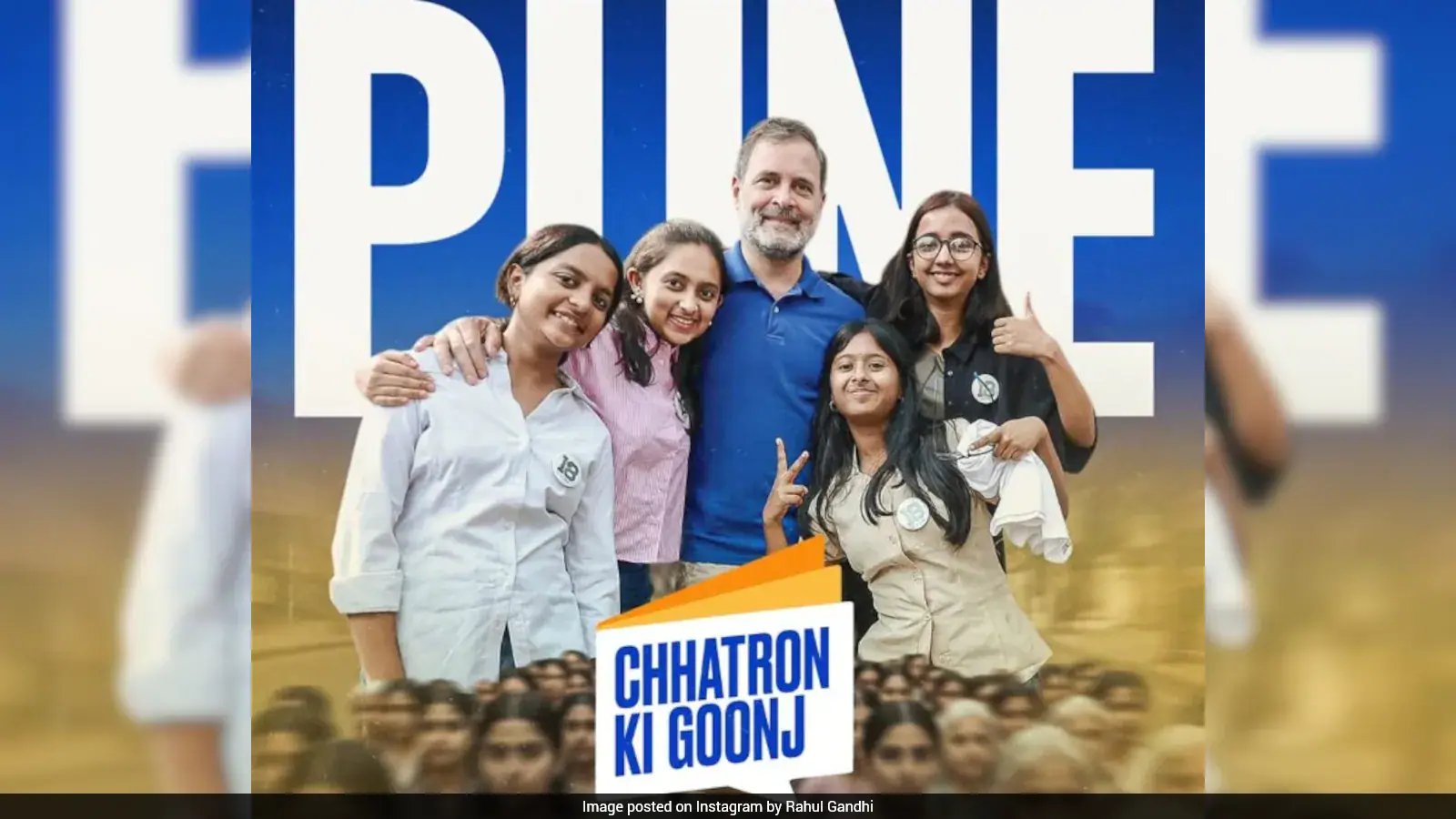
The strategy is centered on the ‘Chhatron Ki Goonj’ (Students’ Echo) initiative, a movement that gained traction by directly addressing the systemic anxieties of students. Rather than focusing on abstract campaign rhetoric, the initiative zeroes in on tangible hardships—such as competitive exam pressures, the fallout from recurring paper leaks, and widespread delays in educational infrastructure. What began as a targeted effort in major student hubs like Kota, Dehradun, and Prayagraj has since expanded into a nationwide dialogue.
This evolving outreach signifies a departure from the "top-down" approach often seen in Indian elections, opting instead for a more direct line of communication with those who feel their concerns are frequently overlooked by the political establishment. As political analysts observe, Rahul Gandhi is effectively rewriting his political strategy to meet Gen Z voters on their own terms.
Giving Voice to Indian Women
Recent events, including a significant gathering in Pune, have signaled a strategic pivot toward the concerns of young women. During these sessions, the conversation moves beyond policy papers to examine the lived experiences of women—touching on issues such as pervasive workplace discrimination, lack of physical safety, moral policing, and the societal pressures surrounding early marriage.
In an invitation to these sessions, Gandhi emphasized the necessity of these candid discussions. "What does it mean to be an Indian woman?" he asked, encouraging participants to voice their personal truths rather than repeating socially acceptable narratives. By sharing stories collected from his own female colleagues—ranging from experiences with patriarchal restrictions to the struggle for professional autonomy—Gandhi is aiming to frame gender equality as a central pillar of his party’s future platform.
Modernizing Political Discourse
The digital component of this outreach is equally deliberate. Recognizing that Gen Z consumes information differently than previous generations, the Congress team has leaned into informal, short-form video content on platforms like Instagram. By replacing scripted speeches with quick-fire Q&A sessions and authentic "behind-the-scenes" glimpses, the campaign is attempting to turn political communication into a two-way conversation.
The objective is clear: by addressing modern concerns such as gig-economy stability, mental health, and the struggle for individual freedom, the strategy seeks to transform the political atmosphere from one of passive spectatorship into active engagement.
As the political landscape continues to shift, this focus on personal narrative and direct interaction marks a notable evolution in how national leaders engage with the country’s youth. Whether this localized, issue-driven approach will yield electoral gains remains to be seen, but it has certainly forced a reconsideration of the traditional "rally-first" model of campaigning.