






SC Ruling on Quota Eligibility is a ‘Historic Blow’ to Appeasement, Says BJP
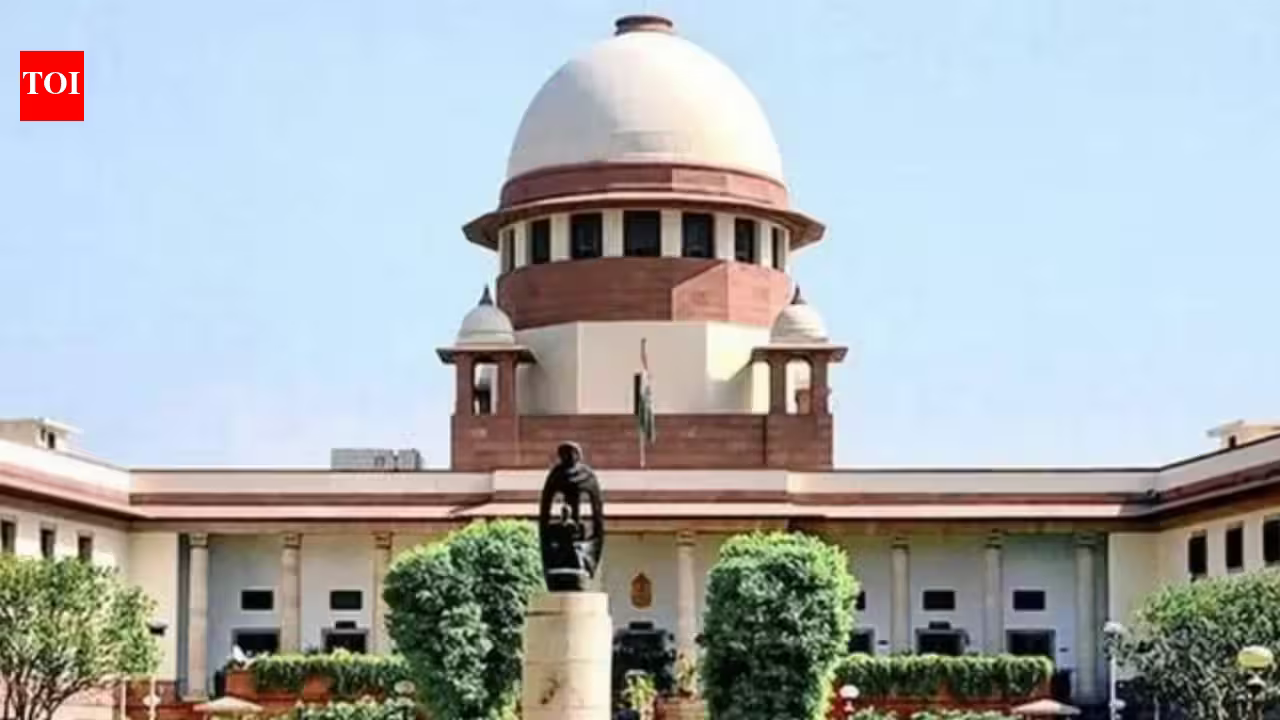
NEW DELHI: In a significant legal and political development, the Supreme Court has ruled that individuals who convert to Islam are ineligible to claim reservation benefits under the backward class category solely based on their conversion. Furthermore, the top court reaffirmed that those who profess religions outside of Hinduism, Sikhism, or Buddhism cannot be categorized as members of Scheduled Castes (SC).
The verdict, which upheld a previous order by the Madras High Court, has been hailed by the Bharatiya Janata Party (BJP) as a landmark decision that upholds the constitutional integrity of India’s affirmative action framework.
BJP Attacks ‘Appeasement Politics’
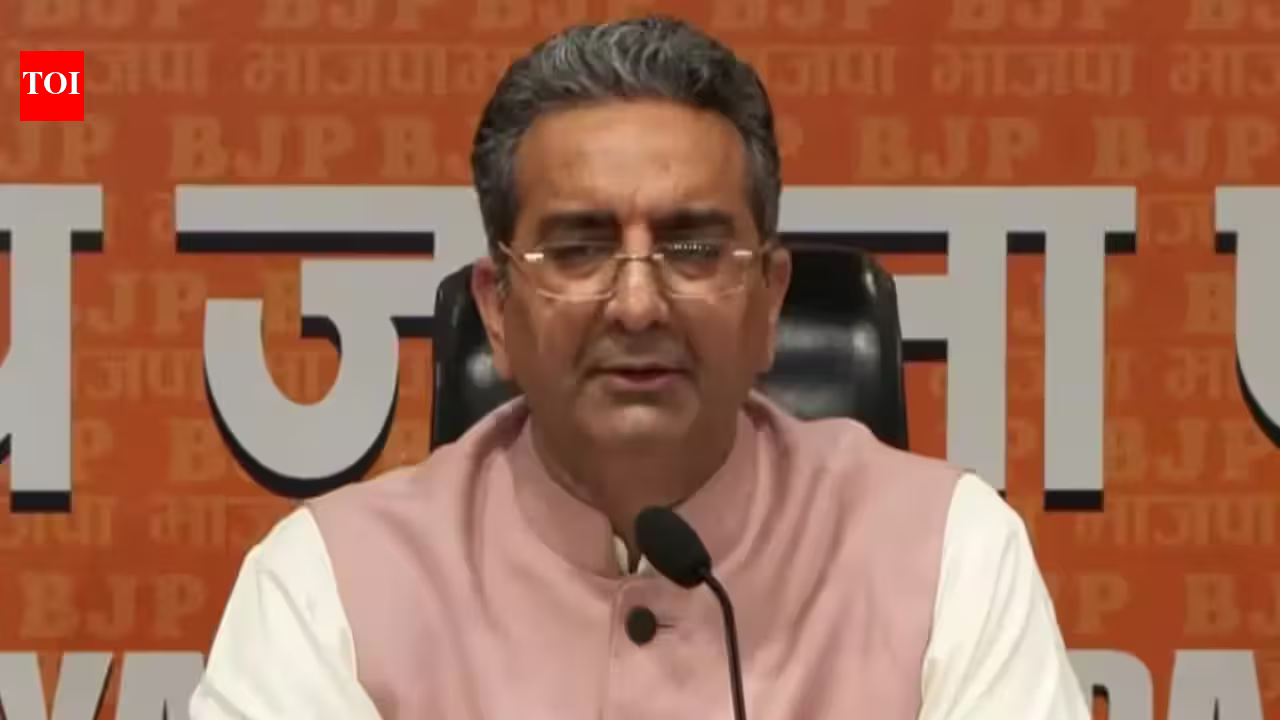
During a press briefing in the national capital, BJP national spokesperson Gaurav Bhatia lauded the judicial intervention, framing it as a major setback for opposition parties. Bhatia characterized the ruling as a “massive blow” to the “appeasement politics” allegedly practiced by the Congress party and its allies.
The BJP has long maintained that reservation benefits are tied to the specific social and historical context of Hindu, Sikh, and Buddhist communities. According to the party, extending these benefits to those who have converted to other faiths undermines the purpose of the reservation system and is often used by political rivals as a tool for electoral vote-bank management.
“The appeasement politics of what we call the ‘Congress Jinnah Party’ has received a historic setback today,” Bhatia stated. He further alleged that successive Congress administrations, alongside other regional entities like the Trinamool Congress (TMC) in West Bengal and the Samajwadi Party (SP) in Uttar Pradesh, have consistently attempted to carve out religion-based quotas within the backward class category. The BJP leader argued that these maneuvers are not only unconstitutional but are also detrimental to the rights of genuine, historically disadvantaged groups.
The Scope of the Judgment
The Supreme Court’s decision clarifies the intersection of religious conversion and state-provided social benefits. By maintaining the specific religious criteria for SC status, the court has effectively reinforced the legislative framework that has existed since the inception of the Indian Constitution.
Legal experts note that the verdict underscores the judiciary’s stance that the Scheduled Caste status is deeply linked to the social realities faced within the Dharmic traditions. The ruling serves to settle ongoing debates in several states where there have been demands to extend reservation benefits to Dalit converts, a move that the Union government has repeatedly opposed in court.
Political Implications
This development is expected to inject fresh energy into the political discourse surrounding reservations ahead of upcoming legislative sessions. The BJP views this as a validation of its ideological stance on secularism and governance, arguing that social welfare schemes should be based on economic and social backwardness rather than religious identity.
As the ruling reverberates through the political landscape, opposition parties are likely to face increased scrutiny regarding their policy platforms on minority welfare and quota distribution. For now, the BJP is positioning this judicial outcome as a triumph for its platform, signaling that it will continue to aggressively challenge any attempts by rivals to introduce religion-based reservations in the future.
Disclaimer: This content is auto-generated for informational purposes only.
Source: Read Original News