








Uncovering Apple’s Secret Vision: New Code Details Camera-Equipped AirPods
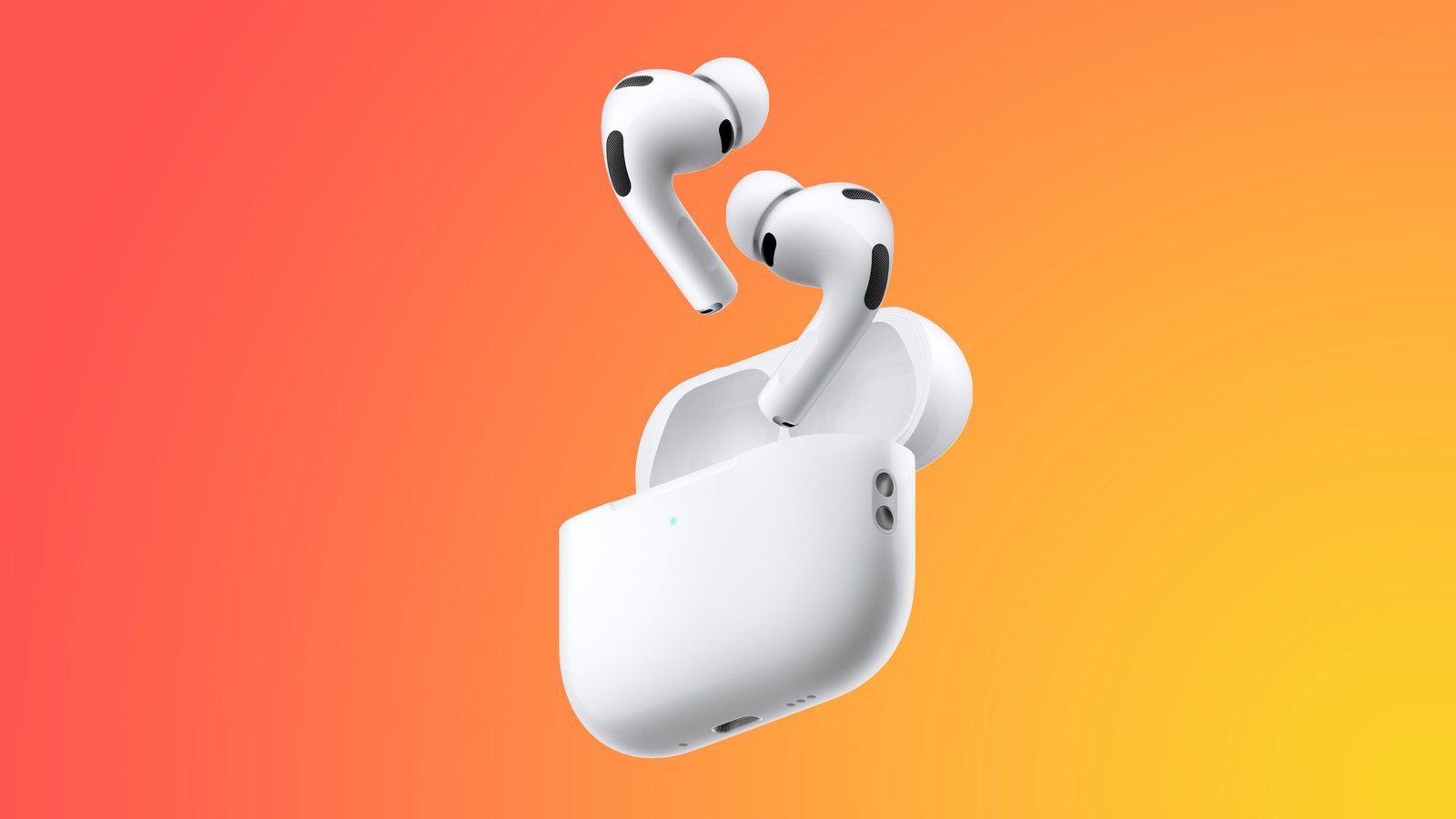
Apple’s ambition to bring artificial intelligence to wearable hardware is moving beyond the screen. Recent discoveries within the macOS Tahoe 26.7 release candidate have provided a granular look at how Apple intends to integrate camera technology into its future AirPods. Through a hidden system framework dubbed "AccessorySensorManager," developers have uncovered technical specifications that suggest a sophisticated approach to "Visual Intelligence."
Stereo Vision and Contextual Awareness
According to findings shared by a MacRumors forum member, the internal code reveals that Apple’s prototype AirPods are designed to capture synchronized RGB images from both the left and right earbuds. By utilizing two individual camera sensors, the device can effectively triangulate the user’s surroundings, providing Visual Intelligence with a stereoscopic view of the environment.
The system is not designed for traditional photography or video recording. Instead, the cameras function as an ambient sensing tool, capturing still frames to process situational data. The code distinguishes between two distinct modes of operation:
- Active Mode: Likely triggered by Siri, this mode captures 640×640 resolution images, which are then processed into a 1-megapixel output. This high-fidelity capture is intended for more intensive tasks, such as analyzing specific objects or scenes in front of the user.
- Passive Mode: Designed for background environmental awareness, this mode operates at a lower resolution (320×320) and is triggered by contextual cues, such as shifts in audio, changes in head posture, or movement within a predefined area.
Advanced On-Device Processing
To handle the constant stream of visual information, the AirPods incorporate significant local processing capabilities. The framework reveals that the devices perform "peripheral inference"—on-device detection to identify when a person enters the field of view—without needing to rely on a constant connection to a Mac or iPhone.
To ensure accurate data collection, Apple has built-in advanced calibration routines, including lens distortion correction and camera-to-motion sensor synchronization. The system is also intelligent enough to reject frames that are blurry or obstructed by movement, ensuring the AI only processes high-quality input.
Privacy and Future Prospects
Addressing privacy concerns, the code indicates the inclusion of a hardware-based capture indicator light. This LED would allow others in the user’s vicinity to know when the AirPods are actively processing visual data, a crucial feature for the device’s public acceptance.
While these insights offer a tantalizing look at Apple’s R&D, they may represent a stepping stone rather than the final product. Industry analysts, including Bloomberg‘s Mark Gurman, suggest that the specific "B790" prototype seen in demo videos—which appeared to be a modified version of the AirPods Pro 3—has been sidelined. Apple is reportedly pivoting toward a new project, codenamed "B798," which is expected to refine these features further.
With a potential launch window targeting 2027, possibly coinciding with the 20th anniversary of the iPhone, these camera-equipped AirPods represent a significant shift in Apple’s wearable strategy. By turning earbuds into an AI-powered visual companion, the company is aiming to redefine how we interact with the physical world through a lens of augmented intelligence.

![Pixel Watch 5's AI face generator keeps it feeling fresh [Gallery]](https://dailysamchar.in/wp-content/uploads/2026/08/pixel-watch-5-create-face-1.jpg)