








Trump Administration Moves to Challenge American Bar Association’s Law School Accreditation Power
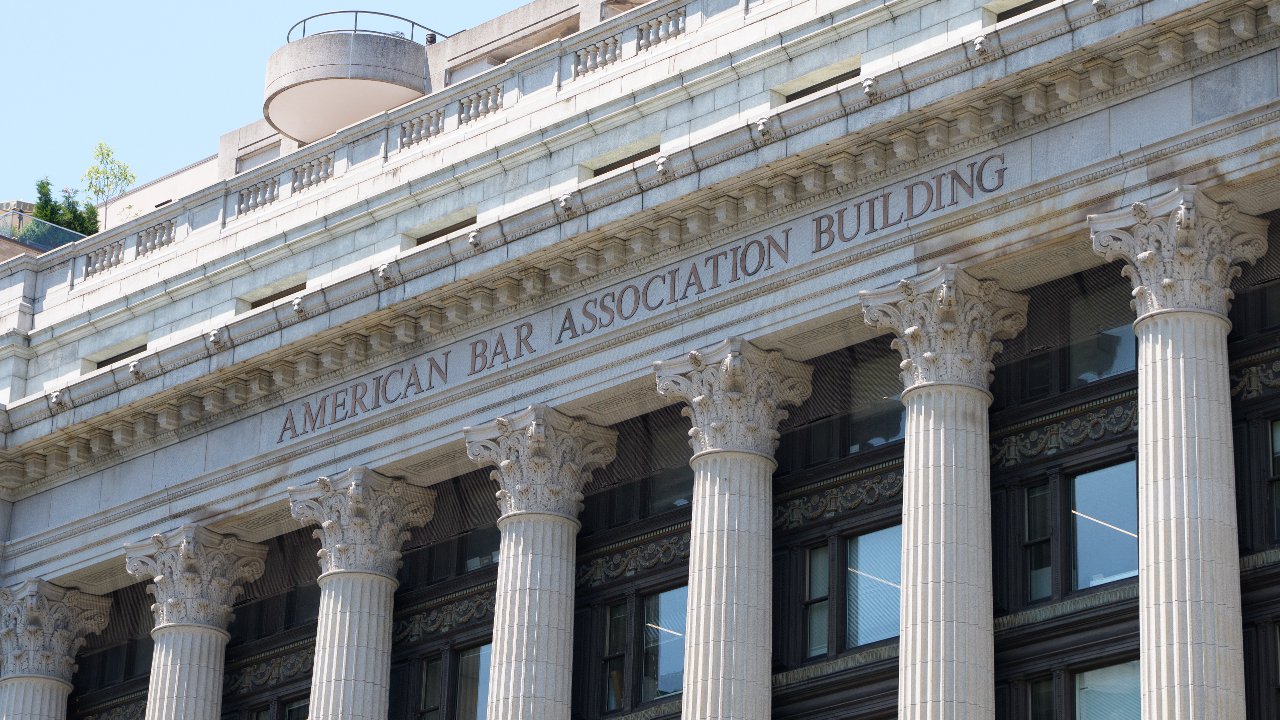
The Trump administration has initiated a significant effort to curtail the long-standing authority of the American Bar Association (ABA) to accredit the nation’s law schools, a role the organization has held since 1952. The move marks a high-stakes escalation in the federal government’s oversight of legal education.
The White House, backed by a coalition of congressional Republicans, has leveled sharp criticism at the ABA, alleging that the organization has leveraged its position as a "gatekeeper" of legal education to mandate diversity, equity and inclusion (DEI) ideologies within law school curricula.
Internal Review Cites Lack of Independence
The push to strip the ABA of its federal status follows a 500-page Department of Education report, which argues that the ABA’s accreditation arm lacks the necessary independence from the legal profession itself to serve as an objective overseer.
In a statement provided to Fox News Digital, a Department of Education spokesperson confirmed that internal staff reviews have concluded the ABA is currently "out of compliance" with federal regulations governing accrediting agencies.
"We will not comment on details as the process is ongoing and involves multiple stages of review, including by an independent, bipartisan advisory committee in September," the spokesperson stated.
Why Accreditation Matters
The ABA’s influence is profound; its Council of the Section of Legal Education and Admissions to the Bar is the sole accreditor of Juris Doctor (J.D.) programs recognized by the Department of Education. For most law students, graduating from an ABA-approved institution is a mandatory requirement to sit for the bar exam in the vast majority of U.S. states.
Furthermore, under the Higher Education Act of 1965, only institutions accredited by a federally recognized body are eligible for federal student financial aid. Should the administration successfully move to dismantle the ABA’s current status as a federal gatekeeper, it would disrupt the pipeline of federal funding for law schools across the country.
The ABA Fires Back
Melissa Hart, chair of the ABA’s Accreditation Council, maintains that the organization is fully compliant with federal standards. She suggested that the conflict may stem from a fundamental misunderstanding of the ABA’s role.
"Although it is difficult to comment on a recommendation we haven’t yet received, we look forward to the opportunity to address any misconceptions and clarify the record at our upcoming hearing," Hart said. She emphasized that the ABA’s primary goal remains producing "competent, ethical attorneys" and noted that the outcomes from accredited law schools remain the industry standard.
Uncertain Path Ahead
The process of decertifying an accreditor is complex and lengthy. Under the Higher Education Act, the Secretary of Education must provide notice and a formal hearing process before terminating recognition. Typically, agencies are granted up to 12 months to rectify compliance issues.
While law schools affiliated with larger universities might be able to pivot to other institutional accreditors to maintain their access to federal student aid, the future for independent, freestanding law schools is less clear. There are currently no other federally recognized accreditors specifically for J.D. programs, and the administration has yet to offer a detailed plan on how these institutions might navigate a post-ABA accreditation landscape.
The Department of Education’s recommendation will next head to an independent panel for review before reaching Undersecretary of Education Nicholas Kent for a final decision.