








Across the United States, a new wave of physical storefronts is transforming how Latino entrepreneurs navigate the modern economy. From San Francisco’s Mission District to the suburbs of Phoenix, community-focused hubs are providing more than just retail space; they are acting as vital incubators that leverage technology, mentorship, and collective action to overcome systemic barriers.
## Bridging the Digital and Physical Gap
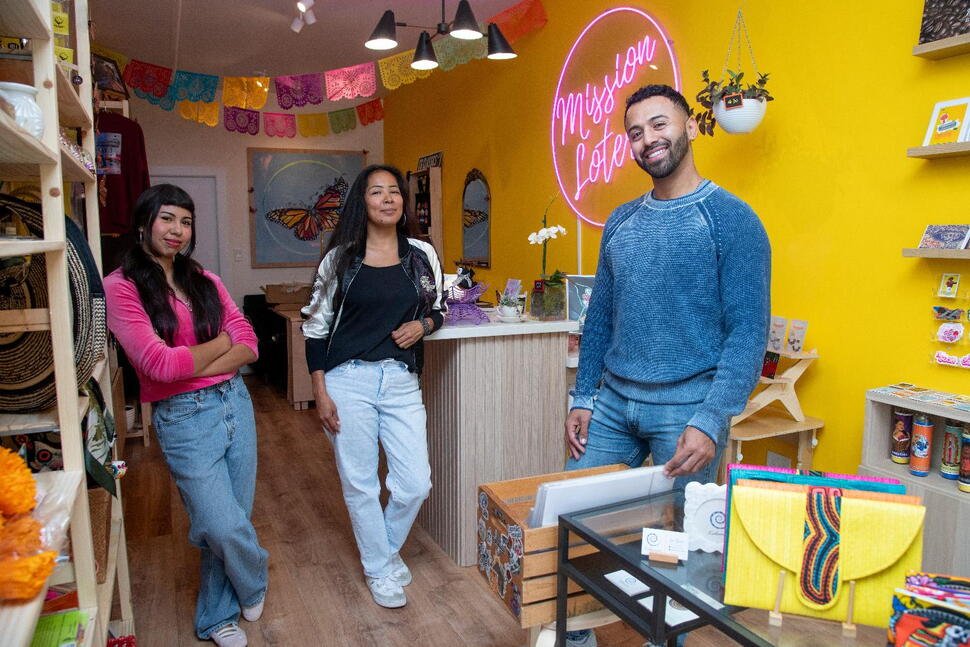
For many of these entrepreneurs, success in today’s high-priced market requires a sophisticated blend of traditional brick-and-mortar presence and digital savvy. Founders like Luis Quiroz of San Francisco’s “Mission Lotería” are utilizing the physical store to create content that sustains their online brands. The shop is currently being retrofitted to include a dedicated podcast and production room, designed to broadcast the stories of local makers to a global audience via social media and streaming platforms.
This digital-first approach helps creators like Yesi Chavez—who sells goods through these incubators—reach wider markets. By displaying her merchandise in high-traffic physical hubs, she gains the social proof needed to drive sales during pop-up events and online transactions. The strategy aligns with modern consumer habits, where shoppers discover products through curated online feeds and confirm their quality in person at community-oriented spaces.
## AI and Data-Driven Support Systems
As Latino businesses grow at three times the rate of the general population, organizations are turning to structured data and digital tools to bridge the “access gap.” In North Central Massachusetts, the newly formed Latino Initiative for Development of Entrepreneurship and Resources (LIDER) is utilizing modern outreach tools to connect business owners with vital resources. By offering educational workshops and networking events—some hosted via Zoom to accommodate those concerned about immigration enforcement—these groups are ensuring that marginalized entrepreneurs can access banking, PR, and administrative guidance without needing to compromise their safety.
Similarly, in Arizona, the Amor Collective has digitized its mentorship model. Founder Stephanie Vasquez uses video-conferencing technology to keep the community connected, allowing entrepreneurs to attend professional development meetings on topics like finance and marketing, regardless of their location. This integration of remote collaboration software is a critical component in mitigating risk for small business owners who may be hesitant to attend in-person gatherings in sensitive political climates.
## Economic Resilience in a Changing Landscape
Despite the optimism surrounding these hubs, the economic reality remains challenging. With data from the U.S. Bureau of Labor Statistics indicating that Hispanic female workers continue to face a significant wage gap, these storefronts act as necessary safe harbors. By pooling resources and sharing overhead costs, these incubators allow entrepreneurs to experiment with new products—from artisan jewelry to cultural home goods—with lower financial stakes.
Municipalities are increasingly recognizing the ROI of these programs as well. When nonprofit storefronts succeed, they revitalize neighborhoods and foster local tax bases. The recent success of city-led grant programs has provided the necessary seed money for projects like Mission Lotería to renovate spaces and install the high-tech equipment needed to thrive.
As these organizations continue to integrate more advanced digital tools—such as automated inventory management for multiple vendors and AI-driven social media promotion—the model for supporting minority-owned businesses is shifting. By transforming into “one-stop shops” that offer event space, digital recording studios, and educational workshops, these hubs are proving that when communities use technology to organize their collective power, they can reshape the local economic landscape in the face of even the most daunting financial headwinds.
Disclaimer: This content is auto-generated for informational purposes only.
Source: Read Original News