








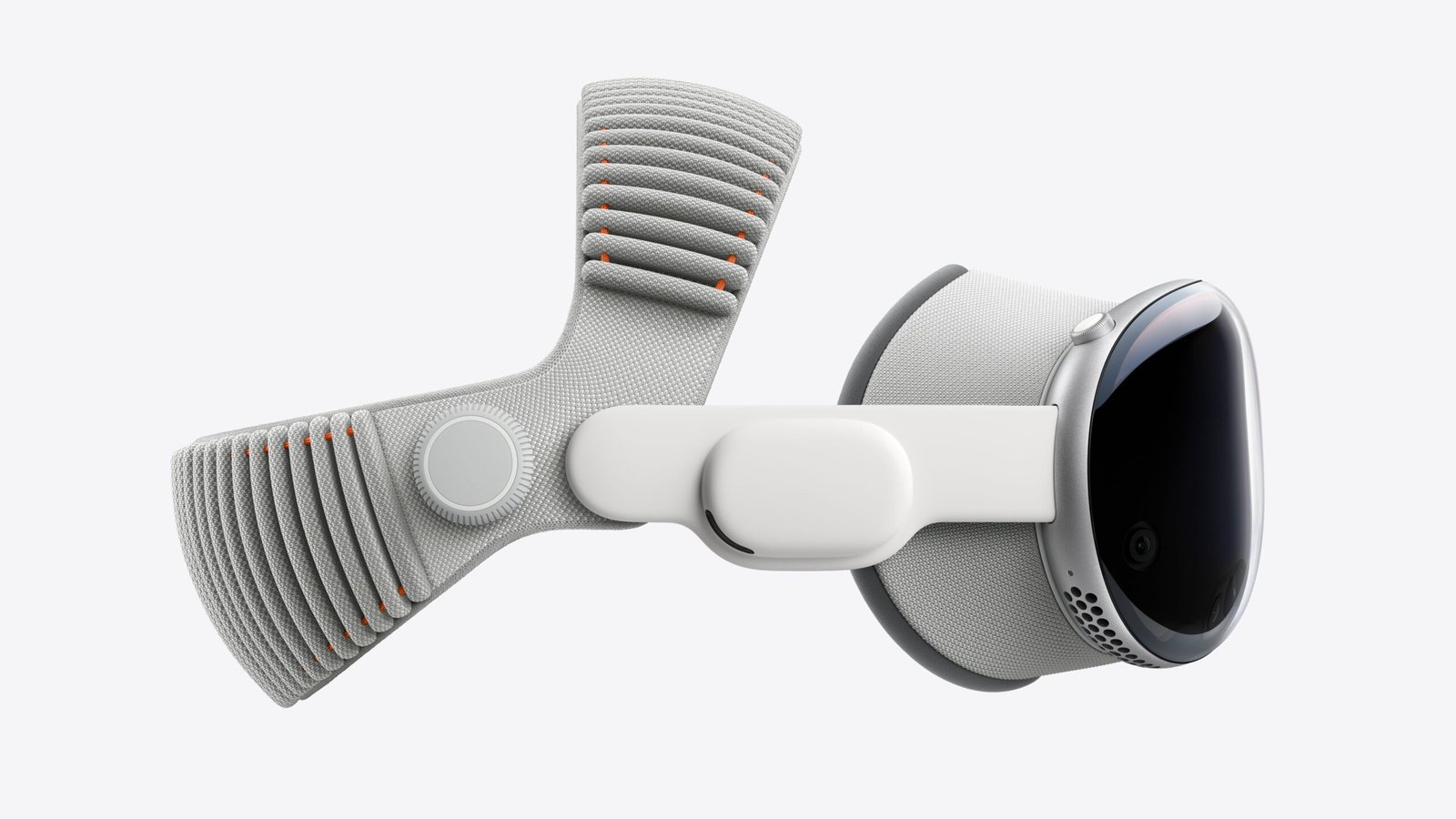
Apple Scales Back Spatial Computing Ambitions with Latest Vision Group Layoffs
Apple has reportedly initiated a new round of workforce reductions within its Vision Products Group, signaling a further retreat from its initial roadmap for high-end spatial computing. According to reports, at least 60 employees have been laid off as the company pivots its hardware strategy toward more lightweight, consumer-focused wearable technology.
The latest development follows a period of mounting uncertainty regarding the future of the Vision Pro product line. Sources indicate that Apple has formally moved to dismantle entire teams previously dedicated to virtual reality development. This decision appears to be the culmination of a broader restructuring effort that began in late 2025, following the lackluster market reception of the original Vision Pro headset and its subsequent hardware refresh.
A Shift in Leadership and Strategy
The strategic pivot has been largely attributed to new leadership. Under incoming CEO John Ternus, Apple has significantly curtailed its roadmap for the Vision line. Industry reports suggest that Ternus has greenlit the cancellation of multiple high-profile projects, including a second-generation Vision Pro headset and the long-rumored, lower-cost "Vision Air" model.
The internal shakeup effectively reflects a change in philosophy at Cupertino. While the company initially positioned the Vision Pro as the flagship of a new era in spatial computing, the hardware’s high price point and bulky form factor struggled to capture a mainstream audience. Consequently, Apple has shifted its internal research and development focus toward the development of advanced smart glasses, which are viewed as a more viable long-term successor to traditional wearable tech.
Stalled Momentum
Evidence of this slowdown has been mounting throughout the year. As recently as last month, reports emerged that Apple had suspended development of the display components intended for a more affordable, lighter-weight version of the headset. Analysts now estimate that Apple is unlikely to launch a successor to the current Vision Pro before late 2028 at the earliest.
Despite the news of the layoffs, Apple continues to provide software support for its existing installed base. The company is currently beta-testing visionOS 27, which integrates updated AI-powered Siri features, and recently released visionOS 26.6.
While the consumer market remains lukewarm, the technology has found niche success in specialized sectors. A recent peer-reviewed study from UC San Diego demonstrated that surgeons using the Vision Pro as their primary display during endoscopic tear duct procedures performed nearly 20% faster than those using traditional monitors.
For now, however, it remains clear that Apple is hitting the brakes on its aggressive spatial computing rollout, opting to refine its vision for the future rather than double down on the current iteration of its headset hardware.