








Former Bureaucrats Defend Election Commission Amid Rising Political Tensions
New Delhi: A collective of 124 retired officers from the Indian Administrative Service (IAS) and the Indian Foreign Service (IFS) has issued a sharp rebuttal against allegations of electoral fraud targeting the Election Commission of India (ECI). The signatories, who have decades of experience managing India’s electoral machinery, warned that baseless accusations of “vote theft” and “rigging” serve only to erode public faith in the nation’s democratic architecture.
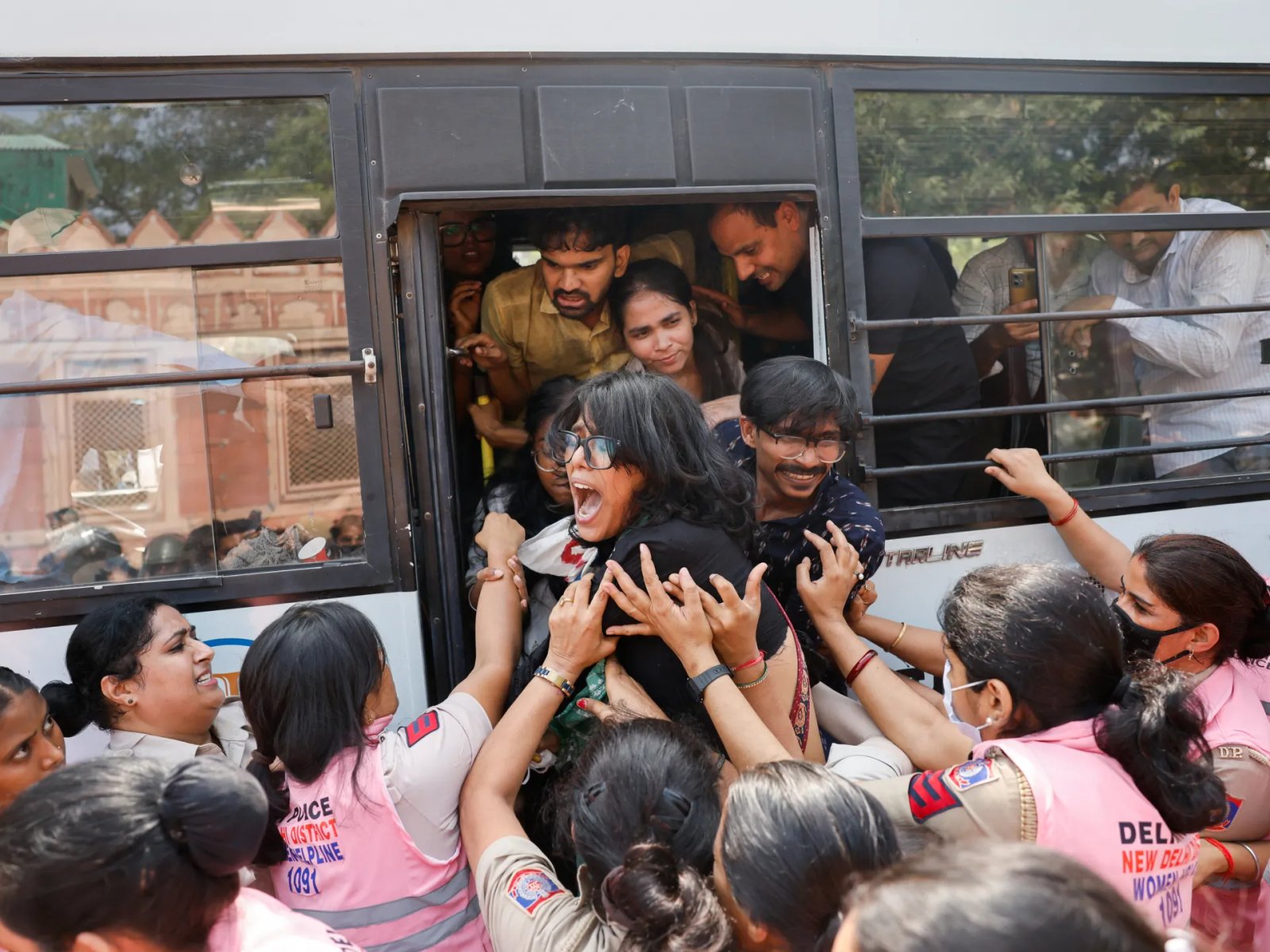
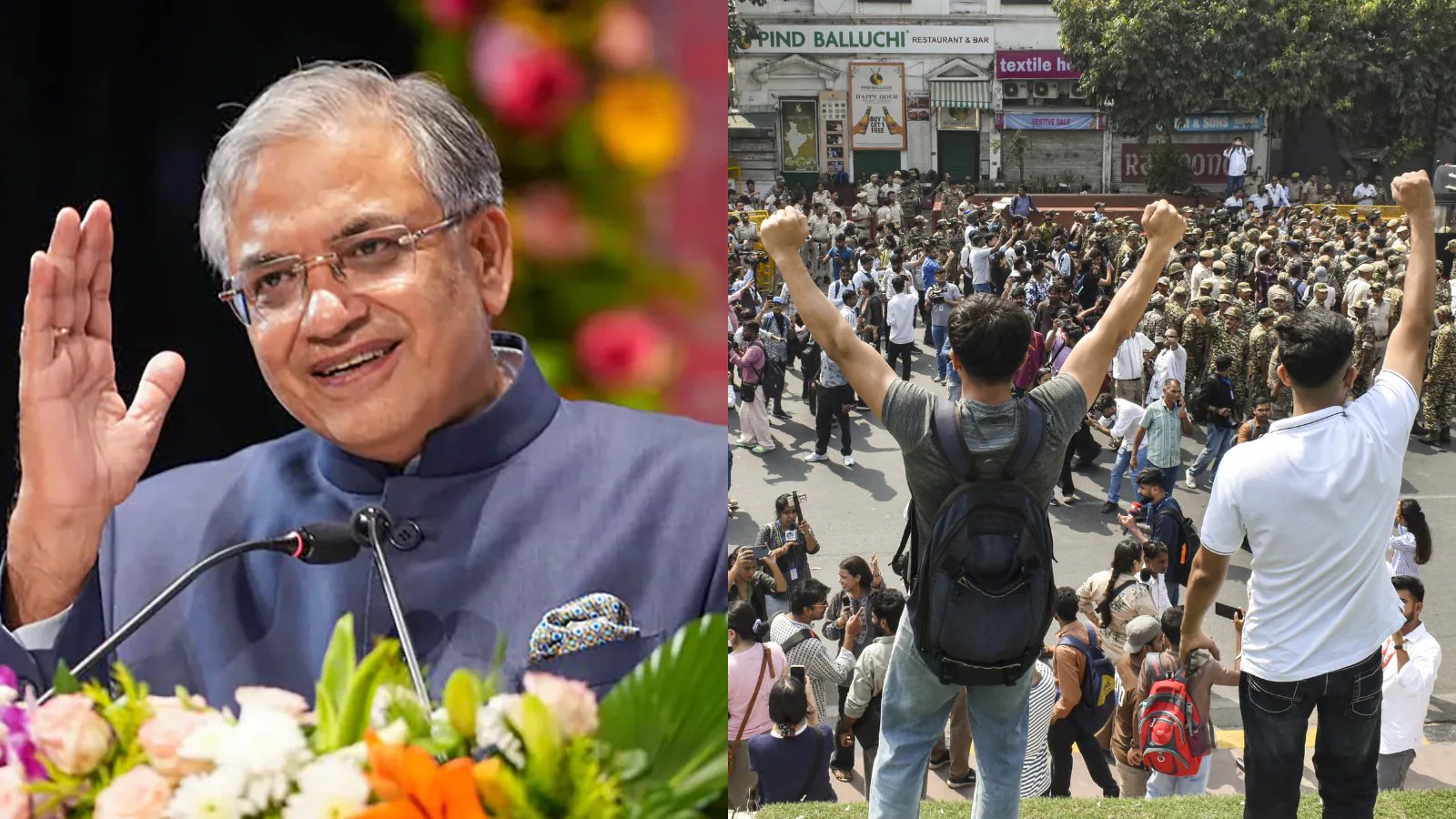
The open letter arrives at a volatile time in the national capital, where prominent Opposition leaders, including former Chief Ministers Mamata Banerjee, Arvind Kejriwal, Pinaradhayi Vijayan, and Manik Sarkar, were recently detained by police. These leaders were participating in protests against the ECI, specifically challenging the Special Intensive Revision (SIR) of electoral rolls and expressing distrust in the commission’s leadership under Chief Election Commissioner Gyanesh Kumar.
Defending the Integrity of the Electoral Process
The group of retired bureaucrats emphasized that their intervention is not politically motivated. Instead, they argued that their professional duty compels them to speak out against narratives that undermine the credibility of an institution they once served.
“We belong to no party,” the statement read. “We write because the word ‘rigged’ is now casually thrown at our elections without a shred of credible evidence, wounding the democratic trust that belongs to every Indian citizen.”
Drawing from their collective experience, the signatories contrasted the modern electoral environment with the lawless conditions of previous decades. They highlighted the historical prevalence of booth capturing, the intimidation of voters, and physical violence—realities that necessitated strict parliamentary interventions in the late 1980s.
Institutional Safeguards and the Bihar Example
The former officers pointed to the 2025 Bihar Assembly elections as a triumph of modern election management. For the first time in the state’s history, the polling process concluded without a single instance of re-polling, accompanied by the highest voter turnout since 1951. According to the letter, this success was not the result of administrative “sainthood,” but rather a system designed to be transparent and self-verifying.
The group outlined the multi-layered security measures in place to prevent manipulation:
- Agent Participation: Every candidate’s representative is present at polling stations and receives a signed record of the votes cast.
- Secured Infrastructure: Electronic Voting Machines (EVMs) are sealed in the presence of political agents and stored in strong rooms that are subject to constant monitoring by candidates.
- Verification: The process includes the matching of paper slips with electronic tallies, a safeguard firmly upheld by the Supreme Court in 2024.
A Challenge to Political Narratives
The signatories argued that for large-scale rigging to occur, tens of thousands of officials from diverse political backgrounds—as well as the opposition parties’ own election agents—would have to collude in total silence. They maintained that no evidence of such a massive conspiracy has ever been substantiated.
Addressing the Opposition’s skepticism, the letter posed a stark question: “If the system you call rigged is the same one that handed you your victories, ask yourself whether it is the system you doubt, or only the result.” The former officials concluded that dismissing democratic outcomes as “rigged” when a party loses is a dangerous tactic that undermines the foundation of India’s electoral democracy.
Disclaimer: This content is auto-generated for informational purposes only.
Source: Read Original News