









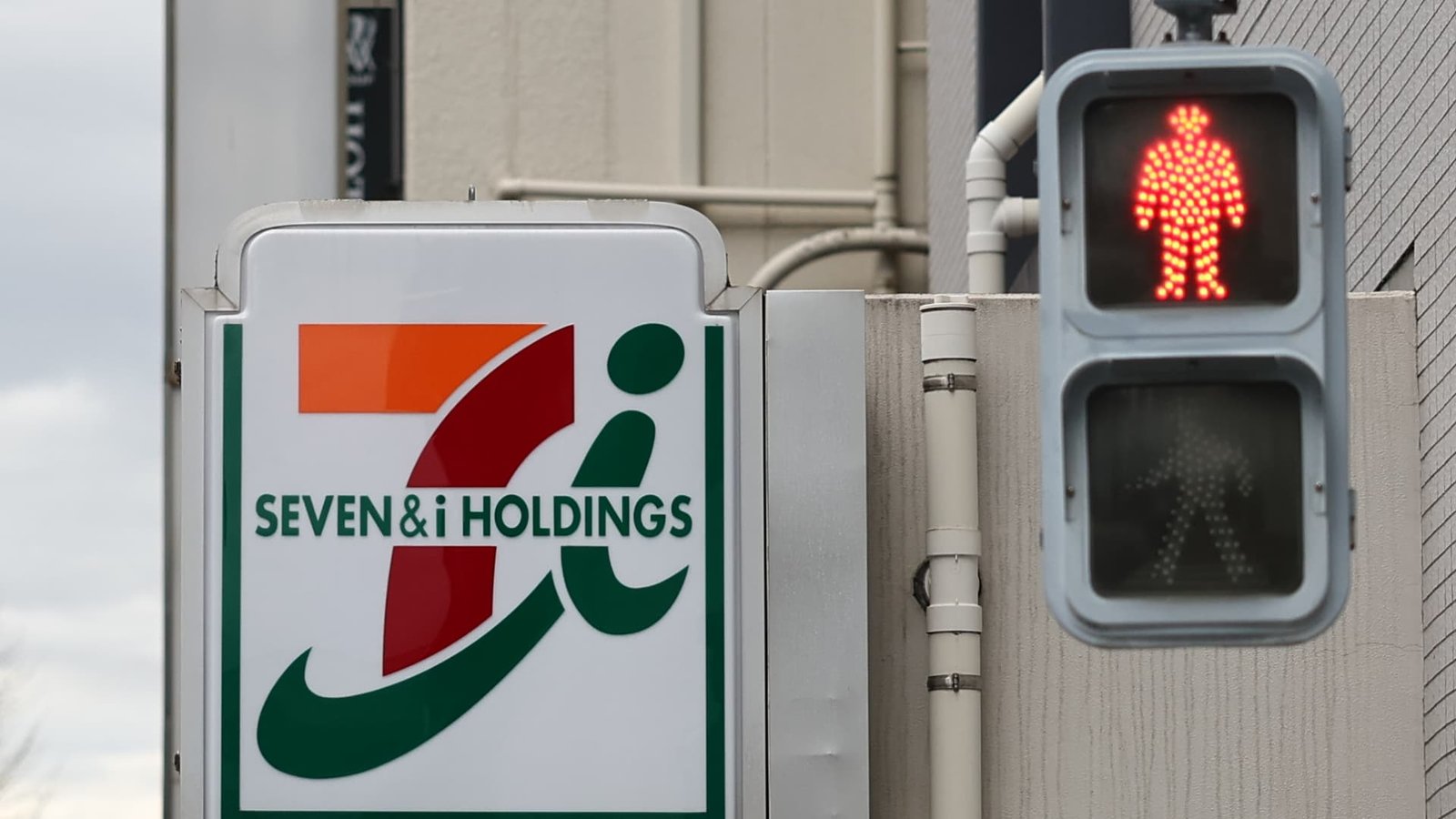
The struggle to establish a foothold in India’s complex retail landscape has hit another roadblock for 7-Eleven. As of late September, all 31 stores operated under the Reliance Retail banner have shuttered, marking the second time the iconic Japanese convenience chain has seen its expansion efforts fall through in the country. Despite the closure, the company maintains that its ambition to capture the Indian market remains firmly intact, even as it looks to pivot its strategy toward more sustainable long-term growth.
## A Stalled Franchise Model
The recent store closures represent a significant setback for the partnership between 7-Eleven and Reliance Retail, the retail arm of Mukesh Ambani’s conglomerate. This collaboration, initiated in 2021 after an earlier deal with Future Retail collapsed, failed to gain the necessary traction to turn a profit. Financial data reveals a stark reality: 7-India Convenience Retail, the entity managing the brand, posted a net loss of approximately 900 million rupees ($9.3 million) for the fiscal year ending March 2026.
Industry analysts suggest that the franchise model may have been the primary culprit. Small-format stores in India face a unique set of pressures, including high real estate costs and the burden of full staffing, which are difficult to offset with the narrow margins typical of convenience retail. When these traditional overheads meet a market saturated with aggressive, tech-driven competition, profitability becomes elusive.
## The Digital Competition and the Convenience Gap
A major obstacle for 7-Eleven has been the rapid evolution of India’s digital retail ecosystem. In major urban centers, consumers are increasingly turning to 10-minute grocery delivery applications. These platforms leverage advanced AI and sophisticated logistics algorithms to offer a breadth of inventory that small brick-and-mortar convenience stores simply cannot match. By utilizing predictive analytics, these delivery giants optimize their inventory and routes, offering a level of speed and product variety that has disrupted the traditional mom-and-pop shop model that 7-Eleven sought to emulate.
For 7-Eleven to succeed in the future, it must bridge the gap between physical accessibility and the digital convenience that modern Indian consumers now expect. Experts point out that moving away from a pure grocery-led model—perhaps by integrating advanced digital engagement tools or tech-forward ordering systems—could provide the differentiation needed to survive in such a crowded market.
## Rethinking the Strategy for 2027 and Beyond
While 7-Eleven evaluates its next steps, its rival, Lawson, is preparing for a different approach. Reports indicate that Lawson plans to enter the Indian market by 2027, aiming for 100 stores by 2030 through a local subsidiary that allows for direct management rather than relying solely on a master franchise agreement. This shift toward direct control could serve as a blueprint for 7-Eleven.
By taking a more hands-on, localized approach, the company could gain the flexibility required to adapt its product offerings to local tastes while better integrating its operations with the current technological landscape. Whether 7-Eleven chooses to move toward a corporate-led structure or attempts a revamped partnership, the consensus among observers is that the brand is not leaving India for good. Instead, the current pause signals a necessary strategic reset, forcing the company to reconsider how it positions itself in a country where the intersection of traditional retail and cutting-edge tech is setting the pace for global consumer trends.
Disclaimer: This content is auto-generated for informational purposes only.
Source: Read Original News