







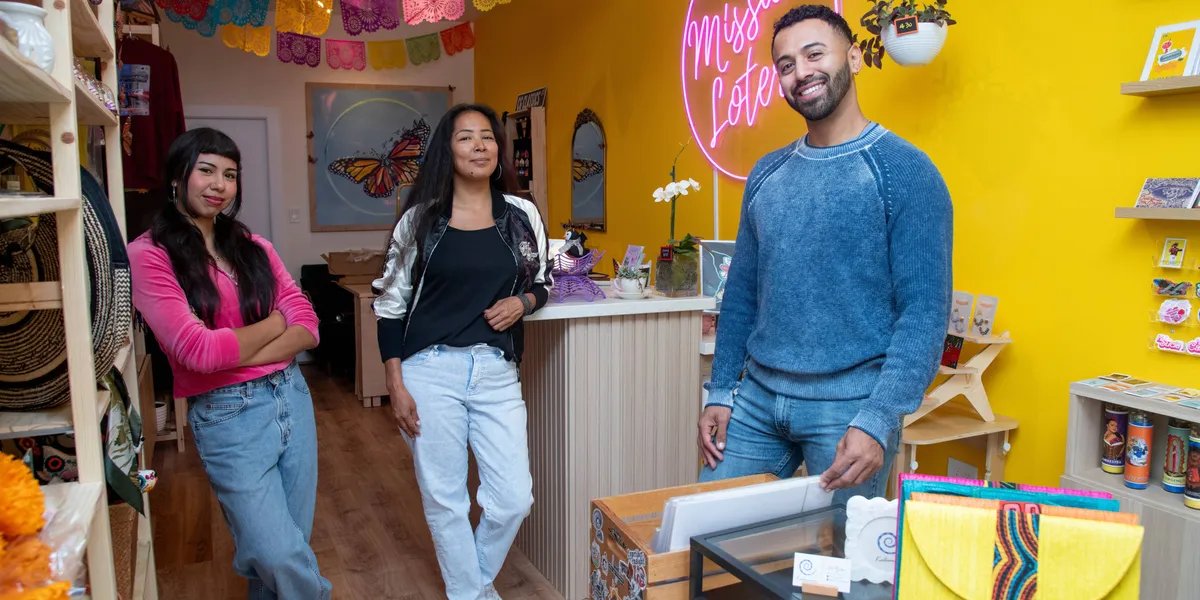
In the heart of San Francisco’s Mission District, a vibrant storefront adorned with neon pink signs and multicolored paper garlands stands as a testament to the resilience of the local Latino community. Mission Lotería, a nonprofit organization that spent seven years championing neighborhood businesses, has finally opened its own physical space. This brick-and-mortar location serves as more than just a retail shop; it is a critical hub providing Latino artists and entrepreneurs with the resources, visibility, and professional guidance needed to survive in one of the nation’s most expensive economic landscapes.
## Bridging the Digital and Physical Divide
While physical locations like Mission Lotería provide essential community gathering spots, these entrepreneurs are increasingly leveraging digital tools to scale their reach. Luis Quiroz, the founder of Mission Lotería, recognizes that modern success requires a hybrid approach. The shop is currently undergoing renovations to include a dedicated podcast and content creation room. By integrating AI-driven social media tools and high-quality multimedia production, Quiroz plans to broadcast the stories of local makers to a global audience.
This digital pivot mirrors a broader trend: Latino-owned businesses are utilizing data analytics and e-commerce platforms to mitigate risks associated with economic instability. Whether it is through Shopify storefronts that integrate seamlessly with local pop-ups or using algorithmic content strategies to boost brand awareness, these business owners are proving that traditional heritage and modern tech are not mutually exclusive.
## Tech-Driven Incubators for Marginalized Voices
Across the country, similar initiatives are emerging to address the historical “access gap” faced by minority entrepreneurs. In Phoenix, Stephanie Vasquez’s Amor Collective functions as a business incubator. Beyond providing physical shelf space for goods like artisan candles and jewelry, Vasquez uses digital platforms—specifically Zoom—to ensure that business owners living in fear of immigration crackdowns can access training in public relations, banking, and strategic planning without compromising their safety.
This focus on inclusivity is being mirrored by institutional shifts as well. The North Central Massachusetts Chamber of Commerce recently launched LIDER (Latino Initiative for Development of Entrepreneurship and Resources), an effort that leverages modern networking technology and educational materials—many available in Spanish—to support the record-breaking rate of Latino business formation. By utilizing digital outreach, these chambers are making professional development accessible to rural and urban entrepreneurs alike, ensuring that information is no longer a privilege reserved for the few.
## The Future of the “Community-First” Economy
As these hubs evolve, they are setting a new standard for how local economies can function in a high-tech world. While platforms like Google are constantly updating their local search algorithms to better highlight minority-owned businesses, the real work is happening on the ground. Entrepreneurs like Yesi Chavez, who stocks her goods at Mission Lotería, note that the synergy between physical display space and the digital verification of their brands on search engines has been a game changer.
Looking ahead, these collectives plan to become more than just retailers. They aim to be “one-stop shops” for community life, blending craft classes, live event hosting, and multimedia production studios. By combining the emotional support of a local neighborhood network with the scalability of digital content creation, these Latino leaders are crafting a blueprint for the future of small business—one that treats cultural pride and economic empowerment as inseparable components of the American dream. Whether through a $50,000 city grant or a viral YouTube video, these businesses are proving that when communities leverage both collective action and modern tools, the “high risk” of entrepreneurship can indeed yield high rewards.
Disclaimer: This content is auto-generated for informational purposes only.
Source: Read Original News