







Elon Musk Escalates War of Words with Mukesh Ambani Over Starlink Licensing
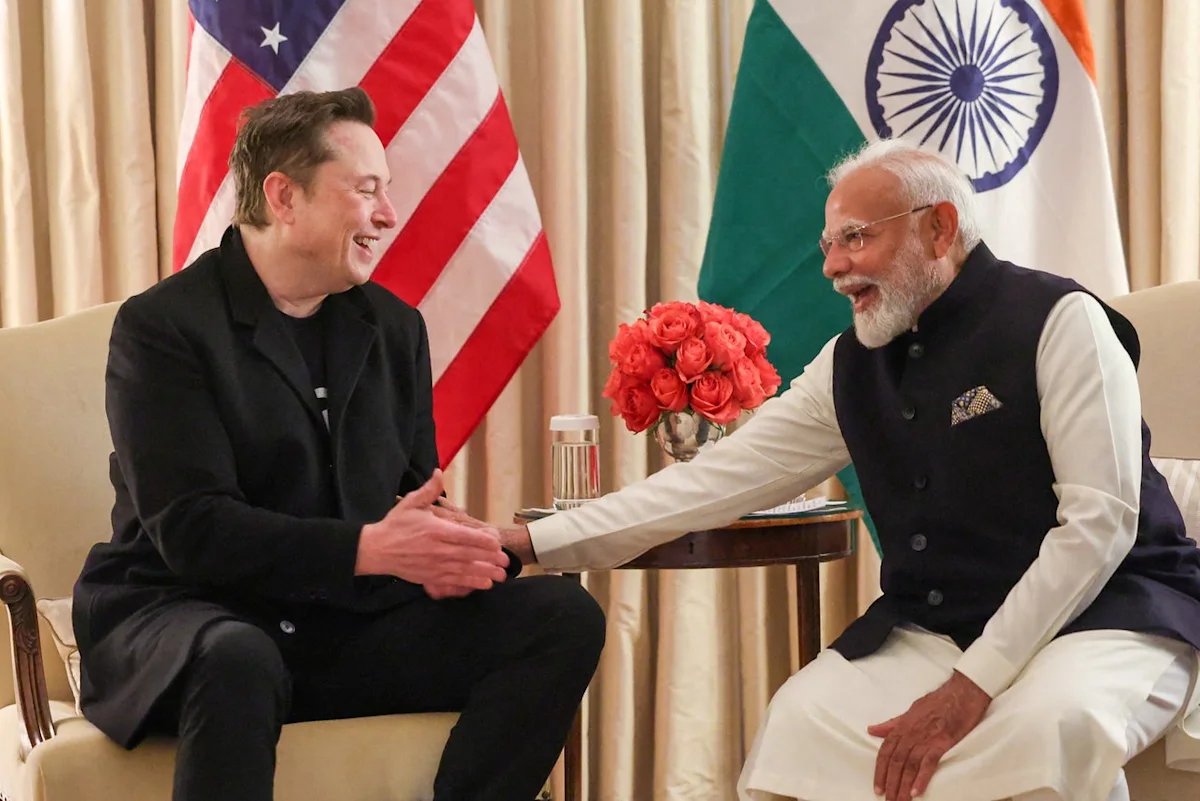
The standoff between Tesla CEO Elon Musk and Indian billionaire Mukesh Ambani has reached a new level of hostility. Following a series of social media posts aimed at the Reliance Industries chairman, Mr. Musk has now pivoted to highlighting political funding controversies to sustain his critique of India’s telecommunications regulatory environment.
The dispute, which centers on the delayed rollout of SpaceX’s Starlink satellite broadband service in India, took a sharp turn on Saturday when Mr. Musk shared reports detailing financial links between a firm associated with the Reliance conglomerate and India’s ruling Bharatiya Janata Party (BJP).
A Focus on Political Funding
Mr. Musk’s posts referenced a 2024 report by The Indian Express, which analyzed electoral bond data released by the Election Commission of India. The data indicated that Qwik Supply, a company with significant ownership ties to Reliance entities, had contributed substantial sums to the BJP and its regional allies.
This follows a 2022 investigation by Al Jazeera, which Mr. Musk also circulated, alleging that a media startup backed by Reliance had utilized Facebook and Instagram to amplify political advertisements for the ruling party. By highlighting these reports, the tech mogul appears to be framing the regulatory hurdles facing Starlink not as bureaucratic delays, but as evidence of a “monopolistic” influence exerted by local industry titans over the Indian government.
“The Real Boss of India”
The friction began earlier last week when Mr. Musk alleged that “oligarchs” were blocking his entry into the Indian market to protect their dominance. With Reliance Jio and Bharti Airtel currently controlling approximately 80 percent of India’s broadband market, Mr. Musk openly questioned whether Mr. Ambani held de facto authority over the nation’s governance, going as far as to mockingly address him as “Prime Minister Ambani” in an X post.
The rhetoric drew a sarcastic response from Indian opposition leader Rahul Gandhi, who welcomed Mr. Musk to the country and suggested he might be equally troubled once he learned about the influence of other prominent Indian billionaires. Mr. Musk engaged with this remark, stating the situation was “indeed troubling.”
Government Rejects Claims of Bias
Despite the viral nature of the dispute, the Indian government has maintained a neutral stance, distancing itself from the billionaire feud. Officials from the Ministry of Communications have categorically denied that the regulatory process is being manipulated for the benefit of any single corporate house.
Communications Minister Jyotiraditya Scindia noted that India remains “technology agnostic” and that multiple companies, including Starlink, Jio Satcom, and Eutelsat OneWeb, are undergoing standard regulatory evaluations. While Starlink was granted a license in June 2025, officials maintain that the company, like its competitors, must still fulfill specific security requirements before commercial operations can commence.
Junior minister Chandra Sekhar Pemmasani further emphasized that the licensing timeline is independent of any external pressure, noting that the procedural requirements apply uniformly to all applicants.
As of now, Reliance has remained largely silent on the personal attacks. During the recent India Mobile Congress in New Delhi, Akash Ambani declined to respond to inquiries regarding Mr. Musk’s allegations, keeping the focus on the company’s own technological trajectory rather than the public war of words. As the regulatory review process continues, the clash highlights the growing friction between global tech giants and India’s entrenched domestic conglomerates.
Disclaimer: This content is auto-generated for informational purposes only.
Source: Read Original News