








Shifting Priorities in the Blackwell Architecture
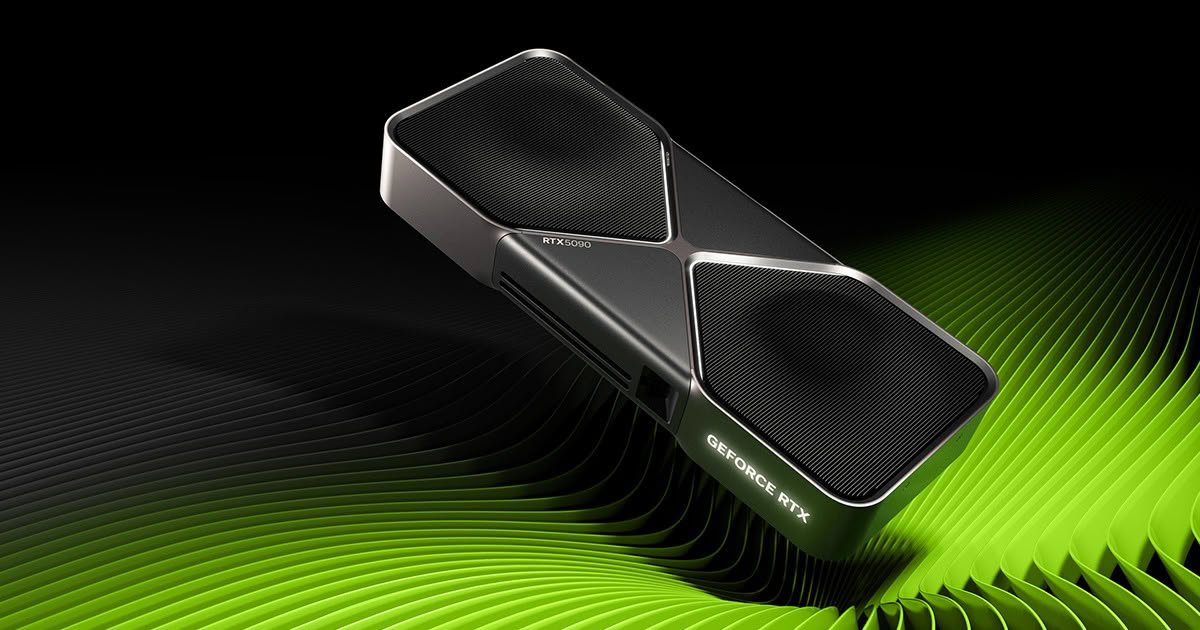
The landscape of high-performance computing is undergoing a significant transformation as NVIDIA reportedly prepares to scale back the production of its flagship GeForce RTX 5090. Since its introduction in January 2025, the RTX 5090 has stood as the pinnacle of gaming performance. However, recent industry reports suggest that NVIDIA is pivoting its supply chain strategy. The GB202 GPU—the powerhouse architecture driving the 5090—is increasingly being diverted toward the professional RTX Pro lineup.
This strategic reallocation appears to be a direct response to the global surge in demand for artificial intelligence infrastructure. With professional-grade hardware reaching premium price points and the broader market grappling with rising costs for high-bandwidth memory (DRAM), NVIDIA appears to be prioritizing its enterprise sectors. The decision reflects the intense competition for silicon resources, as the GB202 chip is essential for both high-end consumer gaming and the demanding requirements of AI workstations and server environments.
The Rise of Professional-Grade Demand
NVIDIA’s RTX Pro lineup has become a critical asset for businesses and research institutions. The RTX PRO 6000, 5500, and 5000 series cards, all built upon the same GB202 architecture, are currently the primary drivers for specialized AI training and complex simulations. As the costs associated with these enterprise-level components have climbed, market observers have noted an interesting trend: smaller AI ventures and researchers often turned to the RTX 5090 32 GB as a more accessible, high-performance alternative to the official professional cards.
This trend has led to unique market behaviors, particularly in regions where specific hardware exports are restricted. Reports indicate that enthusiasts and businesses have begun retrofitting RTX 5090 units with custom cooling solutions and modified circuit boards to bridge the performance gap in professional workstations. While export-compliant variants such as the RTX PRO 6000D exist, they often feature reduced core counts, lower memory capacity, and constrained AI compute throughput. This performance delta has sustained the demand for the full-featured 5090, further complicating NVIDIA’s supply distribution efforts.
Introducing the RTX 5080 24 GB Variant
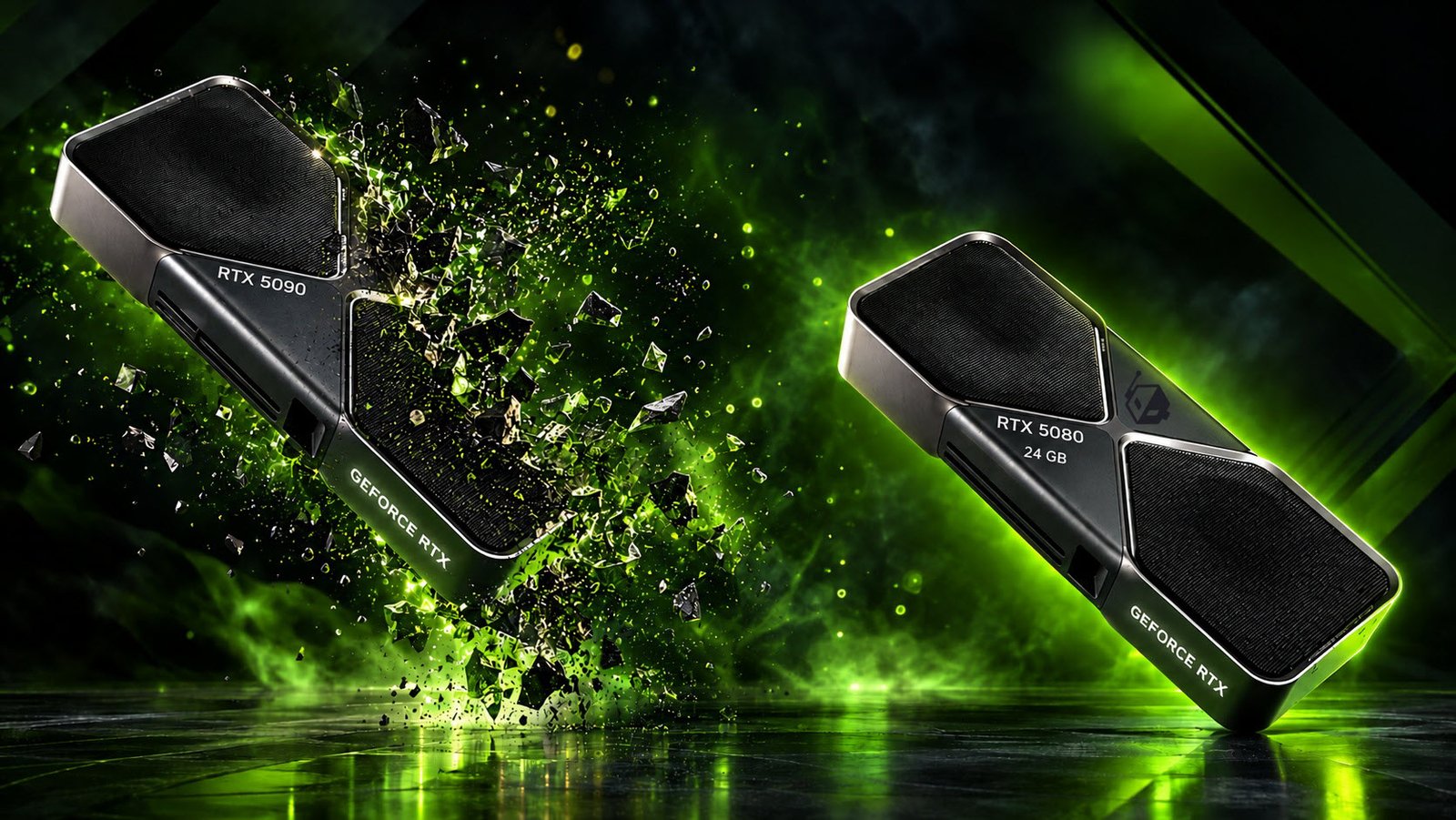
To mitigate the vacuum left by a potential reduction in RTX 5090 availability, NVIDIA is reportedly preparing to launch an enhanced model: the RTX 5080 24 GB. This upcoming graphics card is designed to serve as a high-end solution for gamers who require more video memory than the standard 16 GB configuration currently offers. By utilizing 3 GB GDDR7 memory modules, this card aims to provide a substantial boost in memory capacity without requiring a total redesign of the existing GB203 architecture.
This model is expected to provide a middle ground for users who find the current pricing of the RTX 5090—which has seen market fluctuations leading to figures well above its intended MSRP—to be prohibitive. While the RTX 5080 24 GB will not match the raw compute potential of the 5090, it addresses the increasing VRAM requirements of modern 4K gaming and high-resolution rendering tasks. Anticipated pricing for this new iteration is expected to land between $1,999 and $2,999, positioning it as a powerful but distinct offering in the high-end gaming market.
Technical Implications of the DRAM Crisis
The broader industry context for these changes is the ongoing crisis in the DRAM market. The production of GDDR7 memory, which is essential for the Blackwell architecture, remains both complex and costly. Because high-end GPUs require massive amounts of this memory, any fluctuation in supply directly impacts the profitability and availability of consumer-facing products.
By standardizing certain configurations and pivoting towards a 24 GB model for the RTX 5080 series, NVIDIA may be attempting to optimize its wafer and memory procurement. This allows for a more efficient allocation of silicon, as the 24 GB model uses a 256-bit memory bus similar to its predecessor but features the newer, faster 3 GB modules. This refinement serves as a technical compromise, balancing the need for higher memory density with the current manufacturing realities of the semiconductor industry.
Impact on the Future of GPU Availability
While official confirmation of the permanent cessation of RTX 5090 production remains pending, the current trends indicate a period of instability for enthusiast hardware. For gamers, the transition suggests a shift where performance tiers are being redefined not just by raw speed, but by memory capacity and enterprise availability.
Should the RTX 5090 be fully phased out in favor of the professional-only GB202 distribution, the RTX 5080 24 GB will effectively become the new ceiling for the mainstream gaming market. This development underscores the reality of today’s tech environment, where the boundaries between professional AI compute and high-end consumer gaming are increasingly blurred. As NVIDIA continues to refine its supply strategy, consumers should expect further segmentation of product lines, with a clear focus on maximizing the output of the most compute-efficient chips for high-demand enterprise applications.
Disclaimer: This content is auto-generated for informational purposes only.
Source: Read Original News