









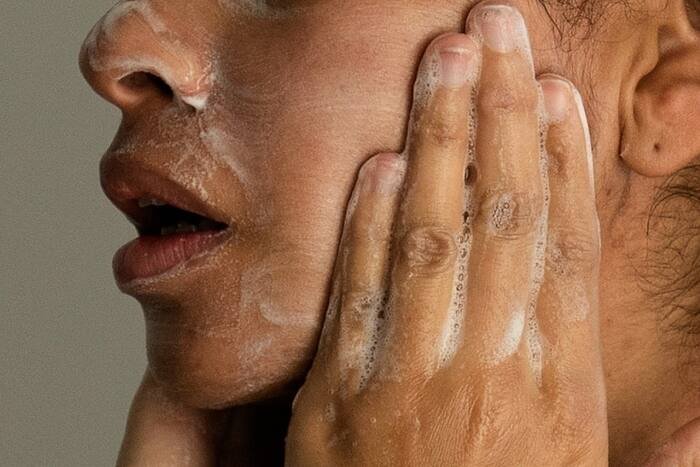
NEW YORK – While acne is often dismissed as a quintessential rite of passage for teenagers, a growing number of adults are finding that breakouts are a persistent and confidence-crushing reality of the workforce. For professionals like Gillian Maegan Montalbo, a marketer based in the Philippines, the return of acne in adulthood became a significant emotional hurdle.
“It really took a toll on my self-esteem and my self-confidence,” said Montalbo, who noted that breakouts on her cheeks and chin made it difficult to maintain eye contact with her superiors.
Dermatologists are increasingly urging adults to stop suffering in silence, emphasizing that acne is a treatable medical condition rather than a sign of poor hygiene. Dr. Crystal Aguh, director of the Ethnic Skin Program at Johns Hopkins School of Medicine, notes that adult acne, particularly in women, often manifests differently than the teenage variety. While adolescents typically see breakouts on the forehead and nose, adults often grapple with hormonal acne localized along the jawline and chin.
Pimples occur when pores become clogged with oil, bacteria, and dead skin cells. However, when these blemishes persist or spread, they cross the threshold into a chronic medical issue. Causes are multifaceted, ranging from genetics and environmental stressors to diet and hormonal shifts. Even the use of certain medications, such as steroids, can trigger unwanted flare-ups.
Experts warn that the urge to “pick or pop” is perhaps the most common mistake patients make. “Everyone wants to pick and squeeze. That will almost always make things worse,” says Dr. Lauren Fine, founder of Fine Dermatology in Chicago. Picking drives inflammation deeper into the dermis, increasing the risk of permanent scarring and dark marks. For patients with darker skin tones, this is particularly problematic, as the skin is prone to producing extra pigment when stressed, leaving behind discoloration that can persist long after the acne has cleared.
Treatments are as varied as the causes. While over-the-counter washes and creams containing benzoyl peroxide or salicylic acid are effective for mild cases, persistent or severe cystic acne often requires prescription intervention. For women specifically, dermatologists may turn to hormonal therapies, such as oral contraceptives or spironolactone, to stabilize the skin. In more stubborn cases, oral medications like isotretinoin may be necessary.
For body acne—often colloquially termed “bacne”—doctors often favor oral medications, as applying topical creams to the back and shoulders can be logistically difficult for the patient.
While the path to clear skin can take time and often involves an initial period of “purging”—where the skin gets worse before it gets better—experts agree that medical intervention is the most reliable route. For Montalbo, the journey toward clear skin took a year, but the psychological healing took longer. She credits a strong support system for helping her regain her confidence.
“When you are with the right people, they won’t mind how you look,” Montalbo said. “Because to them, what’s important is how you treat them.”
Disclaimer: This content is auto-generated for informational purposes only.
Source: Read Original News