









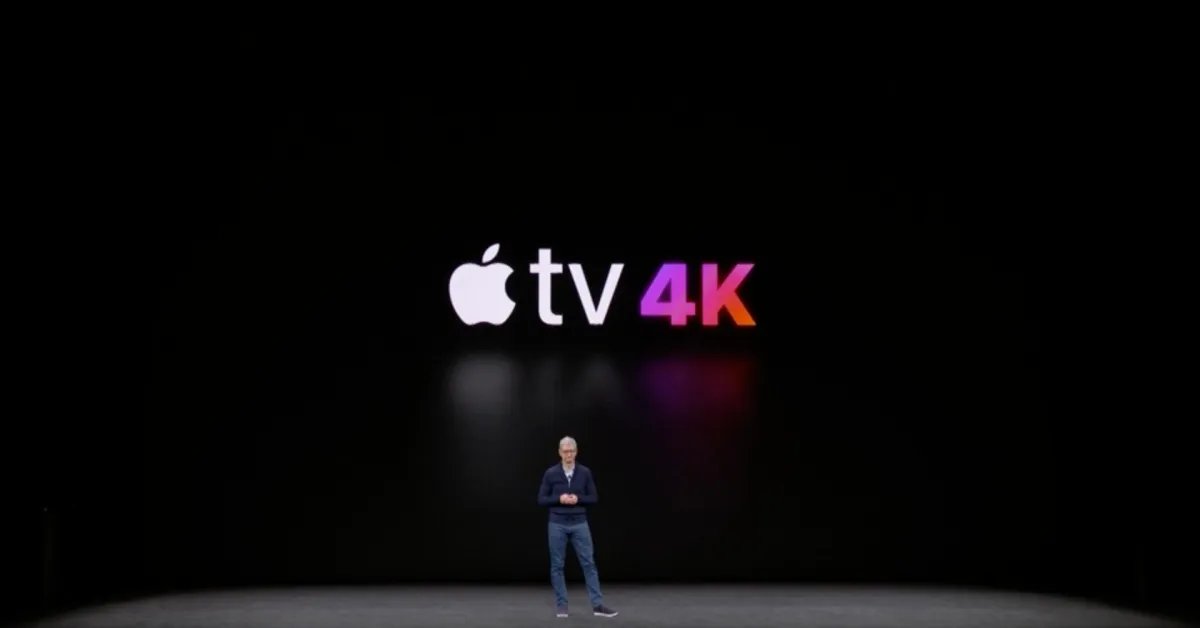
The landscape of home entertainment technology shifts rapidly, and Apple’s hardware ecosystem is no exception. Recently, the company updated its support documentation to classify the original Apple TV 4K, released in 2017, as a “vintage” product. This transition marks a significant milestone for a device that played a pivotal role in bringing high-dynamic-range (HDR) and 4K streaming capabilities to millions of living rooms. For owners of this hardware, the change necessitates an understanding of how Apple categorizes aging technology and what it implies for long-term device maintenance.
Understanding the Vintage Designation
Apple maintains a specific classification system to manage the lifecycle of its hardware products. This system categorizes devices into two primary tiers: vintage and obsolete. A product earns the “vintage” designation once five years have elapsed since the company ceased distribution for sale. This status is not an immediate termination of support, but rather a warning sign regarding the availability of components.
Under the vintage status, Apple and its network of authorized service providers can continue to offer hardware repairs, but these services are contingent upon the availability of replacement parts. As supply chains move away from older internal components, the likelihood of sourcing original parts for a 2017-era device decreases. Conversely, the “obsolete” label is assigned after seven years have passed since the product was last sold. Once a device reaches the obsolete stage, Apple terminates all hardware service, and service providers are unable to order parts for that specific model. By moving the first-generation Apple TV 4K to the vintage category, Apple is signaling that the era of guaranteed maintenance is nearing its conclusion.
Technological Legacy of the 2017 Model
When it launched in 2017, the original Apple TV 4K represented a substantial leap forward for the platform. It introduced the A10X Fusion chip, a processor capable of handling high-bitrate 4K content with ease. Before its arrival, the streaming experience was largely tethered to 1080p resolution, often with limited color depth. The 2017 unit enabled support for both Dolby Vision and HDR10, forcing the industry to elevate the quality standards of streaming media.
Beyond raw resolution, the 2017 model integrated features like automatic frame rate matching, which helped eliminate the “soap opera effect” and judder that plagued early 4K displays. Its architecture was designed to function not just as a media hub, but as a central component for home automation via HomeKit. While modern iterations have since introduced faster processors, Thread networking, and updated remote designs, the original hardware remains highly capable for basic streaming needs. However, the shift in status highlights the difference between software longevity and hardware endurance.
Implications for Current Users
For users currently operating a first-generation Apple TV 4K, the vintage status does not mean the device will suddenly cease to function. It will continue to receive software updates for the foreseeable future, provided it remains within the compatibility window of the current tvOS releases. Streaming applications, including major platforms like Netflix, Disney+, and Apple TV+, will continue to function. The primary change is confined to the physical side of the experience.
If a power supply failure, HDMI port degradation, or internal component issue occurs, the path to resolution becomes more constrained. If an authorized service center lacks the specific spare parts for the 2017 architecture, the repair request will be denied. Owners may be forced to rely on third-party repair shops that scavenge parts from other units, or, in many cases, consider the replacement of the device entirely. This is a standard cycle in consumer electronics, where the cost of maintaining obsolete stock eventually outweighs the benefits of providing legacy support.
Managing the Transition
For those who rely on this device, the best course of action is to evaluate its current performance and internal health. If the device is exhibiting signs of instability, such as frequent restarts, thermal throttling, or connectivity drops, it may be prudent to pursue service while the vintage status still allows for potential repair. However, given that repair costs for aging electronics can sometimes approach the price of a newer, more efficient model, many users choose to upgrade when these milestones are reached.
As technology progresses, newer iterations of the Apple TV 4K offer significant hardware advantages, including improved energy efficiency, faster app launch times, and compatibility with more advanced audio formats like Dolby Atmos. Furthermore, upcoming product cycles often introduce features that are incompatible with older internal architectures. With new hardware announcements on the horizon, users who find themselves relying on an aging 2017 model may discover that the current ecosystem is better served by migrating to a current generation device.
In summary, the transition of the 2017 Apple TV 4K to vintage status serves as a reminder of the finite nature of consumer hardware. While the device remains a testament to the longevity and build quality of Apple’s streaming hardware, the technical reality of component availability dictates that its active maintenance window is closing. Users should remain informed about their device status to ensure their home entertainment setup remains reliable and supported.
Disclaimer: This content is auto-generated for informational purposes only.
Source: Read Original News