









China Initiates Massive Safety Recall Affecting 4.3 Million Vehicles Over Emergency Door Risks
In what marks the largest automotive recall in Chinese history, regulators have ordered a massive safety initiative impacting approximately 4.3 million vehicles. The sweeping mandate follows growing concerns that occupants may find themselves trapped in their cars during emergencies due to complex, electronically operated door-release systems that can fail in the event of a crash.
A Wide-Ranging Industry Intervention
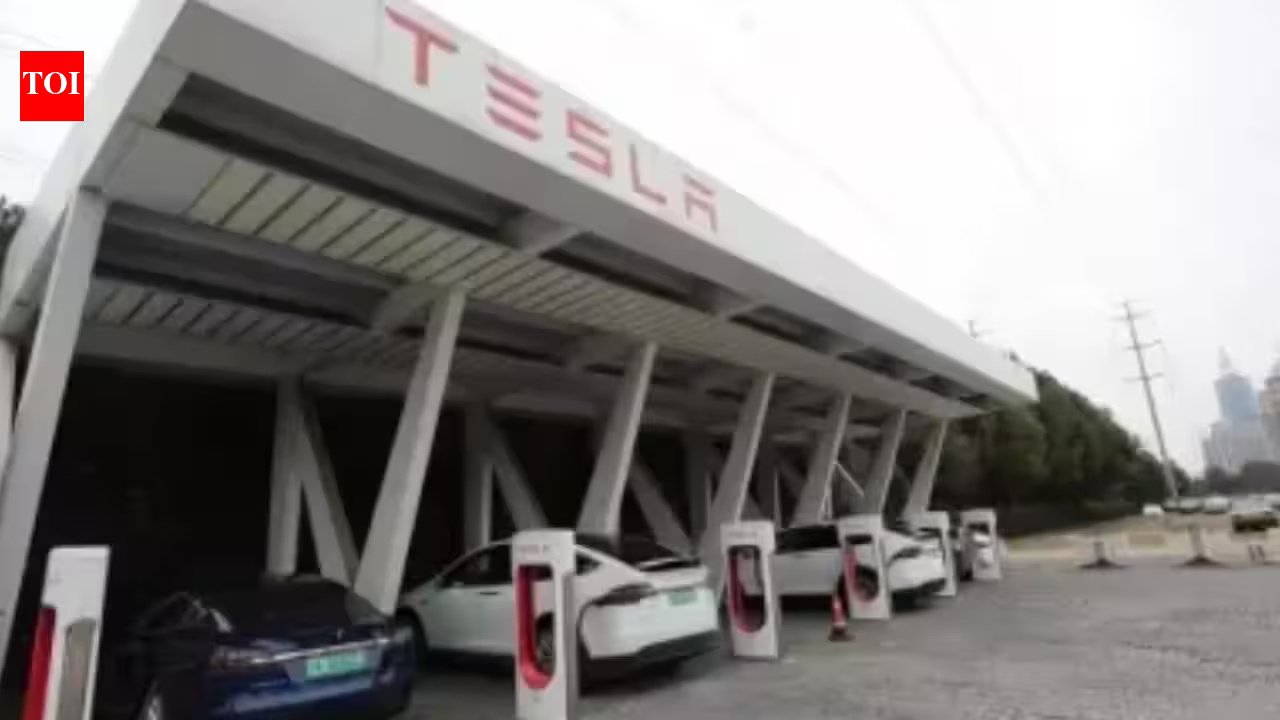
The recall encompasses a significant portion of China’s automotive sector, with Tesla leading the list. According to the State Administration for Market Regulation (SAMR), the initiative includes approximately 2.98 million Tesla vehicles—comprising both imported and domestically produced Model 3, Model Y, Model S, and Model X units.
Beyond Tesla, several prominent Chinese manufacturers are also taking corrective action. Xiaomi is recalling over 390,000 vehicles, Leapmotor is addressing roughly 371,000 units, and Xpeng is involved with approximately 264,000. Geely and several other automakers are also participating in smaller, related recalls.
The regulatory action was prompted by fears that a severe collision—specifically one that disables a vehicle’s electrical system—could render mechanical door releases difficult to locate or operate. This potential for delayed escape has become a focal point of safety oversight as Beijing tightens regulations on the nation’s rapidly expanding new-energy vehicle (NEV) market.
Addressing the Risks of "High-Tech" Design
The prevalence of concealed, electronic door handles—a trend popularized by Tesla and widely adopted across Chinese EV lineups—has sparked public anxiety following several high-profile accidents. In a notable incident reported by state media this past October, bystanders struggled to open the doors of a crashed and burning Xiaomi SU7, resulting in a fatality.
In response, the government has mandated a “unified safety upgrade” for existing models. Furthermore, officials have already set a deadline, announcing that concealed door handles will be prohibited on all new vehicles starting in 2027.
"For the rapidly evolving NEV industry, competition should be defined not only by the pace of technological innovation but also by the high standards set for safety," noted the People’s Daily in a recent editorial. Cui Dongshu, head of the China Passenger Car Association, added that the recalls are reflective of the "growing pains" of a maturing industry, representing a necessary policy-driven safety shift.
Global Scrutiny and Financial Impact
While the scale of these recalls is unprecedented, the financial burden on manufacturers may be mitigated by modern technology. Unlike traditional recalls that require extensive mechanical labor, many of the requested fixes—such as software updates and digital modifications—can be delivered remotely via over-the-air (OTA) updates. For other vehicles, fixes involve the installation of clear warning labels and software upgrades to power-window controls.
The issue has also captured the attention of U.S. regulators. The National Highway Traffic Safety Administration (NHTSA) recently confirmed it is investigating whether electronically operated door systems pose similar risks in the United States and is currently weighing potential new safety standards. As of late Friday, the NHTSA reported that it had not received notice from automakers regarding a comparable recall in the U.S. market.
As the industry pivots, analysts suggest that the ease of digital fixes helps minimize downtime and costs, potentially turning what could have been a catastrophic logistics nightmare into a manageable, albeit significant, safety refinement process.