





Rajkumar Santoshi Weighs In on ‘Dhurandhar’ Comparisons, Explains His Vision of the ‘Alpha Male’
As the cinematic landscape continues to evolve, the discourse surrounding the representation of masculinity in Hindi cinema has taken center stage. With the ongoing theatrical run of Rajkumar Santoshi’s latest directorial venture, Batwara 1947, both critics and fans have been drawing parallels between his work and Aditya Dhar’s Dhurandhar. The two films have sparked a vibrant debate regarding their distinct approaches to patriotism, the modern-day action hero, and the portrayal of the "alpha male."
In a recent conversation, the legendary filmmaker addressed these comparisons directly, offering a nuanced perspective on the shifting trends in action cinema while maintaining a deep respect for his contemporaries.
A Mutual Respect for Craft
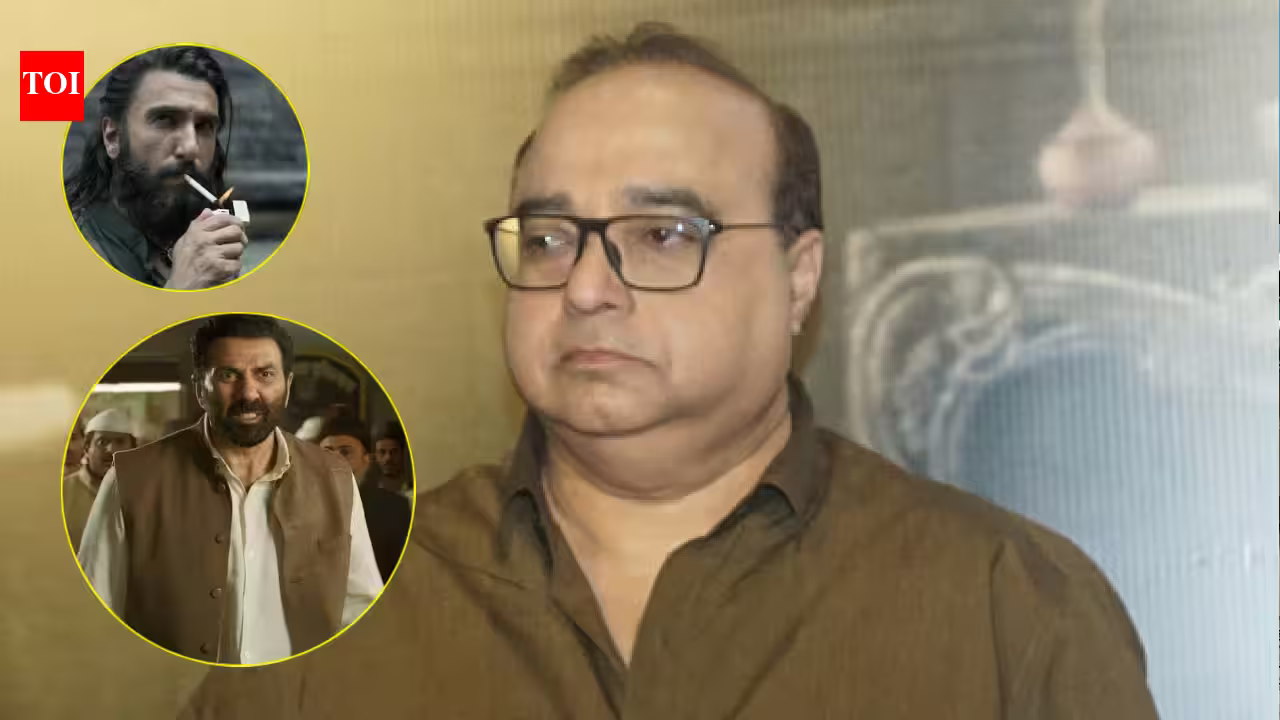
Rajkumar Santoshi was quick to dismiss any sense of rivalry, instead heaping praise on the creative team behind Dhurandhar. Referring to director Aditya Dhar, known for the monumental success of Uri: The Surgical Strike, Santoshi stated, "Aditya has been very successful; I really respect his work. But that was his style. Every director and writer has their own emotions."
He was equally complimentary toward the film’s lead, Ranveer Singh, describing his high-octane performance as "fantastically performed." Santoshi emphasized that while audiences are free to compare, each filmmaker operates from a unique emotional and creative school of thought.
Redefining the ‘Alpha Male’
The conversation inevitably turned to the evolution of the action hero—a genre Santoshi helped define through iconic collaborations with Sunny Deol in cult classics like Ghayal, Damini, and Ghatak. Reflecting on these legacy films, the director noted that true masculinity was never intended to be synonymous with mindless aggression.
"Today, people are using bad words, abusing, and drinking; it’s so cheap," Santoshi remarked. He argued that his long-time collaborator, Sunny Deol, portrayed action heroes with a sense of dignity that resonated with the masses. "Sunny has played the role of a true macho guy. Those are powerful and memorable performances. We will do more action films, but with standards and class. There should be a good purpose to fight and hit a man."
For Santoshi, the "alpha" figure is defined by character and moral fortitude rather than mere physical dominance. He clarified that he is not opposed to visceral action, but he remains critical of violence used solely as a performance of toughness rather than a narrative necessity.
The Complexity of ‘Sikandar Mirza’
In Batwara 1947, Santoshi’s protagonist, Sikandar Mirza, serves as a testament to his philosophy. Set against the turbulent backdrop of the Partition, the character—portrayed by Sunny Deol—is built on foundations of courage that transcend physicality.
"He is the most courageous character I have written," Santoshi explained. "One can fight with a single army or a group of people, but to fight and take a stand against fanaticism in today’s time? Nobody will dare to do that."
As the industry continues to analyze these competing visions of the action hero, Santoshi remains committed to a style of storytelling that prioritizes emotional weight and social purpose. Produced by Aamir Khan and featuring an ensemble cast including Shabana Azmi, Preity Zinta, and Ali Fazal, Batwara 1947 stands as a bold entry in the filmmaker’s storied career. For more insights on this developing story, you can read the full report on the Rajkumar Santoshi interview.