








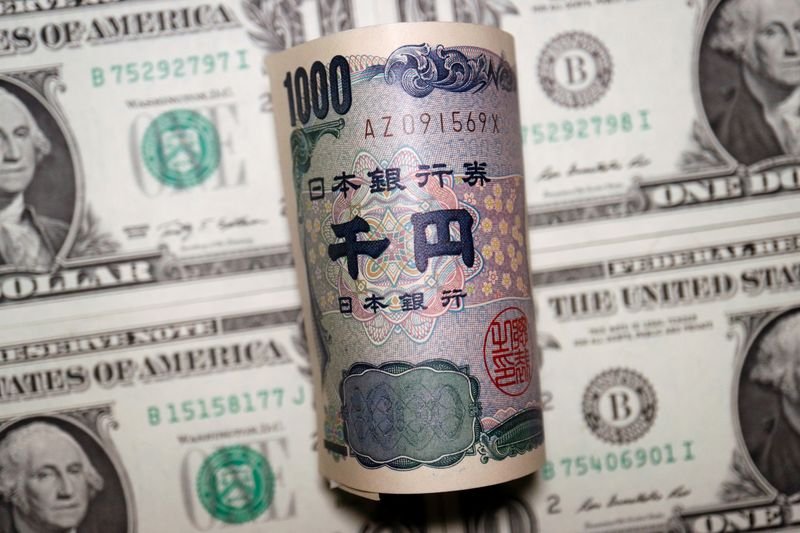
The U.S.-Japan “Currency Alliance”: Navigating Global Economic Headwinds
The international financial landscape is currently defined by a complex, high-stakes relationship between Washington and Tokyo. As global markets react to shifting interest rate expectations and persistent inflationary pressures, the geopolitical and economic tether between the United States and Japan has become a focal point for investors and policymakers alike.
At the heart of this dynamic is the so-called “currency alliance”—a strategic coordination that seeks to maintain stability in the face of significant volatility. As the Japanese yen (JPY) continues to face pressure against the U.S. dollar, the implications for global trade, capital flows, and sovereign debt markets are profound.
The Mechanism of Coordination
The concept of a "currency alliance" implies more than mere diplomatic cooperation; it suggests a tacit, and at times explicit, alignment of monetary policy priorities. With the Federal Reserve signaling a cautious approach to future rate adjustments and the Bank of Japan (BoJ) attempting to pivot away from its long-standing negative interest rate policy, the two nations are performing a delicate balancing act.
Analysts note that the primary goal of this cooperation is to prevent disorderly market movements that could trigger broader instability. By monitoring exchange rates closely, both central banks aim to avoid a scenario where the yen’s depreciation becomes so aggressive that it disrupts supply chains or forces premature policy shifts.
Economic Implications for Investors
For the global investor, understanding the nuances of this relationship is essential. The strength of the dollar relative to the yen has long served as a proxy for risk appetite. When the yen is weak, carry trade activity typically surges; conversely, any sign of intervention—whether verbal or direct—can send shockwaves through equity markets.
According to the latest analysis, the current strategy behind the U.S.-Japan currency alliance centers on creating a controlled environment where the yen can adjust gradually. This measured approach is intended to provide businesses and institutional investors with the predictability needed to manage hedging risks effectively.
What Lies Ahead?
As we look toward the remainder of the fiscal year, the durability of this alliance will be tested. Several factors remain at play:
- Yield Differentials: The widening gap between U.S. Treasury yields and Japanese Government Bonds (JGBs) continues to exert downward pressure on the yen.
- Geopolitical Strategy: Washington views a stable Japan as a vital economic anchor in the Indo-Pacific, making the health of the yen a matter of national security, not just economic policy.
- Inflation Targets: With Japan finally seeing modest, sustained inflation, the BoJ’s ability to normalize rates will be the ultimate litmus test for the alliance’s effectiveness.
In conclusion, the "currency alliance" is not merely an agreement to manage exchange rates; it is a sophisticated framework designed to insulate both economies from the volatility of a rapidly changing global order. Investors should remain vigilant, as any fracture in this partnership could lead to significant shifts in liquidity and asset pricing across the Pacific.