









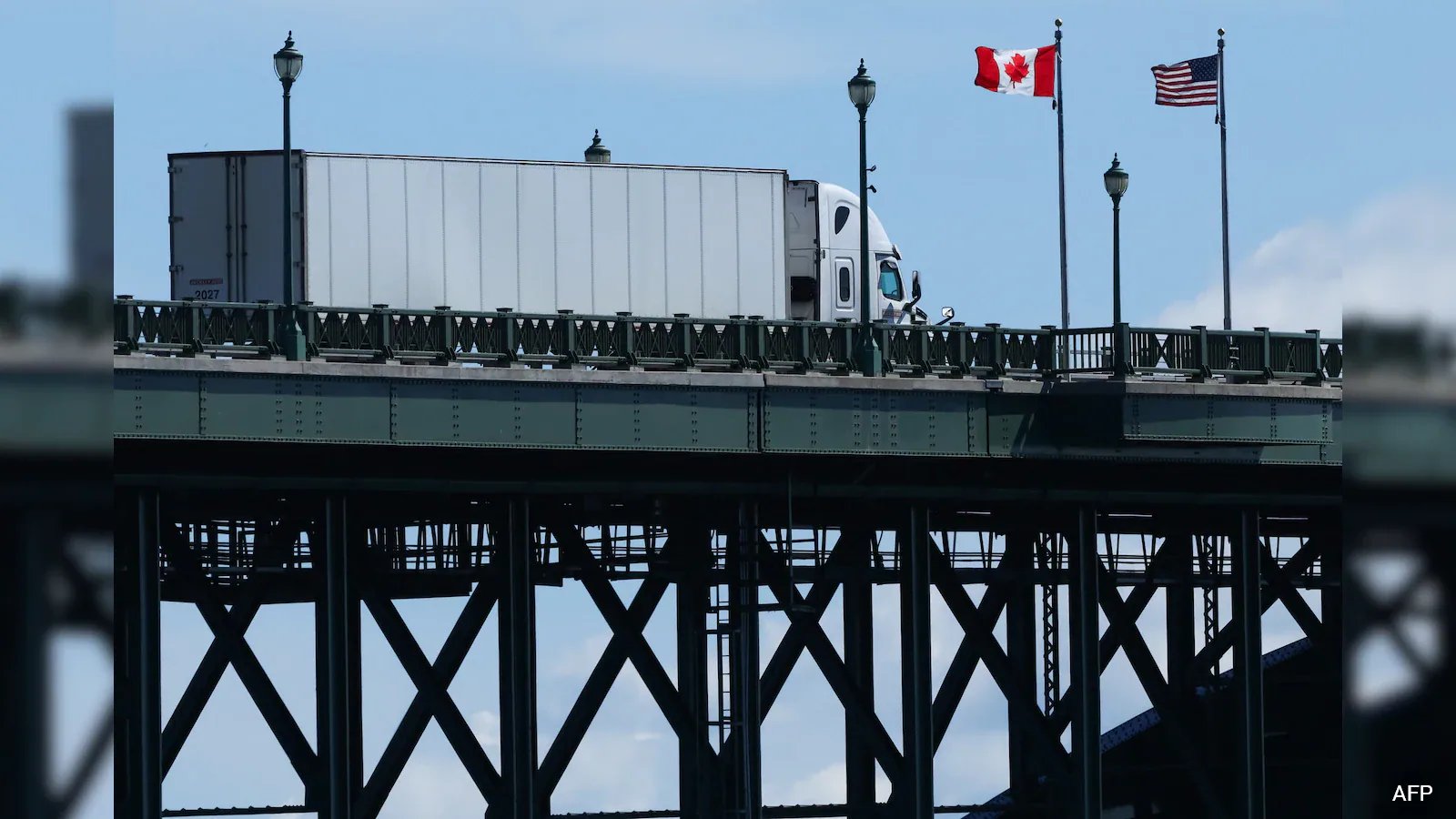
Trade Talks Between US and Canada Collapse Amid Standoff Over Vehicle Tariffs
Negotiations aimed at stabilizing the critical trade relationship between the United States and Canada ended in a sudden collapse on Friday, driven by a last-minute dispute over tariff exemptions for medium- and heavy-duty vehicles.
The breakdown occurred despite both nations having established an outline for a deal that would have significantly lowered sectoral tariffs on aluminum, steel, lumber, and passenger automobiles. Under the proposed framework, standard auto tariffs were slated to be reduced from 25% to 15%. However, the deal imploded when Canadian officials demanded that this relief extend to larger vehicles—including heavy commercial trucks and pickups—a request the U.S. side ultimately rejected.
"The Canadians insisted on the additional relief in a phone call late Friday, and the Americans balked," according to sources familiar with the private negotiations who spoke on the condition of anonymity.
Canadian Prime Minister Mark Carney criticized the U.S. position on Saturday, arguing that excluding heavy trucks from tariff relief threatens vital infrastructure. Carney specifically pointed to a Ford facility in Ontario that manufactures the F-350 and larger pickups, noting that without the agreed-upon concessions, the plant would be unfairly sidelined. "To deny such relief to trucks is a big change, obviously," Carney stated.
The dispute has sparked finger-pointing on both sides. While American officials viewed the inclusion of heavy-duty vehicles as an unacceptable "extra demand," Canadian industry experts suggest the exclusion was a calculated move by the U.S. to weaken Canada’s manufacturing sector. Flavio Volpe, president of the Automotive Parts Manufacturers’ Association, told the Canadian Broadcasting Corp. that the U.S. appeared to be actively working to "get rid of auto manufacturing in Canada" by narrowing the scope of the tariff relief at the eleventh hour.
The collapse of the talks has immediate and severe economic consequences. The United States has moved to impose 50% tariffs on approximately $20 billion worth of Canadian goods. In a retaliatory measure, Prime Minister Carney announced that Canada will implement dollar-for-dollar counter-tariffs on American products, effective September 8.
The shift has drawn alarm from labor leaders. Lana Payne, national president of Unifor, Canada’s largest private-sector union, emphasized that the government had no choice but to "draw a line in the sand." Payne expressed concerns that yielding to U.S. demands for carveouts would undermine the competitiveness of the Canadian auto industry and set a dangerous precedent for future North American trade pact negotiations.
The breakdown represents a significant escalation in what has become an increasingly volatile period for the bilateral alliance. As tensions reach a boiling point, many analysts are examining the broader implications of how the trade war is rupturing a once-durable partnership.
Neither the White House nor the office of the U.S. Trade Representative has provided an immediate comment regarding the collapse of the talks.