








India Pivots Back to Russian Oil Amid Escalating Middle East Tensions
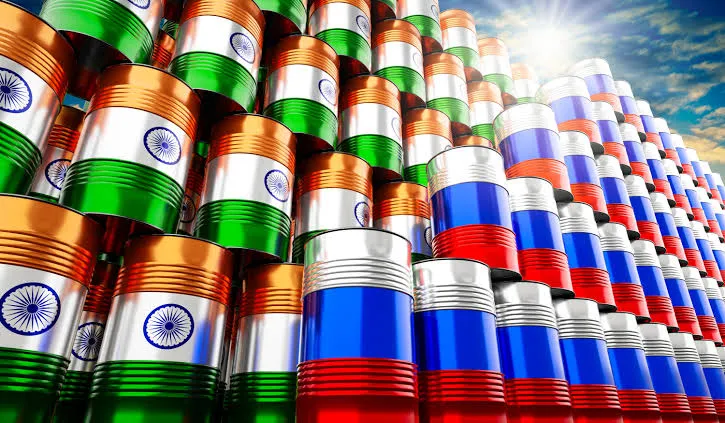
As geopolitical instability grips the Middle East, India has significantly ramped up its imports of Russian crude, marking a notable shift in the global energy trade. Data from analytics firm Kpler reveals that Indian imports of Russian oil soared to over 2.6 million barrels per day (bpd) in June and July, accounting for more than half of the nation’s total oil intake.
This surge represents a sharp reversal from earlier this year, when Indian imports of Russian oil had dipped to approximately 1 million bpd in February. The recent data highlights a historic reliance, with total daily imports reaching their highest levels since the outbreak of hostilities between the U.S., Israel, and Iran in late February.
Why India Turned to Russia Again
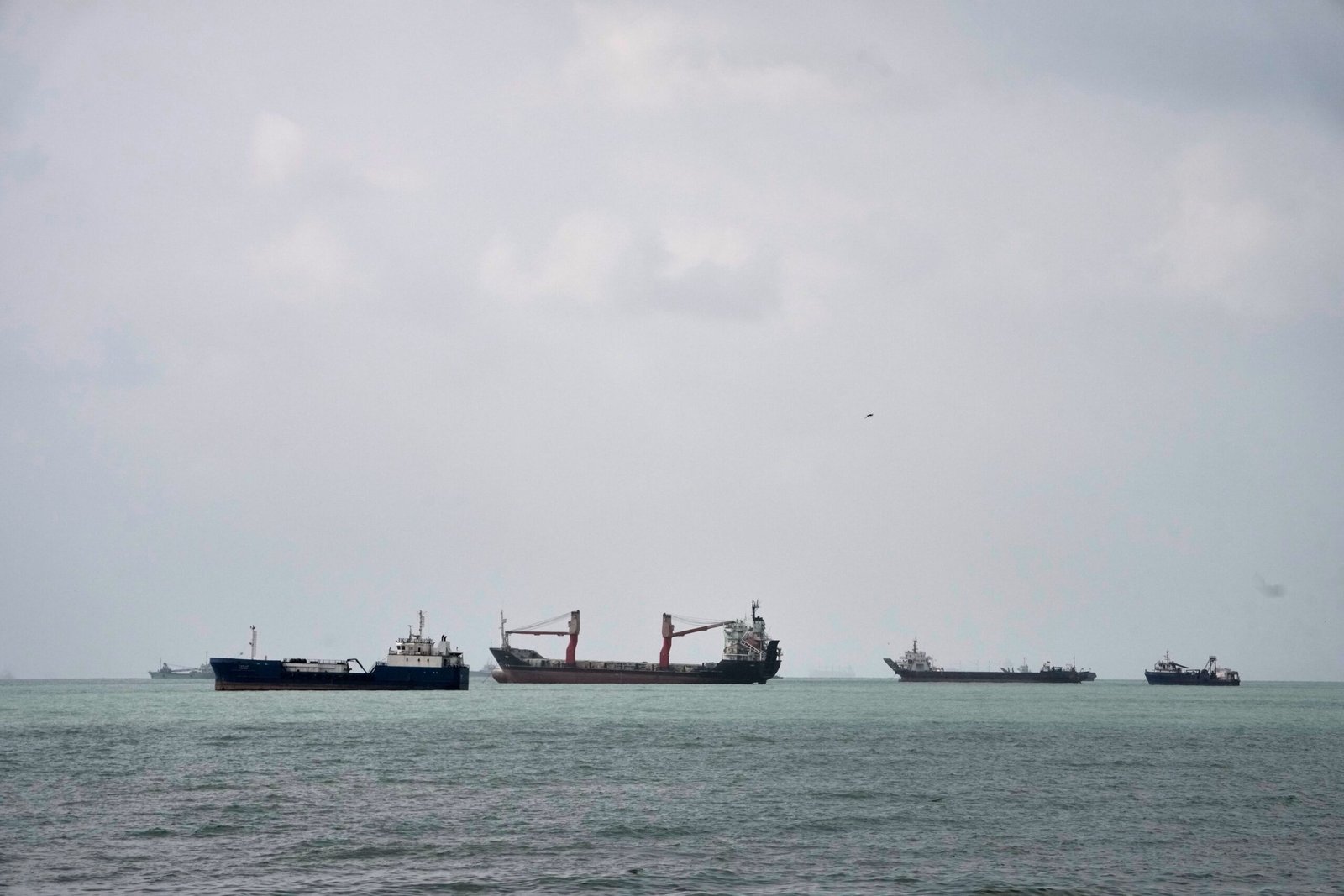
The resurgence in demand for Russian energy is largely a byproduct of the ongoing conflict in the Persian Gulf. The regional instability has disrupted critical shipping routes, most notably the Strait of Hormuz—a vital artery for global energy transit.
While New Delhi had previously made efforts to reduce its reliance on Russian energy—a move spurred in part by U.S. political pressure—the current supply crisis has forced a strategic recalculation. According to reports from the Financial Times, Washington has provided necessary exemptions, allowing India to continue procuring Russian crude to maintain its own economic stability.
An Urgent Economic Priority
For India, energy security is not merely a policy preference but an existential necessity. The country imports more than 90% of its oil and gas, making its rapidly growing economy highly sensitive to market volatility. Prime Minister Narendra Modi, speaking during his recent Independence Day address, underscored this urgency, identifying the development of alternative energy sources as a top national priority.
To buffer against future supply shocks, the Indian government has been aggressively expanding its strategic petroleum reserves. Currently, the nation can store 5.33 million metric tons of petroleum products, which, when combined with commercial storage, covers approximately 74 days of imports.
The Limits of Diversification
Despite these efforts, analysts warn that the path to energy independence remains fraught with challenges. Vibhuti Garg, Director for South Asia at the Institute for Energy Economics and Financial Analysis, notes that while India has secured oil reserves, it lacks similar long-term infrastructure for liquefied natural gas (LNG). This deficiency has left the country exposed, forcing a temporary return to coal-fired power generation as Middle Eastern gas supplies remain strained.
Moreover, India’s economic growth trajectory demands consistent energy availability, making a rapid transition away from fossil fuels difficult. "The war in Iran has underscored that the immediate challenge for India is not only to completely phase out oil but also to diversify its sources of crude oil and its transportation routes," Garg explained.
As the energy crisis continues to reshape international relations, the current situation reaffirms Russia’s position as a primary energy partner for New Delhi. For Moscow, this maintains a vital revenue stream; for New Delhi, it serves as a stark reminder of the complexities involved in securing energy autonomy in an increasingly unstable world.