







Britain’s Rail Network Races to Adapt as Unprecedented El Niño Threatens Infrastructure
Britain’s railway operators are bracing for a period of extreme climate volatility, as a developing El Niño event threatens to push the nation’s infrastructure to its breaking point. With experts warning that 2027 could shatter existing heat-related records, the race is on to modernize a system that was never designed for the intensifying realities of a changing climate.
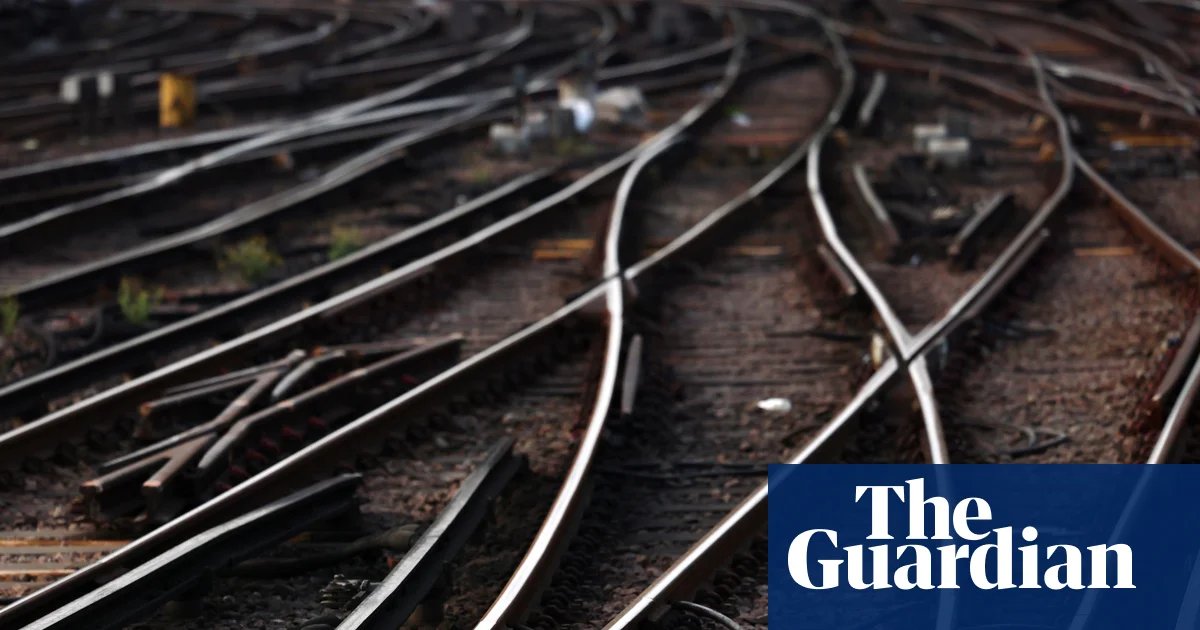
The urgency of the situation was underscored this past August, when the UK’s fifth heatwave of the year led to two separate train derailments within a 24-hour period. Network Rail described the weather conditions as presenting "exceptional challenges" to the national network, forcing widespread timetable reductions and emergency speed restrictions to prevent track buckling.
A Legacy of Cold-Weather Design
"Traditionally, our railway system hasn’t been designed for hot weather," explains Xueyu Geng, a professor of ground engineering at the University of Warwick. "That puts stress not only on the ground infrastructure but also on our overhead lines, which can cause cascading trouble for the whole system."
Professor Geng argues that British rail design standards must undergo a radical shift. Currently, the network is built to handle temperatures as low as -10°C, a threshold that must remain for winter resilience. However, the upper boundaries are now insufficient. By looking to countries like Spain and Saudi Arabia, where tracks are pre-stressed to handle temperatures reaching up to 55°C, Britain could adopt manufacturing techniques capable of accommodating both ends of the extreme temperature spectrum.
The "Unprecedented" El Niño Challenge
The threat is magnified by an El Niño event currently forming over the Pacific. Professor Adam Scaife, head of long-range forecasting at the Met Office, notes that Pacific sea temperatures are expected to peak at over 3°C above average—a scale of warming deemed "unheard of in modern climate records."
For the UK, this weather pattern is expected to drive a dual-threat environment: prolonged periods of scorching, dry heat interrupted by increasingly intense rainfall and storm activity.
William Powrie, a professor of geotechnical engineering at the University of Southampton, warns that these fluctuations expose past infrastructure compromises. "Reducing train speeds to account for poor track quality resulting from soil moisture deficit destroys the entire timetable," Powrie said. He pointed to sections of the network, such as the Salisbury to Exeter line, where historical decisions to "single" the track have left the system dangerously vulnerable to modern climate impacts.
Investing in Resilience
In response, Network Rail has significantly ramped up its efforts, with projected five-year spending on climate, earthworks, and drainage currently five times higher than the allocation from 2019.
"The most important consideration is that we should now distinguish between maintenance and adaptation," says Ioannis Koliousis of the Cranfield School of Management. "Clearing a drain prepares us for the next storm, but redesigning or increasing the capacity of that drainage system prepares us for the next 30 years."
Network Rail maintains that it is rising to the challenge. A spokesperson for the operator confirmed that the organization is currently executing a £2.6bn program focused on track maintenance, drainage upgrades, and the deployment of predictive technologies. These tools are designed to identify risks before they manifest as failures, allowing for proactive, rather than reactive, interventions.
As the industry prepares for the coming year, the consensus among experts is clear: the era of designing for average weather is over. Britain’s ability to keep its trains running will depend on its capacity to evolve as quickly as the climate is changing.