







From Thrift Stores to Tech Marvels: The Rise of the Raspberry Pi Cyberdeck
The DIY computing landscape is undergoing a creative renaissance, and at the heart of the movement is the humble, retro-futuristic “cyberdeck.” Once a niche aesthetic found only in science fiction, these portable, custom-built computers have captured the imagination of social media, leading Raspberry Pi to officially embrace the trend.
A Viral Aesthetic
Ashley Whittaker, head of social media for Raspberry Pi, recently admitted that the company has been unable to escape the cyberdeck phenomenon this year. These devices—often housed in repurposed purses, antique jewelry boxes, or rugged tactical cases—have exploded in popularity on TikTok and other platforms.
The appeal lies in the intersection of high-tech performance and high-fashion upcycling. Creators like Annike Tan have turned the trend into a digital spectacle; her viral “mermaid” purse cyberdeck has garnered millions of views, showcasing a unique blend of hardware engineering and personal style. Tan’s ongoing modifications, such as the integration of custom USB hubs, highlight the infinite modularity that these builds offer.
Building Your Own
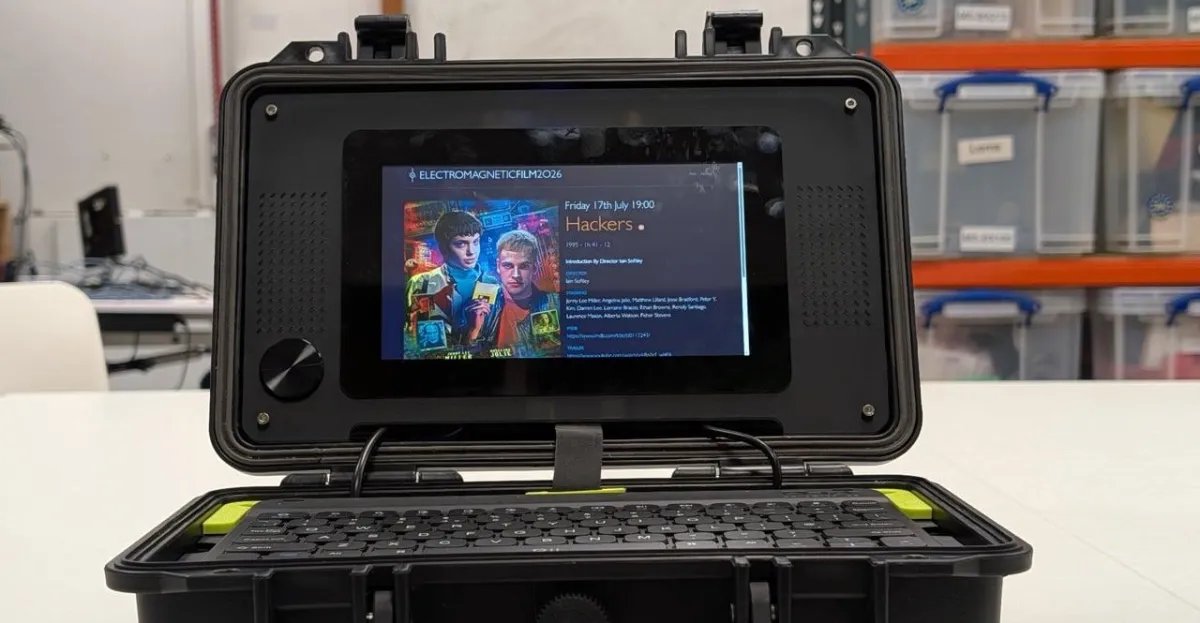
Recognizing the massive influx of hobbyists eager to try their hand at engineering, the organization has officially entered the fray. Raspberry Pi has released its own comprehensive cyberdeck tutorial. While the official guide provides a stable, reliable foundation—typically utilizing a rugged, utilitarian Pelican-style case—it serves primarily as a jumping-off point for more ambitious creators looking to customize their own gear.
Navigating Market Realities
The push toward DIY computing also comes at a time when the Raspberry Pi ecosystem itself is shifting. The company has faced a series of price increases over the past year, driven by the global volatility of the semiconductor market and rising costs for RAM and essential components.
For many, building a cyberdeck is no longer just a creative outlet; it is a way to maximize the value of their hardware. The 16GB version of the Raspberry Pi 5, which serves as the centerpiece for the company’s official guide, saw a $100 price increase in April—a significant hike considering the board’s original $120 price point. By housing these boards in recycled or thrifted materials, users are finding ways to justify the investment in higher-end components while creating a portable machine that is entirely unique.
Whether driven by the aesthetic appeal of a “cyberpunk” lifestyle or the practical need to build a modular, portable machine, the cyberdeck community shows no signs of slowing down. As components become more powerful and creators more inventive, the line between a hobbyist project and a high-performance portable workstation continues to blur.