






Phantom Blade Zero: Redefining Action Combat
The landscape of action gaming is crowded with titles that prioritize high-intensity combat and precise timing. Yet, developer S-GAME has managed to carve out a distinct presence with Phantom Blade Zero. By blending smooth, responsive parry-based combat with a unique aesthetic that fuses traditional wuxia elements with industrial design, the title stands out as a sophisticated entry in the genre. Six hours of hands-on experience reveal a game that is not only mechanically refined but also packed with deliberate design choices that elevate it beyond standard swordplay simulators.
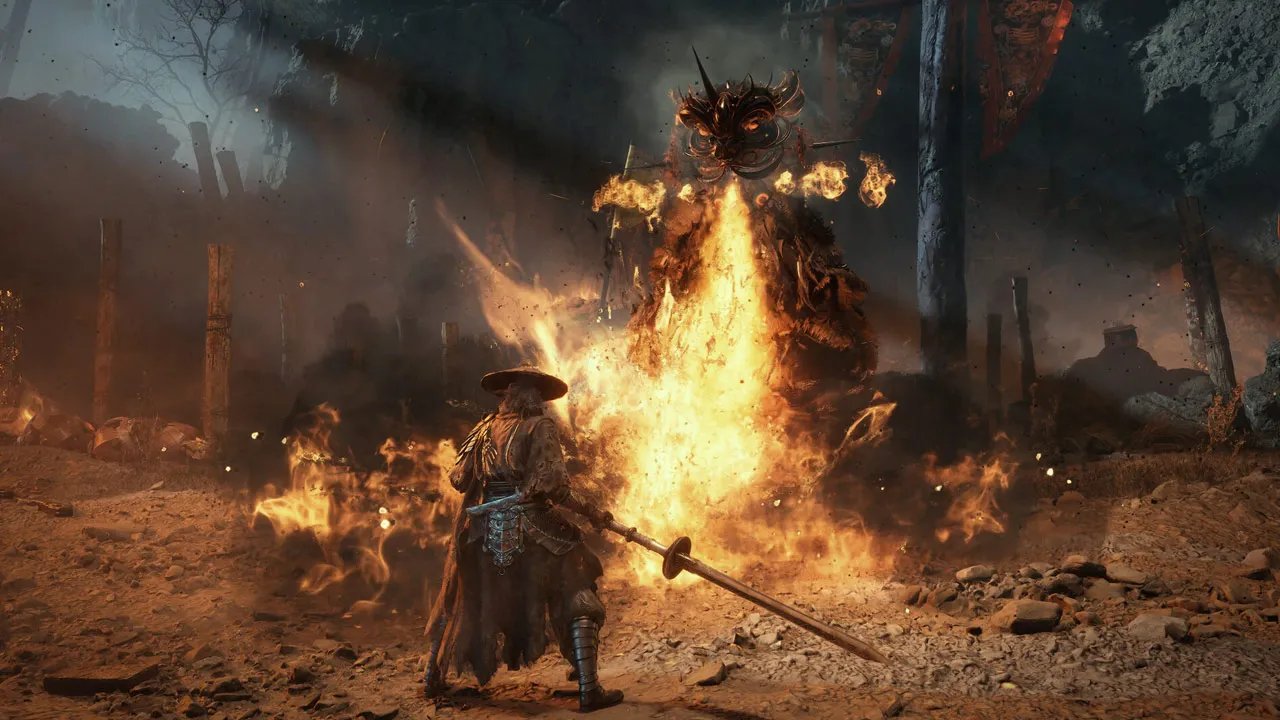
The core of the experience lies in its combat fluidity. Many games in this space feel rigid, but Phantom Blade Zero emphasizes momentum. Players move through encounters with a sense of capability that makes even complex sequences—such as dual-wielding, environmental traversal during fights, and defensive blocking—feel natural. The parry system acts as the backbone of the gameplay, rewarding precise input with satisfying feedback and brutal finishers that punish enemies for overextending. This sense of mastery is crucial, as the game’s difficulty scales to challenge the player’s ability to react, parry, and counter effectively.
Weapon Diversity and Progression Systems
A major factor in the longevity of the combat loop is the diversity of the available arsenal. Each weapon type brings a unique tactical framework, necessitating different approaches to engagement. During the preview, access to various melee tools showcased how the developer has prioritized bespoke movesets. For example, specific blades encourage aggressive, high-damage playstyles, while others lean into mobility and crowd control, such as a drunken fighting style that allows for unpredictable movement and ranged telekinetic blade attacks.
Complementing the weaponry is a robust progression system that adds depth to the character build process. Players can invest in skill trees that offer both active and passive improvements. Active abilities, such as movement-canceling maneuvers that facilitate quick dodges, provide more agency in high-pressure scenarios, while passive upgrades—like improved Sha-Chi regeneration—help sustain long-duration combat sessions. This integration of role-playing mechanics allows players to fine-tune their combat effectiveness, turning the game into more than just a sequence of encounters by providing meaningful opportunities for buildcrafting and resource management.
Mastering the Boss Encounters
The quality of boss encounters is often a barometer for the success of action-oriented titles, and Phantom Blade Zero excels in this area. Early encounters serve as effective tutorials, introducing mechanics like telegraphing and armor management, but the game quickly introduces more complex challenges. Bosses vary in style, from agile, air-based combatants to massive, heavily armored foes that require creative solutions to break through their defenses.
One standout element is the integration of high-profile cinematic encounters. The presence of characters like Mó Yuan, played by Donnie Yen, adds weight to the narrative stakes. These encounters are choreographed with precision, featuring top-tier animations that push the technical capabilities of the game to provide a visual spectacle. These fights are not merely tests of reflexes but are designed to feel like an extension of the character’s journey, ensuring that each major victory feels earned rather than accidental.
World Building and Environmental Design
Beyond the immediate combat, the world of Phantom Blade Zero is built with a surprising density of content. The level design encourages exploration, rewarding players who venture off the beaten path with secret areas, unique weapons, and challenging optional bosses. The aesthetic direction is particularly notable; the juxtaposition of industrial machinery and serene mountain settings creates an atmosphere that feels distinct within the wuxia fantasy framework.
Side quests serve as more than just filler; they act as a gateway to exploring deeper into the environment, offering players reasons to backtrack through previously cleared areas. While some side objectives involve basic collection or combat, they are contextualized well enough to keep the player engaged with the world. These moments of quiet, coupled with the dense secrets hidden throughout the maps, ensure that the game maintains a consistent level of interest even when the player is not currently engaged in a high-stakes duel.
Technical Considerations and Optimization
While the gameplay mechanics and stylistic choices are strong, technical performance remains a point of observation as the launch window approaches. During the demo, the build experienced noticeable framerate instability, even on high-end hardware. S-GAME has indicated that optimization is the primary focus for the final stages of development, which is a necessary step given the demand for fluid motion in a game that relies so heavily on reaction-time-based combat.
As the release date nears, the stability of the final build will be a critical factor for both PC and PS5 users. Players who value high-speed, technical action are sensitive to performance hitches, as any discrepancy between input and on-screen response can disrupt the flow of a difficult encounter. Despite these early warnings, the strength of the core combat loop and the depth of the world design position Phantom Blade Zero as a noteworthy title. It manages to balance the intensity of a high-difficulty action game with the polish of a modern, well-realized adventure, making it a compelling prospect for the upcoming release cycle.
Disclaimer: This content is auto-generated for informational purposes only.
Source: Read Original News