








Prairie Band Potawatomi Nation Rethinks Business Ethics After ICE Contract Controversy
The Prairie Band Potawatomi Nation has taken a firm stand on the intersection of tribal sovereignty and corporate responsibility, signaling a major shift in how tribal enterprises navigate federal contracts. Chairman Joseph “Zeke” Rupnick recently detailed the tribe’s decision to terminate a $29.9 million contract involving U.S. Immigration and Customs Enforcement (ICE) facilities, emphasizing that tribal economic gains must never supersede traditional values.
The move followed a public outcry in 2025 after it was revealed that KPB Services LLC—a subsidiary of the tribe’s economic development arm, Prairie Band LLC—had secured a deal to provide design and infrastructure services for federal detention centers. The backlash was swift, and within 30 hours of the news surfacing, the tribe’s leadership fired the executives responsible for the contract.
Balancing Autonomy with Tribal Principles
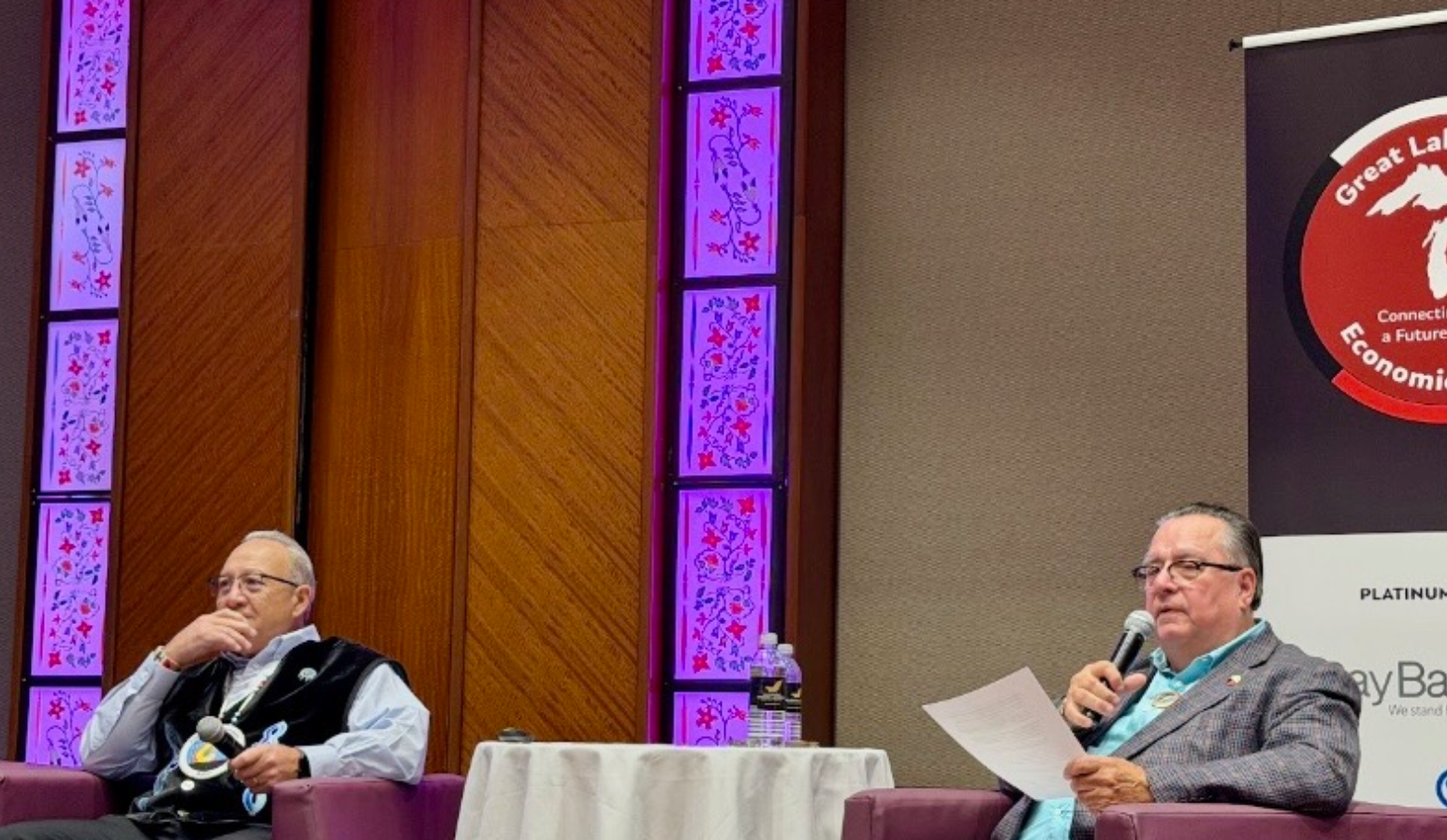
During a recent fireside chat at the Great Lakes Tribal Economic Summit, Chairman Rupnick explained that the incident highlighted a dangerous disconnect between the “Harvard model” of corporate autonomy and the fundamental principles of the Nation. While many tribes grant economic development boards independence to foster growth, Rupnick argued that this autonomy cannot exist in a vacuum.
“Just because there’s a grant there, not all money is good money,” Rupnick said. The Chairman drew a poignant parallel between modern detention centers and the historical trauma of the reservation system, noting that the tribe could not morally justify participating in the incarceration of others—a plight all too familiar to Indigenous peoples.
The tribe managed to exit the agreement because the project did not rely on their 8(a) federal contracting status, allowing them to withdraw as a subcontractor without incurring the legal penalties often associated with such federal departures.
Technology, Ethics, and the Future of Tribal Contracting
As tribes increasingly navigate a landscape dominated by federal spending and complex supply chains, the line between legitimate commerce and ethically questionable business is becoming harder to define. This is particularly relevant as tribal LLCs expand into sectors like green energy, EV infrastructure, and government technology services.
Rupnick noted that the future of these businesses requires a “smell test” that goes beyond mere profitability. He raised questions about how tribal leaders should evaluate contracts with agencies like the Department of Prisons, specifically when those agencies also manage detention centers. The Chairman urged other tribal leaders to implement stricter oversight within their operating agreements, ensuring that their business arms remain accountable to the community’s conscience.
A New Framework for Indigenous Governance
For the Prairie Band Potawatomi, the controversy has sparked a necessary evolution in governance. The goal is to design an operating framework that allows for economic prosperity while safeguarding the Nation’s reputation and moral standing for future generations.
Rupnick’s perspective on immigration also influenced the decision, as he views migrants from the south as kin. He noted that many Indigenous traditions view the Americas as a singular, connected landscape where movement and trade were once free. By opting out of a contract that would have directly facilitated detention, the tribe reaffirmed its commitment to its cultural heritage.
“We need to figure out the best way we can use our operating agreement while still allowing the LLC autonomy and the freedom to generate revenue, but making sure that it still fits in line with our values and traditional principles,” Rupnick concluded. As the tribe continues to refine its business oversight, the message to other tribal nations is clear: economic growth must remain tethered to the principles that define the community’s identity.
Disclaimer: This content is auto-generated for informational purposes only.
Source: Read Original News