






Apple Music is reinforcing its position as a premium streaming provider with a significant technical upgrade for its television platform. As competition in the audio streaming market intensifies, Apple is leveraging its hardware ecosystem to offer high-fidelity listening experiences directly through the living room. With the introduction of high-resolution lossless audio support for the Apple Music app on Apple TV 4K devices running tvOS 27, the company is bridging the gap between convenience-based streaming and audiophile-grade reproduction.
Understanding the Technical Leap to Lossless Audio
At the core of this update is the transition to high-resolution lossless audio. Traditional streaming services often utilize lossy compression formats like AAC or MP3 to minimize bandwidth consumption and ensure playback stability across varying network conditions. While these formats are efficient, they discard data that the human ear might perceive as less critical, which can result in a loss of depth and nuanced detail in complex musical arrangements.
Lossless audio, by contrast, utilizes ALAC (Apple Lossless Audio Codec) to preserve every bit of the original file. When a user streams this content, the file is compressed and then reconstructed during playback to produce an exact, bit-for-bit duplicate of the studio recording. By bringing this capability to the Apple TV 4K, Apple enables users to pipe studio-mastered quality audio through their home theater systems, assuming their connected soundbars, receivers, or speaker setups are calibrated to handle high-fidelity data streams.
Compatibility and Hardware Requirements
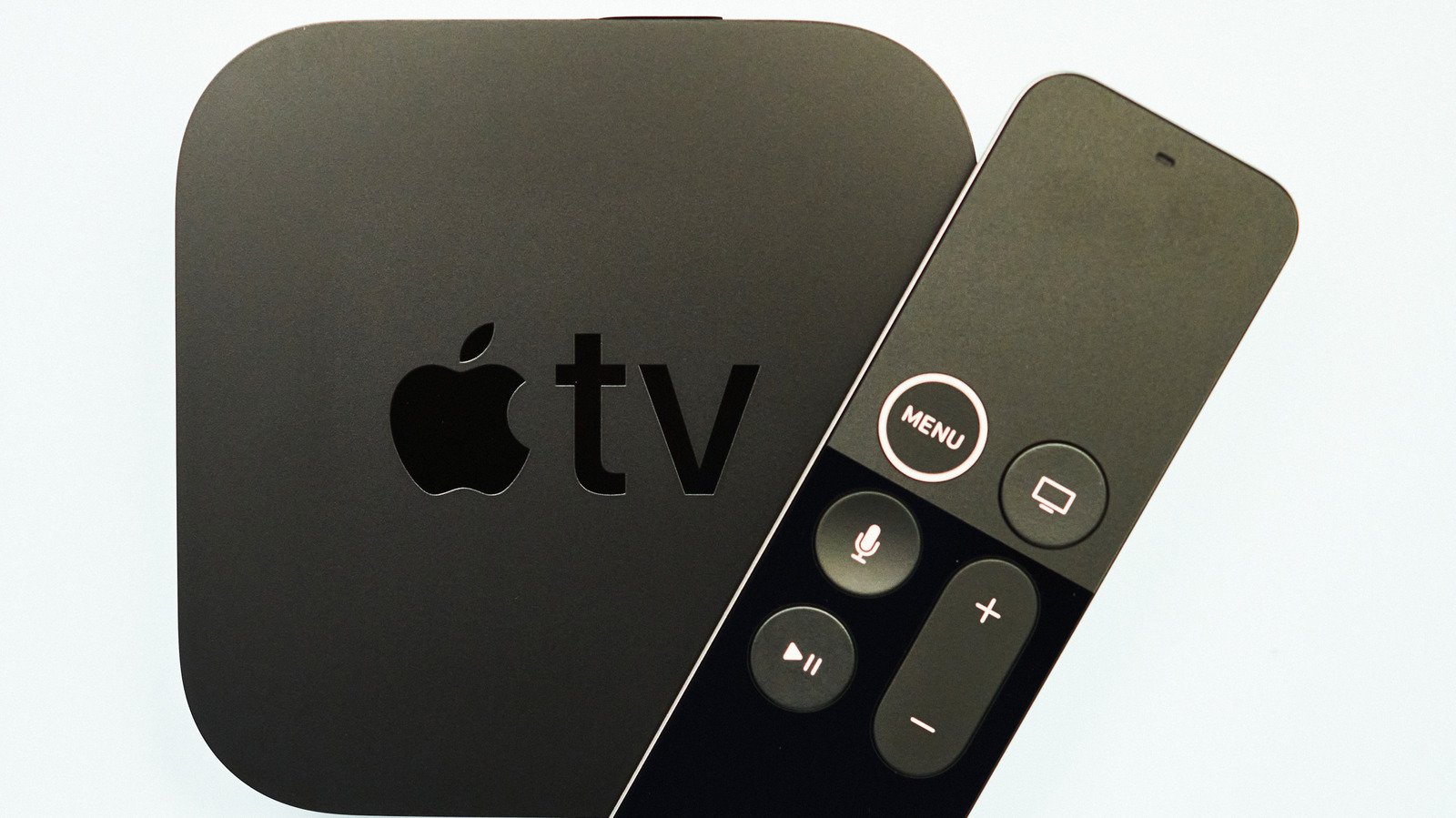
The rollout of high-resolution lossless support is not universal across all Apple streaming hardware. Apple has restricted this feature to the second and third-generation Apple TV 4K models, specifically those capable of running the latest tvOS 27 software. This limitation stems from the processing power required to decode high-bandwidth audio streams and the necessity for specific output protocols that older hardware components may not support.
Owners of legacy Apple TV models will not gain access to this update, marking a clear divide between current hardware and previous generations. To take full advantage of this change, subscribers must ensure their playback chain—from the Apple TV box through the HDMI cables to their external audio components—is compatible with high-bitrate, high-sample-rate audio formats. Utilizing the internal speakers of a standard television will generally not provide the sonic fidelity that lossless audio is designed to deliver.
The Intersection of Spatial and High-Res Audio
The recent update arrives as part of a broader strategy to enhance the Apple Music catalog, which now exceeds 100 million tracks. Since the initial launch of lossless support in 2021, Apple has focused on marrying high-resolution data with Spatial Audio and Dolby Atmos technology. While lossless audio focuses on the precision of the stereo mix, Spatial Audio creates a multidimensional sound field that simulates a surround-sound environment.
When these technologies operate in tandem, the result is a significant shift in how listeners interact with music in a home environment. High-resolution lossless audio ensures that the frequency range and dynamic range of the original mix are maintained, while Dolby Atmos provides spatial placement for instruments and vocals. For home theater enthusiasts, this integration creates an immersive environment where the clarity of a high-fidelity track meets the breadth of a cinematic soundstage.
Use Cases for High-Fidelity Living Room Audio
The impact of this update is most pronounced for users who utilize their Apple TV as a primary entertainment hub rather than just a streaming video device. By shifting the Apple TV into a high-fidelity audio source, users can enjoy deep-listening sessions in a communal space, a shift from the often solitary experience of listening through headphones or high-end desktop audio setups.
For listeners engaged in critical listening or those who prefer the acoustic characteristics of physical media—often described as being similar to the quality of compact discs—the update provides a bridge to the convenience of the cloud. Whether utilizing dedicated surround sound systems or high-end stereo speakers connected to an AV receiver, the ability to stream high-resolution audio simplifies the process of achieving studio-quality sound without the need for physical discs or external DACs (Digital-to-Analog Converters) connected to legacy audio equipment.
Market Impact and Future Perspectives
This technical expansion serves to differentiate Apple Music from platforms like YouTube Music or standard tiers of Spotify, which prioritize broad accessibility and algorithmic curation over raw file fidelity. By catering to the demands of audiophiles while maintaining the user-friendly interface of tvOS, Apple is effectively carving out a niche that combines high-end audio performance with consumer-grade simplicity.
As audio quality becomes a more prominent metric for subscribers, other major platforms will likely feel pressure to follow suit with higher-bitrate streaming tiers. However, the requirement for specific, powerful hardware like the Apple TV 4K highlights the challenge of providing high-resolution content to the general public. As it stands, the combination of Apple’s vast catalog and its updated software environment provides a compelling reason for high-fidelity enthusiasts to integrate their home streaming setup directly into the Apple ecosystem.
Disclaimer: This content is auto-generated for informational purposes only.
Source: Read Original News