




Diplomatic Caution: India Cites Trump’s ‘Unpredictability’ for Avoiding Joint G7 Presser
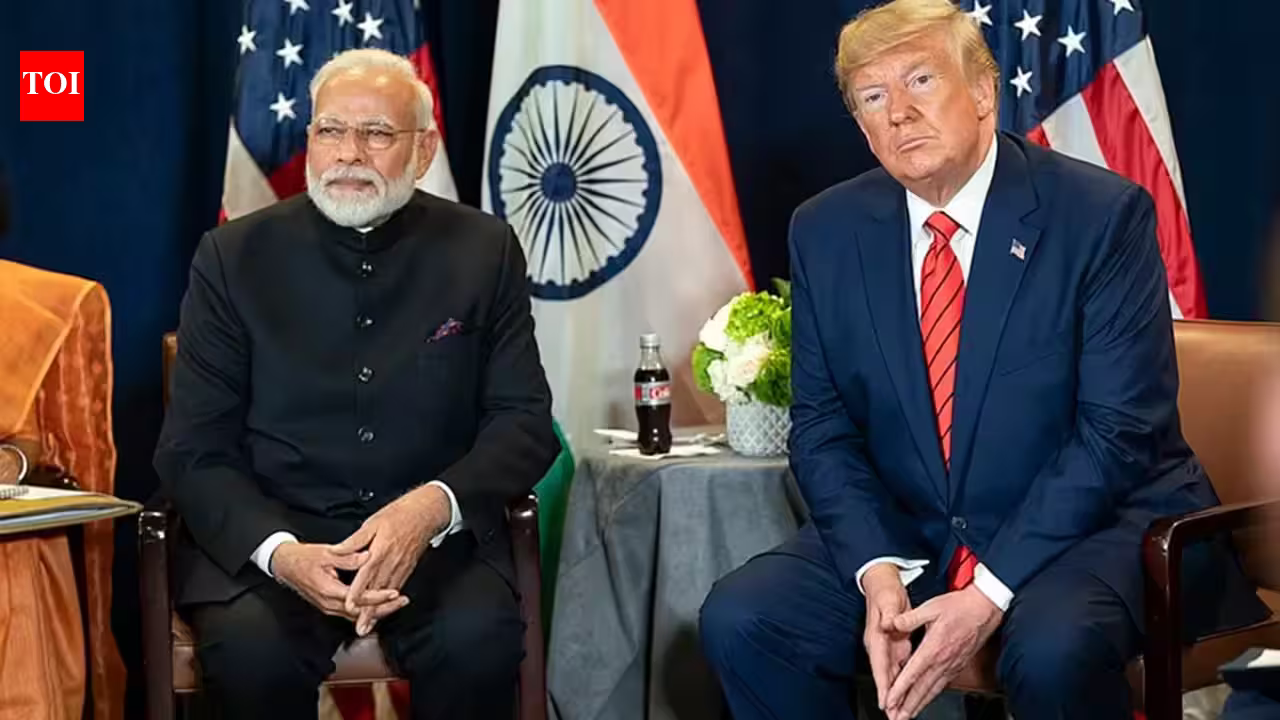
NEW DELHI – The Indian government has defended its decision to forgo a joint news conference following the meeting between Prime Minister Narendra Modi and U.S. President Donald Trump on the sidelines of the G7 summit in France. Officials have openly attributed the move to concerns over the U.S. President’s volatile and often unpredictable conduct during media interactions.
A Preemptive Diplomatic Shield
According to government sources, New Delhi’s request to limit media engagements to photo opportunities and brief opening remarks was a calculated move to avoid the chaotic scenarios that have previously unfolded during President Trump’s meetings with other world leaders.
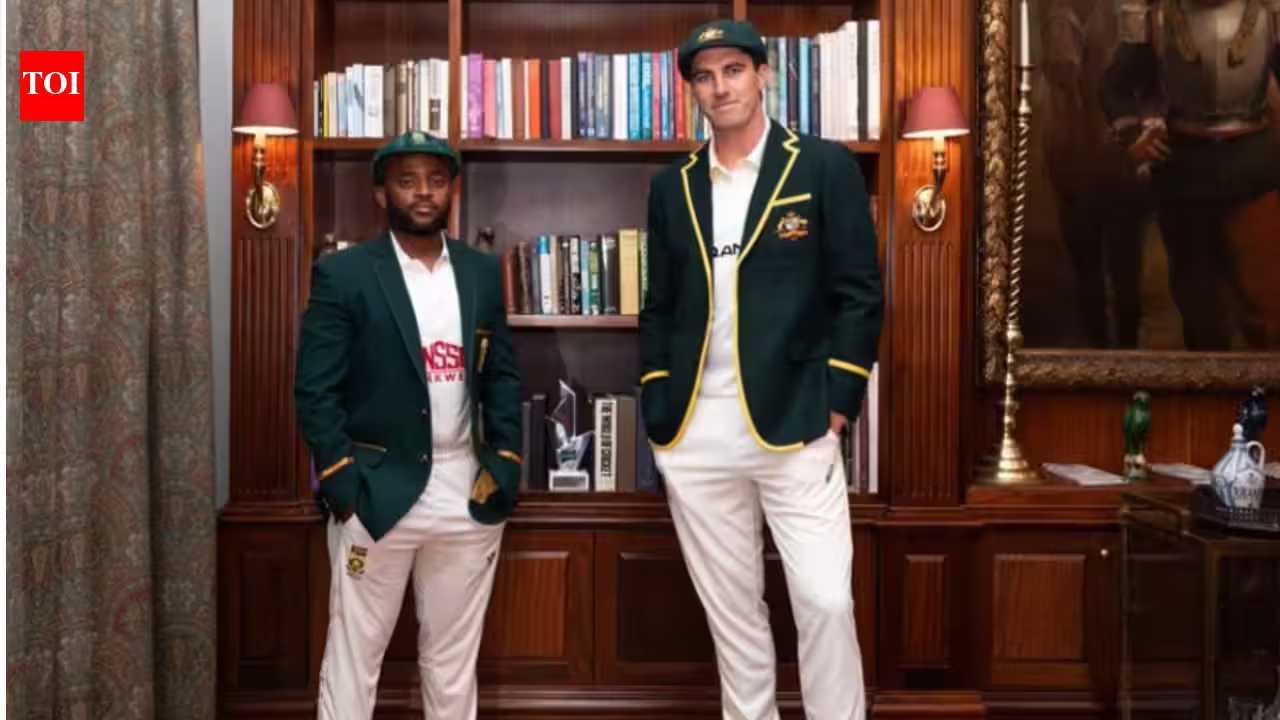
The government pointed to high-profile incidents involving the presidents of South Africa and Ukraine, where joint media appearances devolved into televised confrontations. In those instances, Trump frequently dominated the floor, often “hectoring” his counterparts, a dynamic New Delhi was keen to avoid.
“Delegations when meeting Donald Trump are wary about his unpredictable behavior,” a government source said on the condition of anonymity. “Discussions regarding arrangements for public appearances of leaders are a normal practice ahead of any VVIP visit; thus, the cautious approach by India.”
The Ambassadorial Controversy
The issue gained public attention following remarks made by U.S. Ambassador to India, Sergio Gor. Gor sparked a minor diplomatic stir by disclosing private discussions between the two nations, claiming that India had requested to skip a formal press conference to avoid taking questions.
Despite this request, the U.S. side proceeded with a 45-minute unscripted media session. The ambassador’s public revelation of these behind-the-scenes diplomatic arrangements is understood to have caused frustration within the Indian government, which views such pre-meeting negotiations as strictly confidential.
Standard Practice vs. Global Scrutiny
While the Indian Ministry of External Affairs (MEA) maintains that it is standard procedure for Prime Minister Modi to avoid unscripted joint news conferences with visiting dignitaries, the policy has faced increasing pressure. Journalists in countries such as Australia, New Zealand, the Netherlands, and Norway have recently questioned the lack of media access afforded to the Prime Minister during international visits.
Despite the criticism, the MEA remains firm, asserting that all arrangements for international summits are handled according to established diplomatic protocols. By framing the decision as a necessary safeguard against Donald Trump’s volatility, the government has sought to shift the narrative from a lack of transparency to a strategic exercise in maintaining diplomatic decorum.
As the geopolitical landscape remains complex, the episode highlights the challenges of balancing standard state-visit protocols with the increasingly unconventional media styles of modern world leaders.