




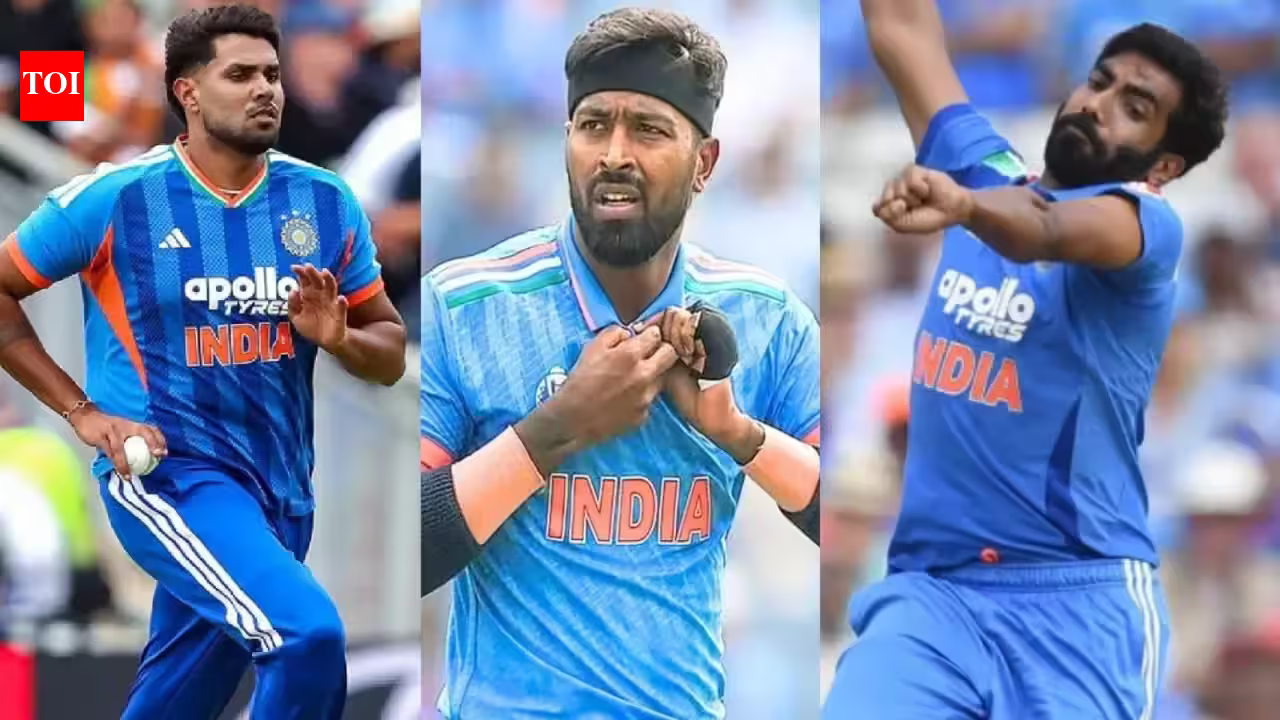
CRISIS behind the scenes: An internal audit of the Board of Control for Cricket in India’s (BCCI) Centre of Excellence (CoE) has laid bare a growing epidemic of player injuries that is threatening to derail the national team’s strategic planning. According to the CoE’s latest annual report, a staggering 32 top-tier cricketers were sidelined by injury between April 2025 and March 2026, forcing a budgetary overhaul and igniting a debate over the efficacy of the board’s medical protocols.
The report, accessed exclusively, highlights a concerning trend: the list of injured personnel has swelled significantly in the wake of the 2026 Indian Premier League, with at least two key players breaking down during every international series since. As Team India Test and ODI captain Shubman Gill and head coach Gautam Gambhir struggle to construct consistent squads, the physical durability of India’s biggest stars has become the primary talking point in the corridors of power.
A Soaring Financial Commitment
In response to the physical crisis, the BCCI has opted for a massive increase in funding for the Centre of Excellence. The board has hiked the CoE’s budget by nearly Rs 35 crore compared to the previous financial year. The projected expenses for the 2026-27 period now stand at a daunting Rs 127 crore, a significant leap from the Rs 92 crore spent in the previous cycle. These funds cover administrative costs, specialized training courses, and high-performance match expenses, reflecting the sheer scale of the logistical nightmare the board is currently attempting to manage.
While the report confirms that 68 players across both men’s and women’s cricket have been treated by the Sports Science Medicine (SSM) team, the spotlight remains firmly on the men’s side. The vast majority of these injuries have been classified as soft-tissue issues—a red flag for conditioning experts—with the notable exception of Rishabh Pant’s high-profile foot fracture sustained during a Test in Manchester last July.
The Invisible Rehab Trail
The report further reveals a level of opacity in player management that may raise eyebrows among the Indian faithful. It confirms that captain Rohit Sharma underwent rehabilitation at the CoE for a hamstring injury following the 2026 IPL, a period during which no official communication regarding his fitness was released to the public.
The list of repeat visitors to the CoE is equally concerning. Star powerhouses including Jasprit Bumrah, Hardik Pandya, Washington Sundar, Nitish Kumar Reddy, Prasidh Krishna, and Harshit Rana have frequented the facility repeatedly. Specifically, Rana, Pandya, and Reddy have each spent at least four months within the CoE walls over the last 18 months, highlighting the persistent struggle to keep the country’s premier fast-bowling all-rounders on the field. The inclusion of Virat Kohli, Varun Chakravarthy, Prince Yadav, and Harsh Dubey in the latest injury data as of September 30 further compounds the availability headache for the selectors.
Communication Breakdown at the Top
Central to the turmoil is a perceived administrative vacuum. The crucial post of SSM head has remained vacant since the resignation of Nitin Patel in March 2025, with the BCCI only recently moving to advertise the role. Sources indicate that this lack of leadership has resulted in a fragmented communication channel.
Currently, VVS Laxman serves as the solitary bridge between the national team’s medical staff and the CoE’s specialists. The tension is palpable; Team India strength and conditioning coach Adrian Le Roux reportedly suggested specific modifications to workload management in June 2025, but the CoE has remained steadfastly committed to its existing internal mechanisms. This clash of philosophies is reminiscent of past fitness crises in 2017 and 2021-22, though the current situation appears more deeply entrenched due to the sheer volume of elite players affected.
Operational Gaps in High Performance
Beyond the medical issues, the CoE’s operational efficiency has also come under fire. The annual report discloses that 15 of the 57 budgeted camps and tournaments were never conducted, calling into question the execution of the board’s high-performance calendar.
While the CoE did successfully host 25 elite camps and specialized training for match officials and coaches, the lack of follow-through on the remaining sessions has deprived promising domestic talent of consistent oversight. On a more positive note, the introduction of the ‘training block’ programme—which saw 37 players, including 11 centrally contracted stars, undergo specialized strength and skill conditioning—offers a glimmer of hope.
As the BCCI looks toward the upcoming international season, the mandate for the leadership is clear: bridge the communication gap, stabilize the medical department, and find a sustainable equilibrium between the rigors of modern cricket and the physical limits of India’s finest athletes. For now, the injury report serves as a stark reminder that the biggest challenge for Indian cricket in 2026 isn’t just the opposition—it’s the man in the mirror, and his ability to stay on the pitch.
Disclaimer: This content is auto-generated for informational purposes only.
Source: Read Original News