








India to Abolish Physical Boarding Pass Stamping for Departing Travelers
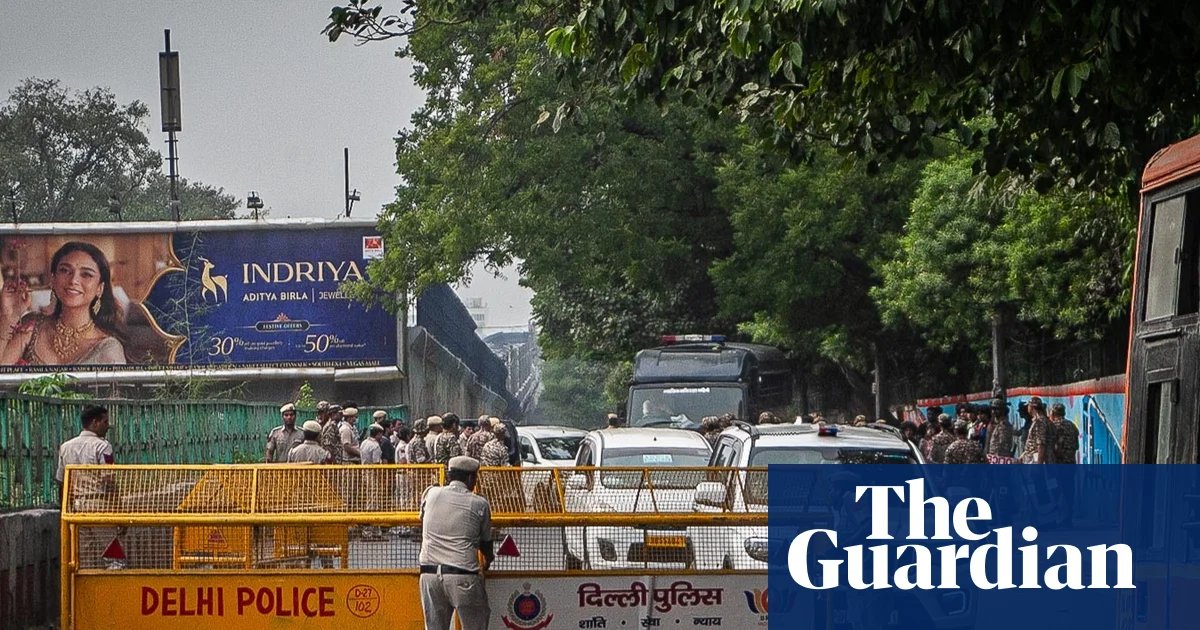
India is taking a significant step toward modernizing its border control infrastructure, with the Bureau of Immigration (BoI) announcing a major policy shift for international departures. Starting September 1, 2026, passengers departing from Indian airports will no longer be required to have their boarding passes physically stamped by immigration officials.
The move is part of the Ministry of Home Affairs’ ongoing efforts to streamline airport operations, reduce passenger wait times, and fully embrace digital travel documentation.
Eliminating Bottlenecks
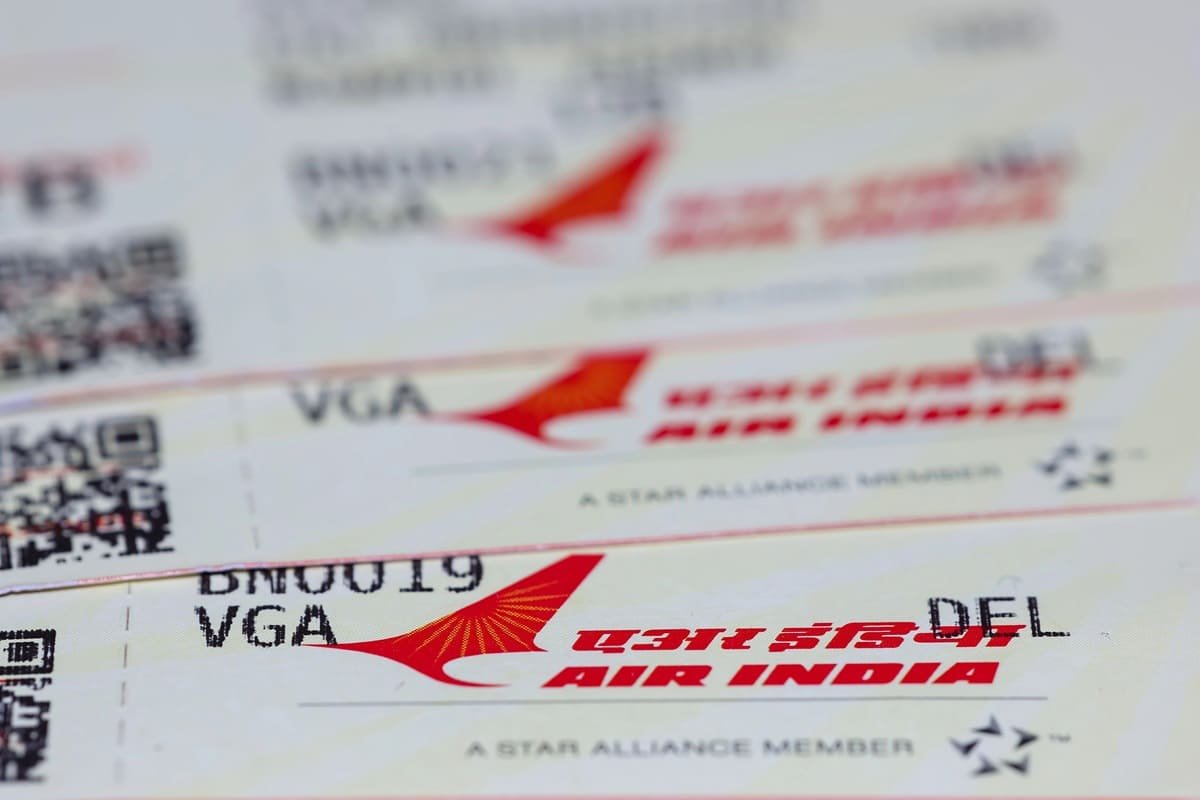
For years, the standard procedure for international travelers departing India has involved immigration officers manually stamping a passenger’s paper boarding pass after verifying their travel documents. However, this process has frequently resulted in operational friction.
Deepak Yadav, the Senior Foreigners Regional Registration Officer (FRRO) in Delhi, noted that the legacy system has caused unnecessary inconvenience to travelers. In many instances, passengers have experienced delays or travel complications due to stamps being applied incorrectly, making the boarding pass difficult for airline staff or automated systems to read at the departure gate.
By removing the requirement for these physical stamps, the government aims to create a more seamless experience for both passengers and airport staff. “Physical boarding passes will continue to be accepted at the immigration counters,” Yadav clarified in a recent circular, “but they will no longer be stamped.”
A Digital-First Experience
Under the new guidelines, travelers will be encouraged to utilize electronic boarding passes stored on their smartphones. This digital transition is designed to align with the growing reliance on airline mobile applications and digital wallets.
The policy change also benefits those utilizing the country’s Fast Track Immigration – Trusted Traveller Programme (FTI-TTP). Participants in this program, who already benefit from automated e-gates, will find that the integration of electronic boarding passes makes their transit through international terminals significantly faster and more efficient.
Reminder: Entry Requirements Remain Unchanged
While departure procedures are becoming more digital, the BoI emphasizes that entry requirements for those traveling to India remain strictly in effect.
- Visas and e-Visas: Foreign nationals must ensure they hold a valid visa or e-Visa before departure, unless they belong to a visa-exempt category. The e-Visa remains the primary entry method for tourists and business travelers from nations such as the U.S., UK, Japan, and Australia.
- e-Arrival Card: Since October 2025, all foreign travelers have been required to complete an e-Arrival Card. This digital form must be submitted within 72 hours of arrival via the official Indian Visa Online portal or the “Su-Swagatam” mobile application.
- Air Suvidha 2.0: Travelers should also remain mindful of health regulations. The government relaunched the “Air Suvidha 2.0” system in June 2026, requiring international arrivals to submit a digital health declaration up to 24 hours before their flight.
As India continues to digitize its border management, this latest reform marks a welcome shift away from paper-heavy bureaucracy, signaling a more agile and tech-forward approach to international travel.