








Trump Administration Escalates “Economic Asphyxiation” Strategy Against Iran
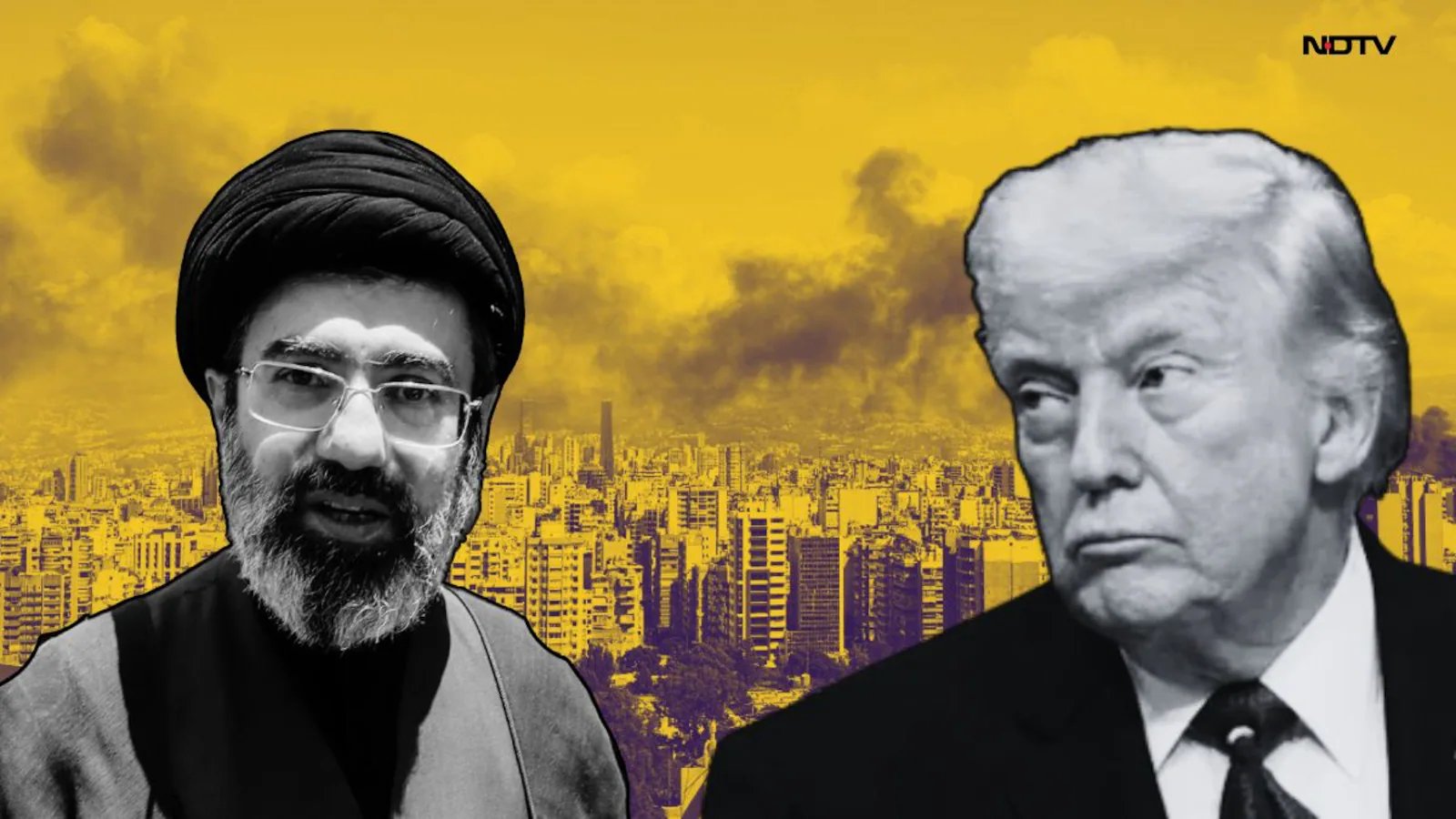
WASHINGTON – The Trump administration has unveiled an aggressive new phase of its “economic D-Day” campaign, detailing a comprehensive strategy to isolate Tehran from the global financial system. Aiming for what officials describe as the “economic asphyxiation” of the Iranian regime, the White House has signaled a zero-tolerance approach toward international entities that facilitate business with the Islamic Republic.
The announcement marks a critical turn in the ongoing Middle Eastern conflict, which has persisted for nearly six months in a state of grinding stalemate. With peace negotiations stalled and Tehran effectively obstructing major maritime traffic through the Strait of Hormuz, the U.S. government is pivoting toward the complete financial starvation of the Iranian state.
A Broad Targeting Scope
U.S. Treasury Secretary Scott Bessent labeled the expansion as the “endgame” for Iran’s current economic model. The new directive significantly broadens the scope of secondary sanctions, now targeting key pillars of the Iranian economy, including the digital asset, technology, gold, aviation, and shipping sectors.
Simultaneously, the Treasury Department has imposed penalties on a network of 60 individuals, companies, and vessels accused of enabling Iran’s illicit revenue streams, weapons procurement, and cyber-warfare capabilities. These measures have a global reach, impacting entities based in the United Arab Emirates (UAE), Hong Kong, China, Singapore, and across Europe.
High-Stakes Diplomacy with Trading Partners
The move threatens to place several of Tehran’s primary economic lifelines on a direct collision course with Washington. Analysts suggest that the world’s major trading partners of Iran—including China, the UAE, Turkey, Iraq, and India—are now facing severe pressure to disentangle their economies from the Iranian market or risk being cut off from the U.S. financial system.
- China: As Iran’s largest trading partner, Beijing accounts for nearly 90% of Iranian oil exports. Despite public opposition from Beijing, which maintains that U.S. sanctions are “illegal,” the U.S. is increasingly focused on Chinese independent refiners who frequently rebrand Iranian crude to circumvent detection.
- United Arab Emirates: Once a critical financial gateway for Iran, the UAE recently signaled a major policy shift. Following ballistic missile threats against its own territory and tankers, the Emirates has moved to suspend financial transactions with Iran. Washington is now actively pressuring Abu Dhabi to enforce stricter oversight on the “shadow banking” networks operating out of Dubai.
- Turkey: Despite maintaining a 25-year gas supply contract, Ankara remains in a precarious position. While Turkey has sought to diversify its energy imports, it continues to rely on Iranian gas to meet domestic demand, creating a potential point of friction with U.S. enforcement teams.
- Iraq: Deeply dependent on Iran for electricity and natural gas, Iraq faces a severe energy crisis if U.S. sanctions prevent Baghdad from settling its multi-billion dollar energy debt with Tehran.
- India: Having only recently resumed Iranian oil imports, India finds its energy security strategy under renewed threat. Any move to sanction Indian refineries would force New Delhi to make a difficult choice between maintaining historical trade relations and retaining access to American markets.
The “Endgame” Outlook
As the U.S. Treasury prepares to operationalize these secondary sanctions, the global market braces for the impact. With the administration vowing to penalize any “enabler” of Iranian commerce, the coming months will serve as a definitive test of how effectively Washington can leverage its financial dominance to force a change in Tehran’s regional behavior.
For the nations currently sustaining Iran’s economy, the message from the White House is clear: the period of quiet accommodation is over, and the cost of doing business with Tehran is rising to an unsustainable level.