







Microsoft Elevates Surface Portfolio with Nvidia Integration
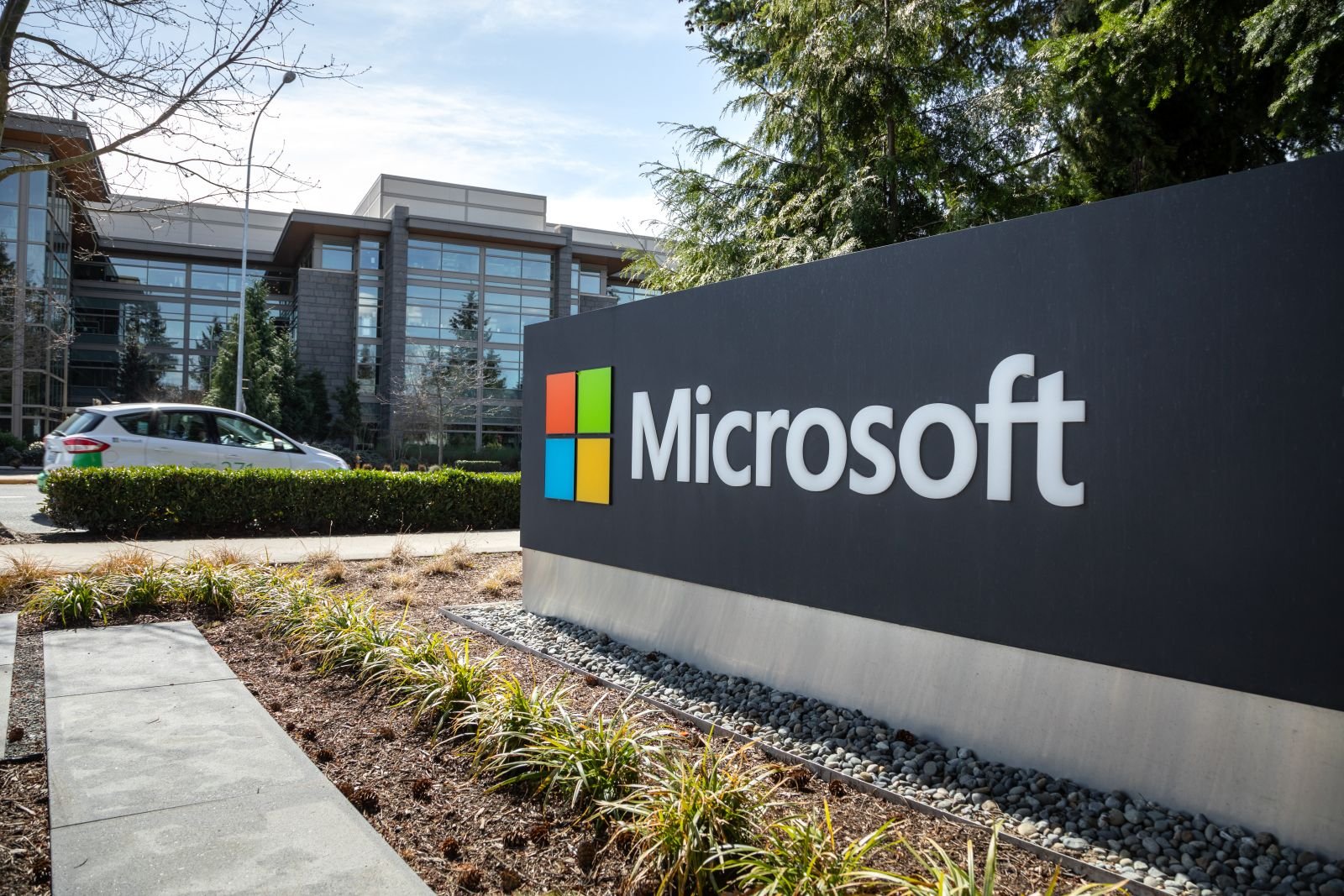
Microsoft has officially signaled a major shift in its hardware trajectory by integrating high-performance Nvidia graphics processing units into its latest Surface lineup. This move marks a departure from reliance on integrated graphics, positioning the Surface brand as a formidable tool for professional-grade creative work and artificial intelligence development. As the company’s stock valuation reaches historical peaks, this hardware push appears designed to capture a more technical, high-value demographic that requires raw computational power within a mobile form factor.
The transition to Nvidia hardware is not merely a component swap; it represents a fundamental change in the thermal management and power delivery architecture of Microsoft’s flagship devices. By utilizing dedicated graphics cards, the new models support accelerated workloads that were previously impossible on a thin-and-light laptop. This strategic integration reinforces Microsoft’s broader corporate mandate to dominate the software-hardware stack for modern computing, specifically targeting power users who demand performance without compromising the aesthetic and functional design language of the Surface line.
Bridging the Gap Between Mobility and Desktop Performance
The central engineering challenge solved by this hardware upgrade is the historical trade-off between mobility and graphical fidelity. Historically, users requiring serious rendering capabilities—such as 3D modelers, data scientists, and video editors—were tethered to bulky workstations. Microsoft’s deployment of advanced Nvidia architectures addresses this by leveraging optimized mobile versions of discrete GPUs, which offer significant performance gains in floating-point operations.
This technological pivot enables the device to handle complex simulations and neural network training sessions locally. For the end user, this means the ability to refine machine learning models or execute high-fidelity CAD renders during travel, rather than relying exclusively on cloud-based processing. The inclusion of these GPUs is paired with proprietary firmware adjustments that optimize power consumption, allowing the hardware to throttle performance dynamically based on the current workload. This efficiency is critical for maintaining the professional battery life expectations that define the Surface brand, ensuring that the machine remains functional throughout an entire workday.
AI-Driven Workflows and the Copilot Advantage
The convergence of Nvidia silicon and Microsoft’s software ecosystem is designed to capitalize on the increasing prevalence of generative AI. Because Nvidia’s architecture is built upon the CUDA parallel computing platform, the new Surface devices are inherently optimized to run local Large Language Models and stable diffusion frameworks. This hardware-software synergy allows for more responsive interactions with Microsoft’s Copilot features, as the local GPU can offload tasks that might otherwise consume excessive system memory or bandwidth.
By embedding this technology, Microsoft is creating an ecosystem where developers can experiment with AI applications directly on their local machines before scaling them to Azure cloud infrastructure. This creates a logical pipeline for enterprise clients: they develop locally on high-performance Surface units and deploy globally on Microsoft’s server-grade hardware. The impact of this alignment is substantial, as it encourages businesses to standardize their hardware procurement around the Microsoft ecosystem, further entrenching the company’s market position as shares continue to reflect this integrated growth strategy.
Thermal Management and Hardware Longevity
Integrating high-performance discrete graphics into a compact chassis creates significant thermal challenges. To mitigate this, Microsoft has introduced a revised cooling system utilizing vapor chamber technology and redesigned airflow paths. These improvements allow the devices to sustain higher clock speeds for longer durations without experiencing the thermal throttling that typically plagues thinner computing devices.
The structural engineering required to house these components has also necessitated a slight shift in chassis composition, utilizing magnesium-aluminum alloys that improve heat dissipation while retaining the premium feel associated with the Surface line. From a maintenance perspective, the inclusion of more robust internal cooling systems suggests a longer potential lifecycle for these devices. As corporate IT departments increasingly scrutinize the total cost of ownership, the durability and performance headroom offered by this new architecture make the hardware a compelling investment compared to standardized enterprise machines that lack dedicated graphics capabilities.
Strategic Market Positioning and Economic Implications
Microsoft’s aggressive hardware strategy arrives at a time when the broader technology market is experiencing a massive valuation shift driven by the demand for specialized computing. While the company has long been a leader in enterprise software, its hardware business has historically operated as a secondary driver of revenue. By pushing the Surface brand into the professional workstation category, Microsoft is effectively increasing the average selling price of its hardware units while expanding its addressable market.
Investors have responded positively to this development, as it suggests a cohesive vision that links high-end consumer hardware with cloud-based services. The hardware acts as the edge-computing entry point, funneling users deeper into the Microsoft ecosystem. This dual-pronged approach—capturing the user at the device level and retaining them at the service level—serves as a primary catalyst for the company’s current market performance. Moving forward, the success of this strategy will depend on Microsoft’s ability to continue balancing high-performance hardware specifications with the user experience refinements that have defined its brand identity for over a decade. The transition to Nvidia hardware is the first step in a broader long-term strategy to ensure that Surface devices remain the primary interface for professional computing in an increasingly AI-centric landscape.
Disclaimer: This content is auto-generated for informational purposes only.
Source: Read Original News