







Navigating Climate Volatility: From Rhine Dredging to Rising Ocean Temperatures
As the European landscape grapples with the accelerating impacts of climate change, the latest updates from across the continent highlight a growing tension between traditional infrastructure management and the volatile demands of a warming planet.
The Rhine’s Narrowing Arteries
The Rhine, Europe’s most vital inland waterway, is currently the center of a complex debate regarding the future of trade and logistics. As recurring drought conditions continue to lower water levels, policymakers are increasingly looking toward large-scale dredging projects to maintain navigable channels. However, environmental groups argue that these interventions could disrupt fragile aquatic ecosystems, pitting economic necessity against long-term ecological health.
Norway’s Balancing Act
In the North, Norway continues to navigate its unique position as both a major energy exporter and a frontrunner in the green transition. As the country refines its domestic policies, it remains at the heart of the broader debate surrounding the future of energy production. Navigating the complex transition to a sustainable grid has brought renewed scrutiny to the role of various power sources, including the ongoing discourse over nuclear energy, as nations weigh the reliability of traditional plants against the urgent need for carbon neutrality.
The Unprecedented Heat of Our Oceans
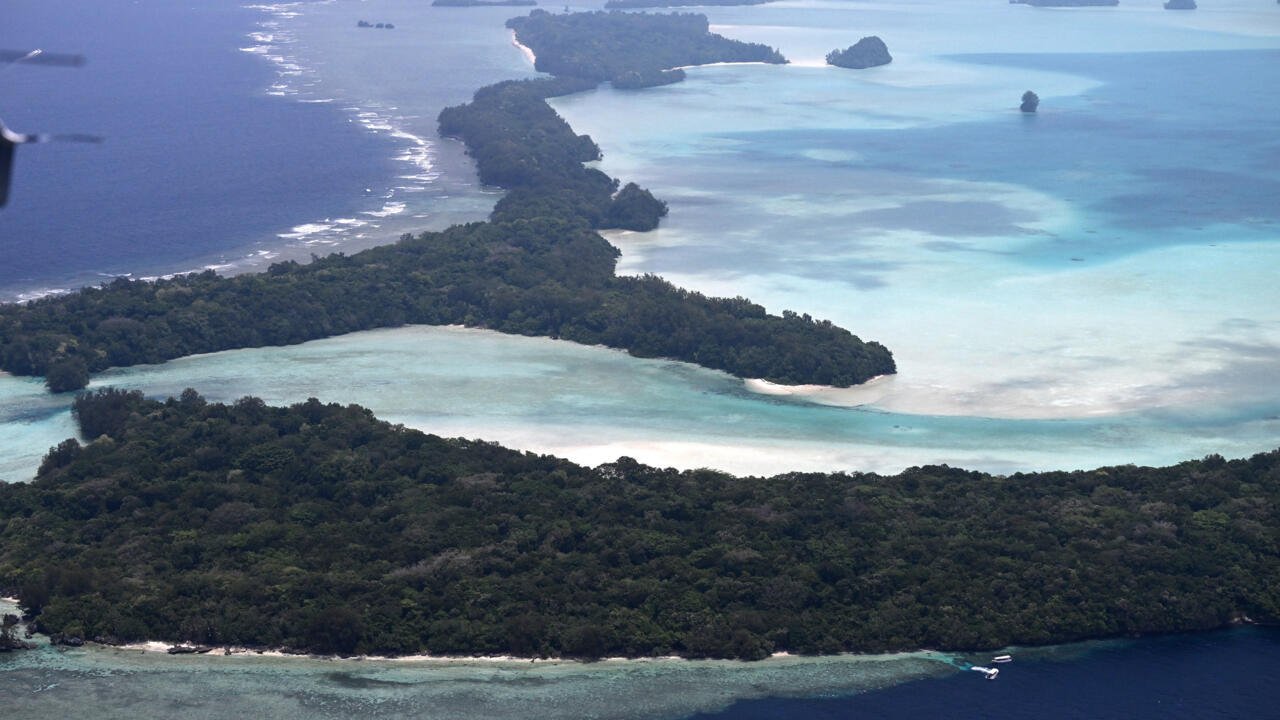
Perhaps the most alarming trend in today’s report is the sustained rise in global ocean temperatures. Scientists are warning that the thermal stress on marine environments has reached critical levels, threatening biodiversity and altering weather patterns far beyond the coastline. These “hot oceans” are no longer a distant theoretical threat; they are actively reshaping the fishing industry, coastal safety, and the global climate regulatory agenda.
As we look toward the coming months, the convergence of these issues—dredging, energy security, and marine heatwaves—underscores the reality that the European economy is inextricably linked to the health of its natural resources. The path forward will require not just policy adjustment, but a fundamental reassessment of how we integrate industrial ambition with the realities of a changing Earth.