







Prosecutor Exposes Irregularities in Budget Planning: ‘Price Came Before the Plan’
In a damning assessment of government fiscal management, Prosecutor Mae Divinagracia has cast a spotlight on the common, yet illicit, practice of reversing the budgetary process to suit predetermined costs.
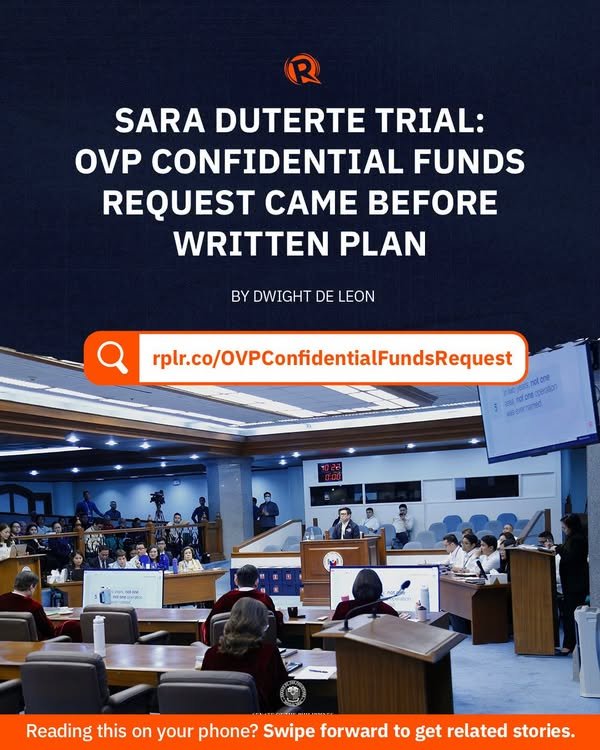
According to Divinagracia, officials often bypass the standard procedure of assessing needs before setting a budget. Instead, they determine the desired price point first and then retroactively construct a “plan” to justify those figures.
“Hindi plano ang nagtakda ng halaga. Ang halaga ang nauna, ‘tsaka [inihabol] ang plano,” (The plan did not determine the cost. The cost came first, and the plan was added afterward), Divinagracia stated, highlighting a fundamental breakdown in transparency and accountability.
This “reverse-engineering” of project costs has long been a point of contention among government auditors and watchdogs. Critics argue that when the price tag is prioritized over the actual requirements of a project, it opens the door to inflated contracts, misallocation of public funds, and a systemic lack of oversight.
The prosecutor’s remarks serve as a stern warning regarding the importance of the budgetary process, which is designed to ensure that taxpayer money is utilized efficiently and based on legitimate necessity. When the order of operations is flipped, it suggests that the project’s objective may not be public service, but rather the fulfillment of a predetermined financial target.
As the government faces continued pressure to modernize and streamline its procurement systems, Divinagracia’s statement reinforces the urgent need for a shift in culture—one that demands rigorous planning and evidence-based cost estimation before a single peso is allocated.