








UN Watchdog Issues Scathing Report on Racial Discrimination and Police Violence in India
GENEVA – A United Nations human rights body has issued a stern call to action for India, urging the world’s most populous nation to take immediate steps to curb systemic violence, extrajudicial killings, and discriminatory practices against its most vulnerable communities.
The UN Committee on the Elimination of Racial Discrimination (CERD) released its findings on Tuesday following a comprehensive review of India’s human rights record—the country’s first appearance before the committee since 2007. The 18-member panel of independent experts expressed “grave concern” over the treatment of Indigenous peoples, tribal groups, and marginalized castes, particularly Dalits.
A Pattern of State-Sanctioned Violence
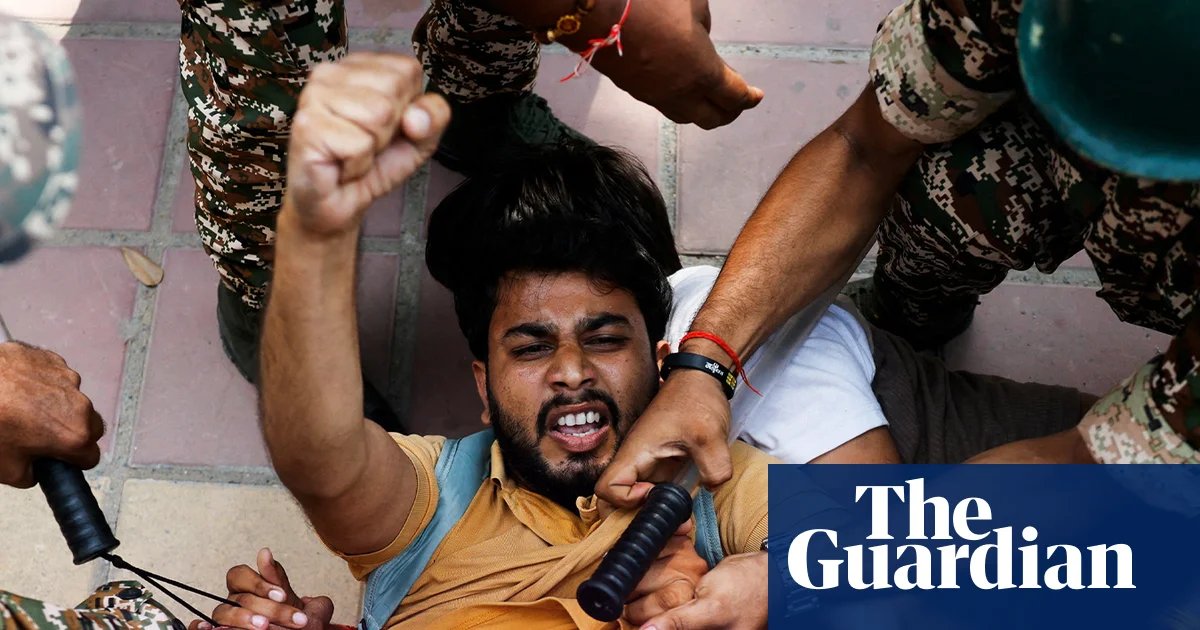
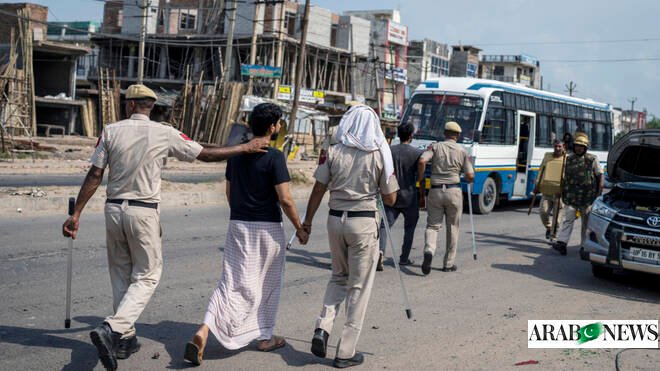
The committee’s report paints a troubling picture of law enforcement conduct, citing credible reports of excessive use of force, arbitrary and prolonged detention, and instances of sexual violence. According to the UN body, these abuses are often ethnically or religiously motivated, creating an environment of fear for Scheduled Tribes and Scheduled Castes.
“The committee was gravely concerned about reports of large-scale violations perpetrated by law enforcement officials against ethnic and ethno-religious groups,” the statement read. The panel urged the Indian government to launch independent, transparent investigations into all allegations of extrajudicial killings and torture to ensure that those responsible are brought to justice.
The Plight of Minorities and Asylum Seekers
Beyond domestic caste-based issues, the CERD highlighted an alarming surge in hostility toward Bengali-speaking Muslims, migrants, and asylum seekers, including Rohingya refugees. The committee noted that racial profiling during police stops and identity checks has become routine, often leading to detention without due process.
Stamatia Stavrinaki, a prominent member of the committee, emphasized that while India possesses a constitutional framework intended to protect its citizens, the “lack of accountability” is a major failing. “If a law exists but is not implemented, hate crimes cannot be effectively combated,” she told a press conference.
The panel further urged New Delhi to halt the collective expulsion of refugees and to take urgent action against the proliferation of hate speech and hate crimes, which the committee argues create a hostile environment for human rights defenders.
Structural Barriers to Equality
Caste remains a deeply entrenched determinant of social status in India, influencing everything from access to education to employment opportunities. The committee suggested that current measures to combat the millennia-old social hierarchy are insufficient.
“For Dalits, it’s important to have indicators showing that segregation was effectively and substantively reduced,” Stavrinaki noted. A recurring theme in the committee’s critique was the absence of clear legislation prohibiting racial discrimination in the private sphere, a gap that experts argue leaves many Indians vulnerable to unchecked prejudice.
India’s Response
During the review, the Indian delegation, led by Solicitor General Tushar Mehta, defended the country’s record, highlighting its commitment to pluralism, diversity, and its robust constitutional safeguards.
In a subsequent statement, India’s diplomatic mission asserted that the country remains dedicated to its “journey toward ensuring equality, dignity and opportunity for all Indians.”
While the recommendations of the CERD are non-binding, they carry significant reputational weight on the international stage. As a signatory to the Convention on the Elimination of All Forms of Racial Discrimination, India is obligated to guarantee equality before the law, a standard that international observers say remains a work in progress.