








FICCI President Raises Concerns Over India-Japan Trade Imbalance, Regulatory Hurdles
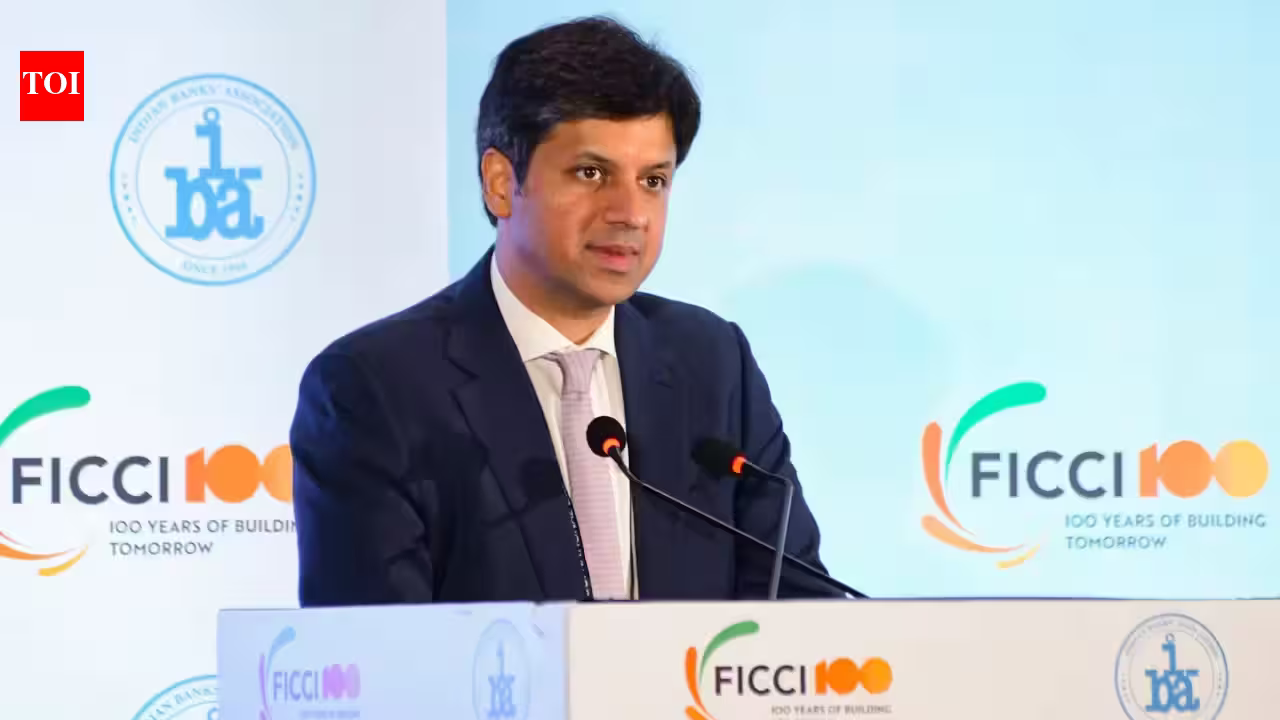
TOKYO — During a recent high-level business engagement, FICCI President Anant Goenka voiced significant concerns from the Indian industry regarding the existing bilateral trade agreement between India and Japan. Goenka noted that the pact has led to a widening trade deficit since its inception, prompting calls for a comprehensive review of the current regulatory and certification frameworks.
Addressing stakeholders in Tokyo, Goenka emphasized that for Indian businesses, the challenge is twofold: navigating complex domestic requirements in Japan and overcoming cultural barriers. He pointed out a noticeable bias in the Japanese market toward domestic brands, which often makes it difficult for foreign entities—particularly those from India—to gain a foothold.
“There is a fair amount of bias towards buying products of Japanese companies within Japan,” Goenka remarked. “That is something where it may take time to solve,” he added, suggesting that a shift in mindset and increased cultural opening will be essential for long-term economic integration.
Regulatory and Pharma Roadblocks
A major point of contention highlighted by the FICCI president is the restrictive nature of Japan’s regulatory environment, particularly for the pharmaceutical sector. Goenka noted that Indian pharma companies face immense difficulties in securing product registrations in Japan, effectively barring them from participating in one of the world’s largest healthcare markets.
“That issue was raised as well; this is a challenge that is there,” Goenka said. “Pharma companies cannot even register their products yet in Japan.”
These remarks follow a recent push by Union Commerce and Industry Minister Piyush Goyal, who urged Japanese steel manufacturers to increase their sourcing from India to help balance the trade dynamics between the two nations.
Strategic Pivots
Beyond the bilateral relationship with Japan, Goenka indicated that Indian industry leaders are shifting their gaze toward emerging markets to diversify their global footprint. He specifically noted that there have been robust discussions regarding an increased strategic focus on Africa.
The move is seen as a necessary response to the growing influence of Chinese enterprises on the African continent, which have historically maintained a strong presence through extensive lending and infrastructure investments. As India seeks to enhance its own global supply chain participation, the focus on Africa represents a strategic effort to reclaim competitive ground and foster South-South cooperation.
Industry experts believe that resolving the trade deal frictions will be critical if the two nations are to reach their full potential as strategic partners in the Indo-Pacific region. For now, the call for more transparent certification processes and equitable market access remains at the forefront of the bilateral agenda.