







Singapore Emerges as Strategic Hub for Chinese Robotics Firms Facing U.S. Trade Curbs
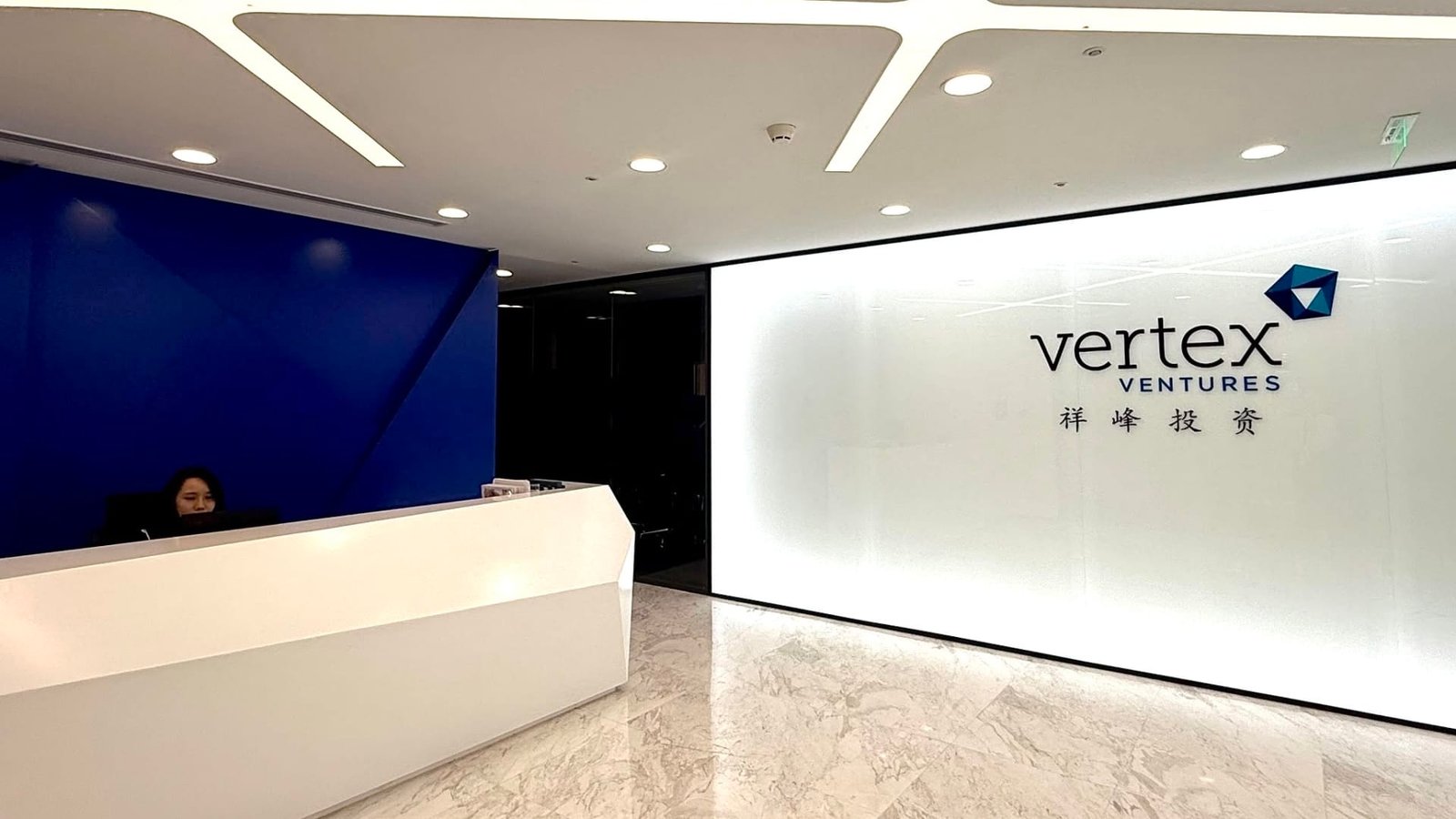
SINGAPORE — As the U.S.-China technology race intensifies, Chinese robotics startups are increasingly looking to Singapore as a viable gateway to maintain access to the American market. Vertex Ventures, a Singapore-based venture firm backed by state investor Temasek, suggests that shifting operational headquarters and supply chains to the city-state could provide a pathway for companies barred by recent U.S. trade restrictions.
In July, the Trump administration implemented a ban on foreign-made humanoid and mobile robots, citing national security concerns. The move struck a blow to the booming Chinese robotics sector, which has been aggressively scaling production.
The “Singapore-Washing” Strategy
Choon Chong Tay, managing partner at Vertex Ventures China, argues that the solution for these firms lies in establishing “substantial content” within Singapore. By anchoring day-to-day operations, talent acquisition, and control of critical components—such as advanced semiconductor chips—within the Singaporean ecosystem, these companies may be able to circumvent the broad-brush exclusion of Chinese-origin goods.
“The economics will ultimately override the politics,” Tay told CNBC. He noted that American businesses and consumers are eager for high-quality, cost-effective robotics, and there is currently no domestic U.S. industry capable of filling the supply vacuum left by the restrictions. “If a Singapore-certified robot is safe and priced right, what other reason do you have to not allow us to export?”
High Stakes for Unitree and Investors
The strategy is particularly relevant for Vertex-backed firms like Unitree Robotics, a leading player in the humanoid sector. Data from Morningstar analyst Kangyuxiao Li indicates that Unitree generates approximately 40% of its revenue overseas, with the U.S. market accounting for 18%. “Losing access could noticeably affect its revenue growth,” Li noted.
Vertex Ventures, which manages nearly $3 billion in assets, has built a portfolio heavily weighted toward “hard-tech.” Beyond Unitree, their investments include autonomous-driving chipmaker Horizon Robotics, logistics firm Geek+, and surgical robotics developer Edge Medical. Tay views “physical intelligence”—the fusion of AI with robotics—as the most critical investment thesis of the next decade, predicting the sector will eventually dwarf the global automotive industry.
A Complex Geopolitical Chessboard
While the U.S. ban represents a major milestone in the decoupling of the two nations’ technology sectors, the situation remains fluid. Analysts warn that the “substantial transformation” rules, which typically define a product’s origin based on where it is manufactured, will face intense scrutiny from U.S. regulators as companies attempt to navigate the new landscape.
Dien Wang, an equity analyst at Bernstein, highlighted that the decoupling could soon extend beyond humanoid robots to include intelligent vehicles and stationary industrial robotics. However, he also pointed to Beijing’s potential counter-leverage: China maintains dominance over the rare earth elements essential for the actuators and motors that power these machines.
“Control of critical chokepoints could ultimately determine who gains the upper hand,” Wang said. As Washington and Beijing continue to lock horns, the humanoid robots industry finds itself at the center of a complex global trade strategy where the line between national security and economic opportunity is increasingly blurred.